Revolution Medicines drug doubles survival in pancreatic cancer trial
An experimental Revolution Medicines pill doubled survival in hard-to-treat pancreatic cancer, a result that could reset second-line care if the safety profile holds.

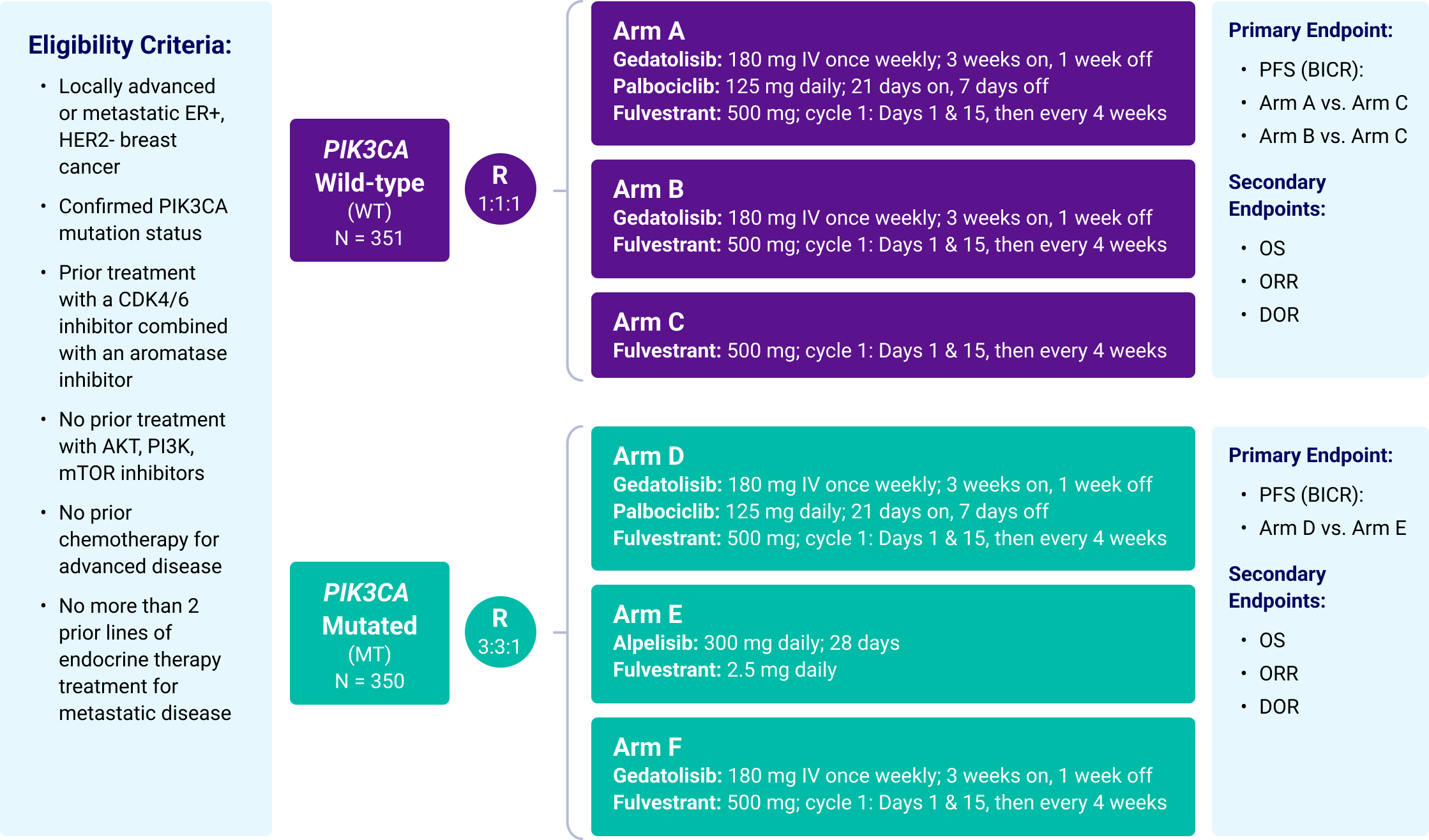
A new pancreatic cancer drug delivered the kind of result this disease rarely sees: in a 500-patient late-stage trial, Revolution Medicines’ daraxonrasib doubled survival versus chemotherapy and cut the overall risk of death by 60 percent. For a cancer where second-line treatment usually buys only months, the finding marks a potential inflection point if it can hold up outside the trial.
The study focused on patients who had already failed one round of chemotherapy, a setting where options are notoriously thin. Daraxonrasib also halted or reversed tumor progression in nearly a third of patients overall, compared with about 10 percent in the chemotherapy group. The drug worked in both RAS-mutant and RAS-wild-type metastatic pancreatic ductal adenocarcinoma, widening the possible pool beyond mutation-selected patients and making the result especially notable for a cancer in which about 95 percent of cases are this aggressive subtype.

The data were presented at the American Society of Clinical Oncology meeting in Chicago, which ran from May 29 to June 2. ASCO described daraxonrasib as the first phase 3 test of a RAS (ON) multi-selective inhibitor in pancreatic cancer, and said the result was compelling because second-line chemotherapy typically delivers only 3 to 4 months of progression-free survival and 6 to 7 months of overall survival. ASCO also estimated that pancreatic cancer accounted for about 3 percent of U.S. cancer diagnoses, with 35,160 men and 32,340 women expected to be diagnosed in 2026.
Brian Wolpin of Dana-Farber Cancer Institute, who led the work, said the results could change the treatment landscape for a disease long defined by incremental gains rather than breakthroughs. Dana-Farber said the phase 3 findings were scheduled for simultaneous publication in The New England Journal of Medicine, and that the U.S. Food and Drug Administration granted expanded access permission on May 1, 2026, for previously treated metastatic pancreatic cancer patients. The institute also pointed to earlier phase 1/2 data in 168 previously treated patients with advanced RAS-mutant disease, where rash, mouth inflammation, nausea and diarrhea were common but the drug was considered well tolerated with supportive medicines.
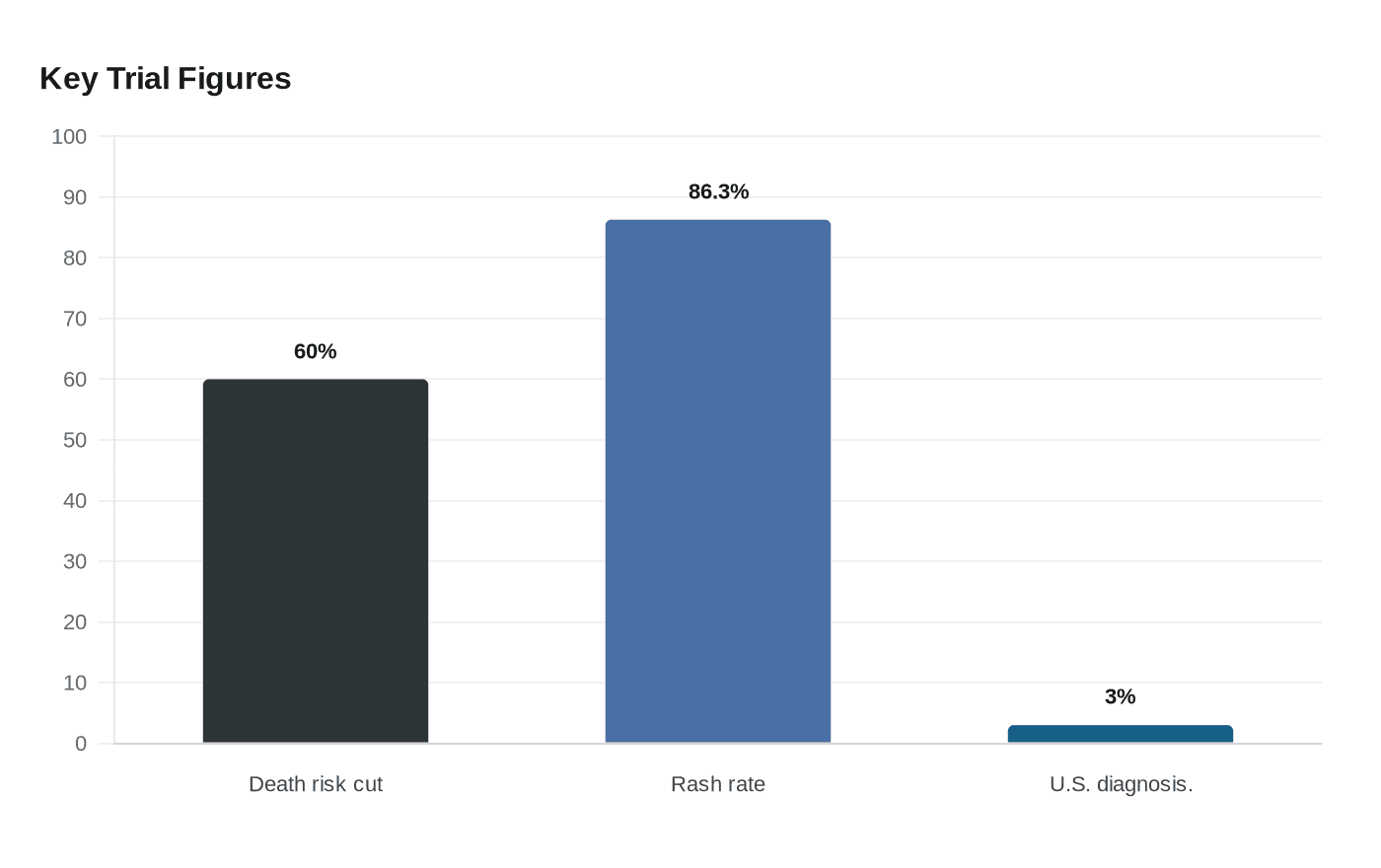
Safety will still shape how quickly the drug can move toward routine use. Rash affected 86.3 percent of patients in the newer trial, though Wolpin said it was generally manageable with antibiotics and topical steroids. Rachna Shroff, an ASCO expert at the University of Arizona Cancer Center, called the data “landscape-changing,” a reaction that captured the mood around a result that, for once, looked larger than the disease’s usual small steps forward.
This article was produced by Prism’s automated news system from verified source data, official records, and press releases, then run through automated quality and moderation checks before publishing. The system is built and supervised by the people who set the standards it runs under. Read our full AI policy.
Know something we missed? Have a correction or additional information?
Submit a Tip