CFTC fines George Santos $35,000 over State of the Union bets
The CFTC said Santos paid to settle Kalshi trades on his own State of the Union attendance, a test of whether event markets can police self-created advantage.

The Commodity Futures Trading Commission fined George Santos $35,000 after he used Kalshi prediction-market contracts to bet on whether he would attend President Donald Trump’s State of the Union address in February. The settlement, announced July 31, turned Santos into a test case for a fast-growing market built on event contracts and the question of whether traders can profit from information they control themselves. Santos had also posted on social media about his possible attendance while placing the wagers.
The CFTC said Santos agreed to settle the case and characterized the trades as suspicious and manipulative, tied to nonpublic information about his own plans. Reporting on the matter said he ultimately made more than $17,500 from the wagers. Additional coverage said the agreement also included a three-year trading ban and a requirement that Santos forfeit the profits.
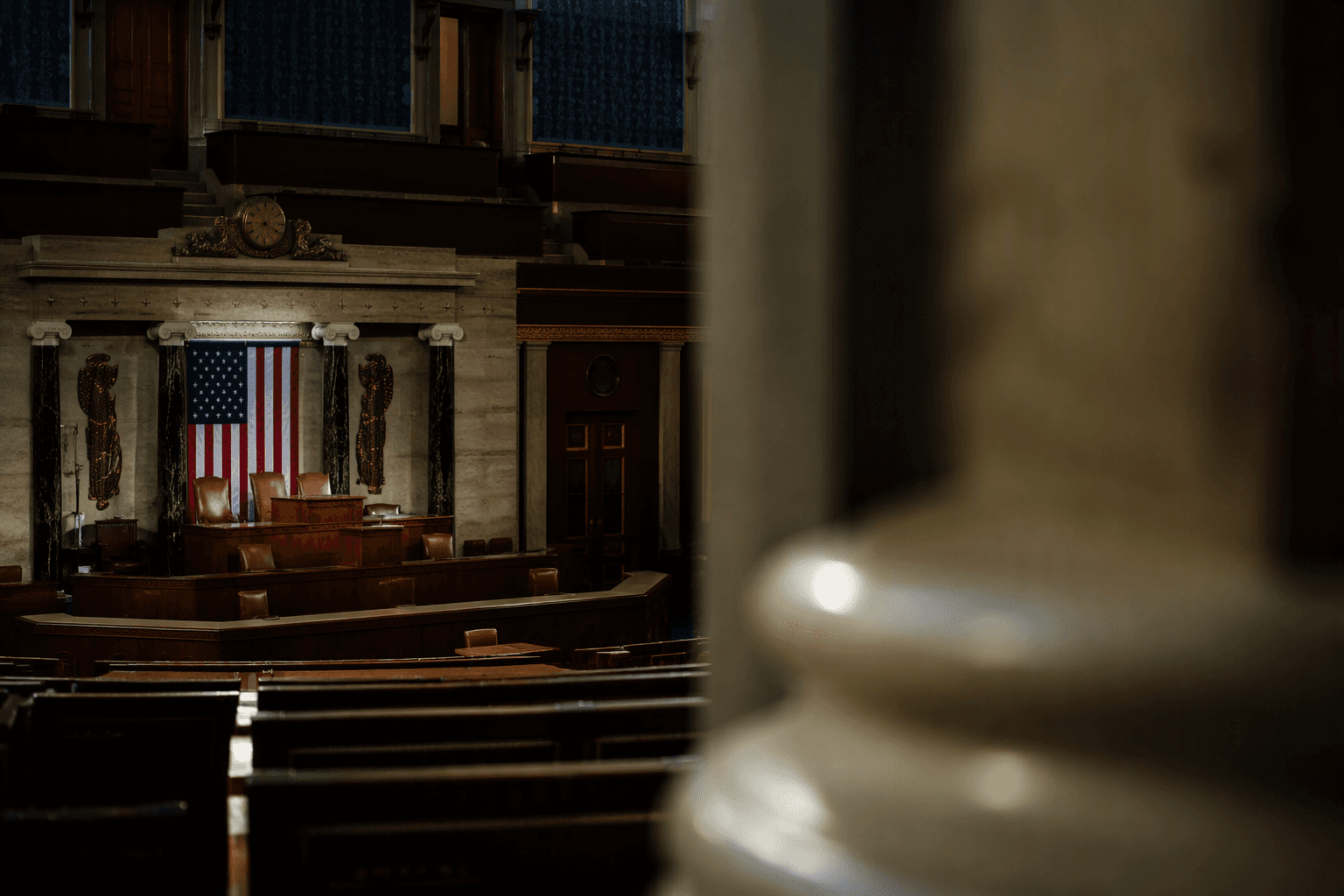
The case grew out of scrutiny that began in June, when federal investigators were said to be examining Santos after Kalshi flagged his trading activity and referred the matter to prosecutors. Kalshi lets users trade event contracts on questions such as whether someone will attend an event, which makes the platform especially vulnerable when the person in question can influence, disclose, or simply know the outcome before the market does. Santos, a former Republican congressman from New York who was expelled from the U.S. House, became an unusual example of that problem because the bet was centered on his own public schedule.
For regulators, the settlement draws a sharper line around political novelty betting and insider advantage. Kalshi and similar platforms have been trying to build legitimacy as venues for forecasting real-world outcomes, but Santos’s case shows how quickly that credibility can be strained when the trader is also the subject of the contract. The CFTC’s action makes clear that event markets will be judged not only on whether they are popular, but on whether they can stop participants from trading on self-created edges.
This article was produced by Prism’s automated news system from verified source data, official records, and press releases, then run through automated quality and moderation checks before publishing. The system is built and supervised by the people who set the standards it runs under. Read our full AI policy.
Did this article answer your question?