Chesapeake Bay Foundation urges Maryland lawmakers to act after sewage spills
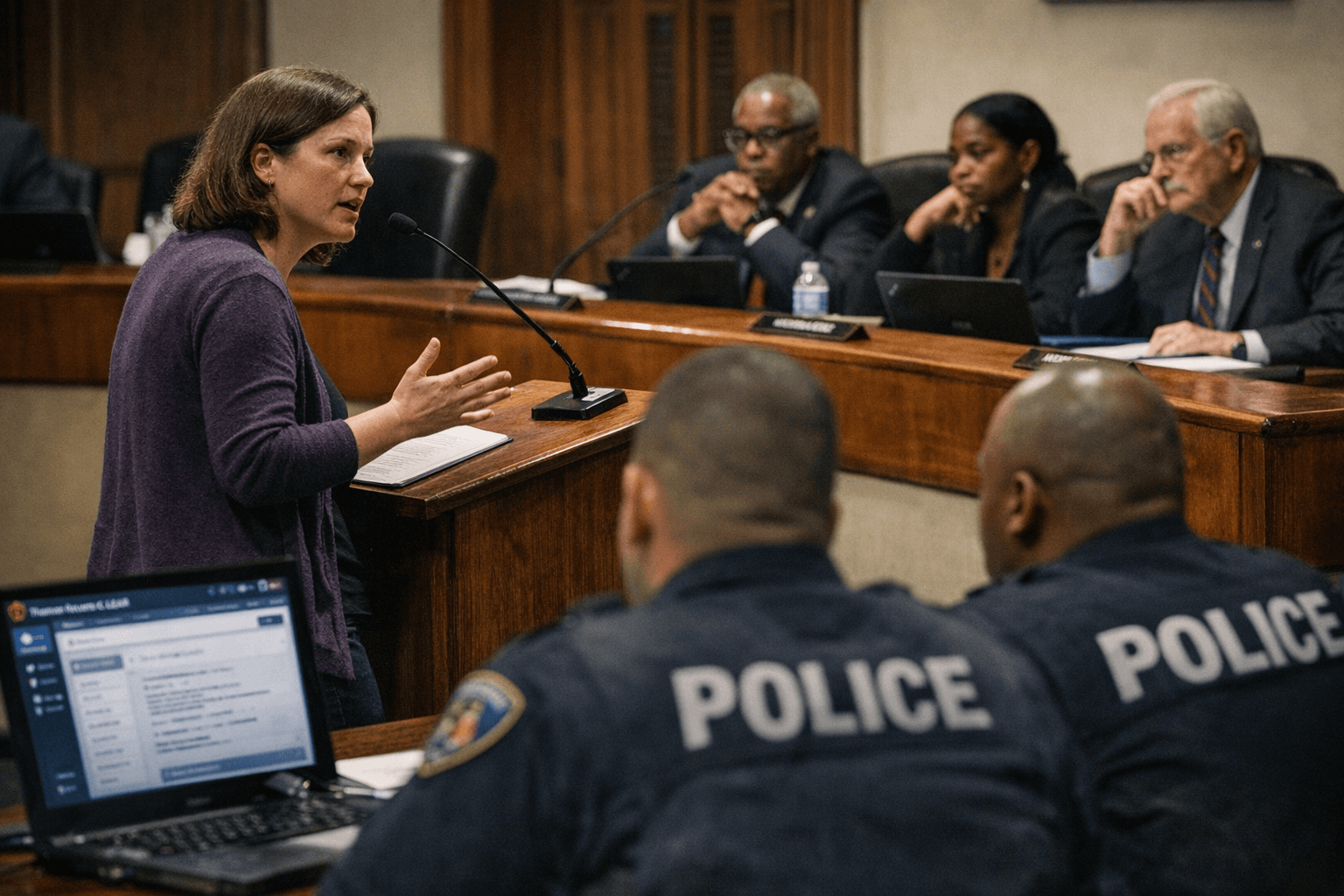
The Chesapeake Bay Foundation’s Maryland chapter called on lawmakers March 3, 2026 to fund wastewater upgrades after a series of winter and early 2026 sewage and stormwater overflows affected Maryland waterways.

The Chesapeake Bay Foundation’s Maryland chapter publicly called for immediate action on March 3, 2026 after a series of wastewater and stormwater overflows affected Maryland waterways earlier that winter and in early 2026, urging state lawmakers to prioritize wastewater infrastructure in next year’s budget. The organization said the overflows and infrastructure stress require both short-term fixes and sustained investment for the long haul.
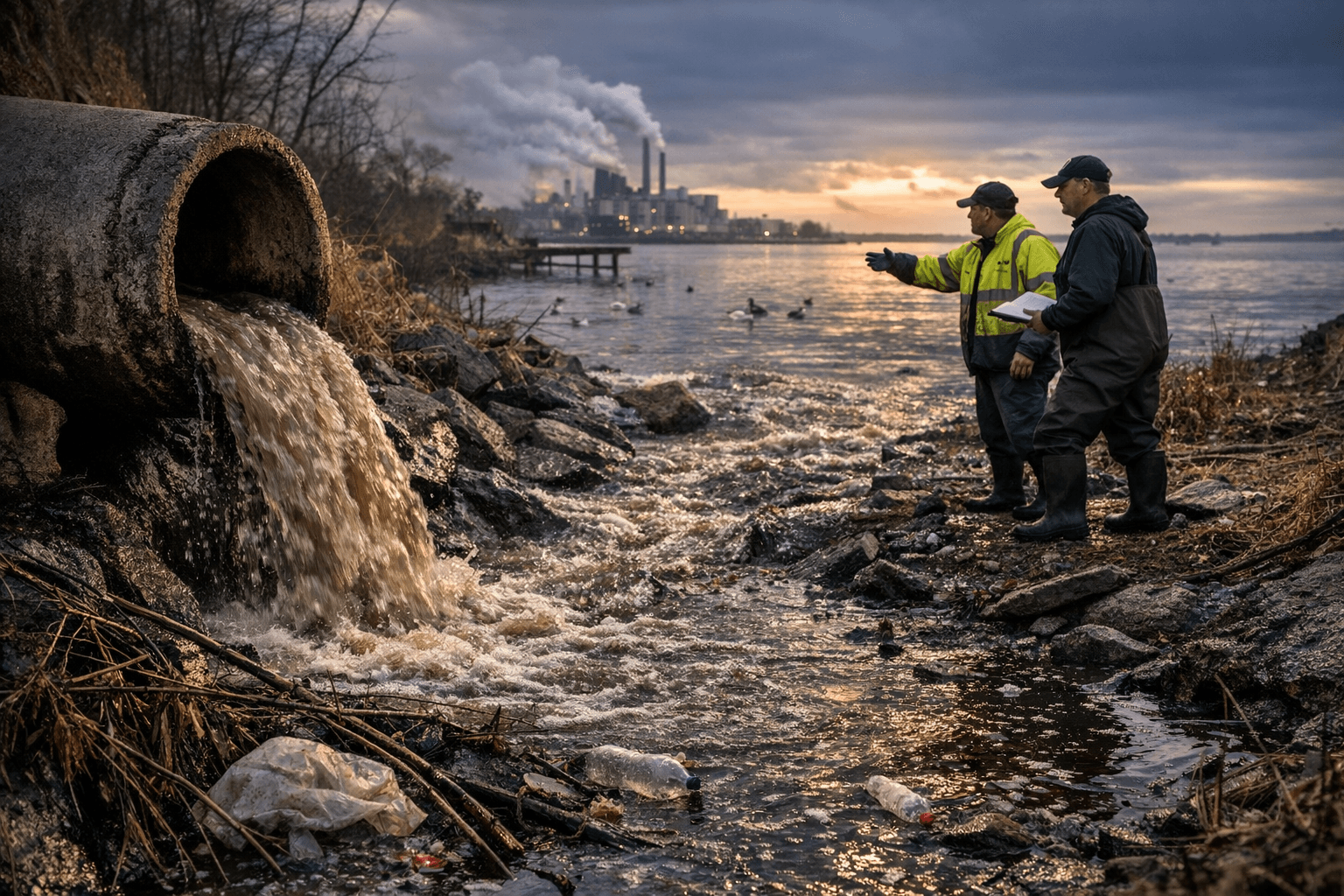
The call came as Maryland legislators work to develop next year’s budget, and the foundation is explicitly pressing them to support wastewater infrastructure upgrades and maintenance for next year and beyond. The foundation pointed to the Bay’s Clean Water Blueprint, implemented in 2009, as the policy framework that produced measurable reductions from wastewater treatment plants but said those gains are undermined by vulnerable conveyance systems that still allow sewage to escape before treatment.
The Bay Restoration Fund has been a key funding source for many wastewater treatment upgrades, the foundation noted, but it is slated for major cutbacks in 2030. That timing, the foundation argues, raises a policy question for lawmakers who must weigh near-term budget decisions against the risk of reduced funding for upgrades later this decade.
The foundation’s public statement did not name specific overflow incidents, counties, utilities, dates, or discharge volumes; it cited only a “series of wastewater and stormwater overflows” affecting Maryland waterways in the referenced period. The lack of named incidents leaves open which jurisdictions would require immediate corrective work and which systems - sanitary sewer collection mains, combined sewer outfalls, or stormwater conveyances - are most at risk.
Policy choices before the General Assembly and the governor this budget cycle will determine whether funding streams are available to address the vulnerabilities the foundation highlighted. With the Bay Restoration Fund’s future funding horizon flagged for 2030 and the Clean Water Blueprint already more than a decade old, the foundation framed the issue as one of durability: maintaining treatment plant gains while investing in the pipes and infrastructure that deliver sewage to those plants.
Absent specific spill reports or agency responses in the foundation’s public call, the next steps for oversight and accountability will rest with state regulators and legislators to produce incident-level data, budget proposals, and a timeline for upgrades. The foundation’s March 3, 2026 demand places those policy and budget decisions at the center of whether Maryland’s waterways will see sustained protection in the years ahead.
Sources:
Know something we missed? Have a correction or additional information?
Submit a Tip