Chevron CEO warns Iran conflict could raise fuel costs, disrupt travel
Chevron’s chief said jet fuel pressures could make flights scarcer and pricier within weeks as the Iran conflict rattled oil markets.
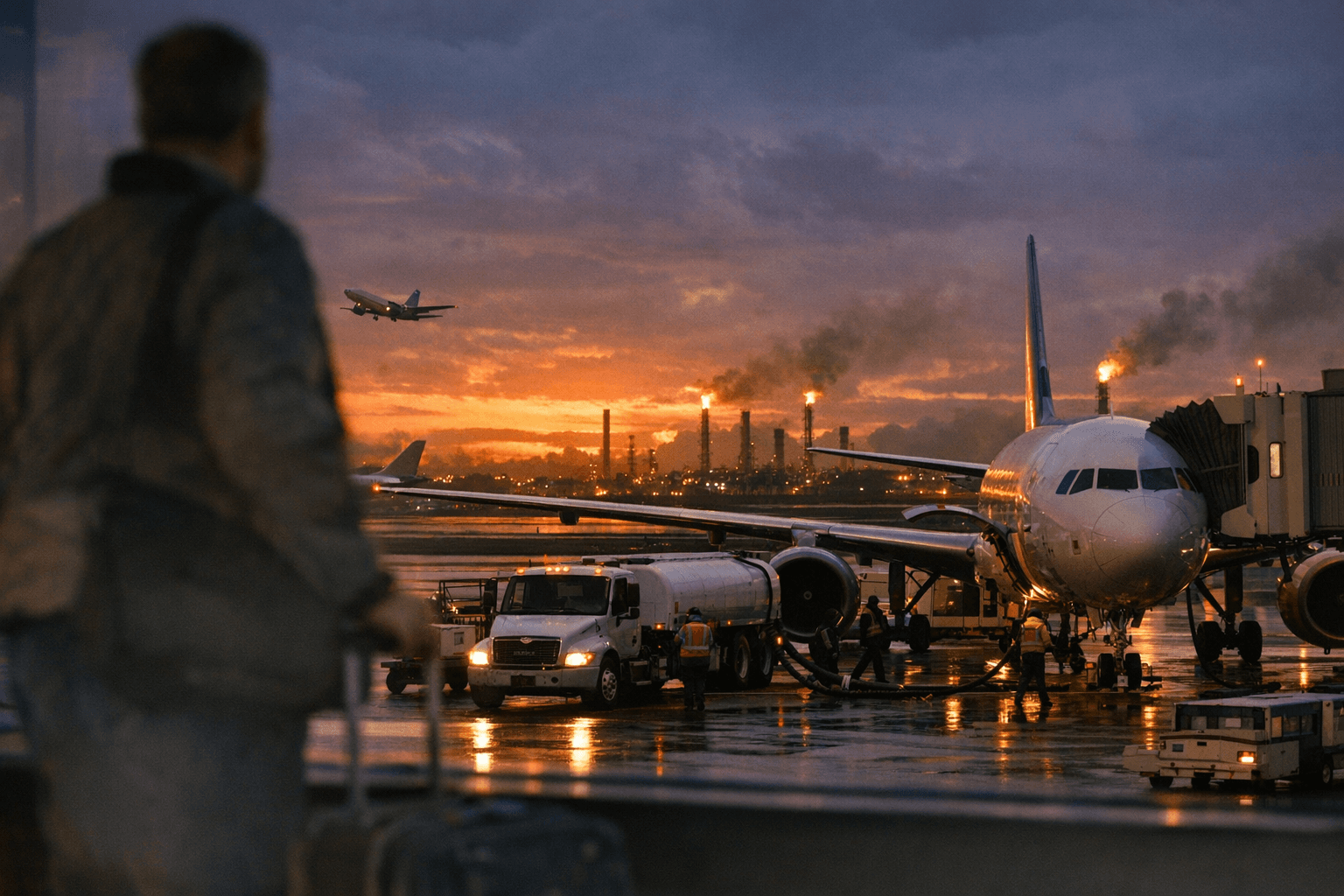
Chevron chief executive Mike Wirth warned that the Iran conflict could quickly reach travelers’ wallets, saying aviation is likely to “get worse over the next few weeks” as jet fuel pressures build. In the interview aired on Face the Nation with Margaret Brennan, Wirth said passengers may face fewer flights, fuller planes and higher fares, a blunt assessment of how a Middle East supply shock can move from crude markets into ticket prices.
The warning landed as global energy markets were already under strain. The war involving Iran and the disruption of the Strait of Hormuz have been described as the biggest oil supply disruption on record by daily output lost, a reminder that the crisis is not just about headline crude prices but about the flow of fuel that keeps airlines, refiners and travelers moving. Chevron’s message to policymakers and consumers is clear: a geopolitical shock in one waterway can ripple through gasoline, aviation fuel, flight schedules and summer travel plans.
The pressure is not limited to the United States. A looming jet fuel shortage in Europe and Asia could compound the disruption if shipping through the Strait remains blocked, according to recent market reporting. In Brussels, the European Union is weighing guidance to cut dependence on Middle Eastern jet fuel and increase imports from the United States, an acknowledgment that even partial rerouting of supply chains may be needed if the crisis lasts.
For airline passengers, the immediate risk is straightforward. Jet fuel is one of the biggest operating costs for carriers, so shortages or higher prices can force airlines to trim capacity or raise fares. That is the economic channel Wirth was pointing to: when fuel tightens, airlines often protect margins before they protect demand. The result can be less abundant service and a more expensive summer travel season.
The broader policy question is whether Western economies are now more vulnerable to energy bottlenecks than they were before the latest fighting. Chevron’s chief is urging attention to that risk, but the market test is harsher. If the Strait of Hormuz stays constrained, and if Europe and Asia scramble for alternative jet fuel supplies, the costs of that disruption will not stay confined to oil traders. They will show up in airports, on itineraries and in the final price of a seat.
This article was produced by Prism’s automated news system from verified source data, official records, and press releases, then run through automated quality and moderation checks before publishing. The system is built and supervised by the people who set the standards it runs under. Read our full AI policy.
Did this article answer your question?

