Stellantis gives Peugeot China reset with Dongfeng-built models due in 2027
Peugeot is returning to China with Dongfeng-built cars due in 2027, a sharp sign of how far Western automakers now depend on Chinese technology to compete.
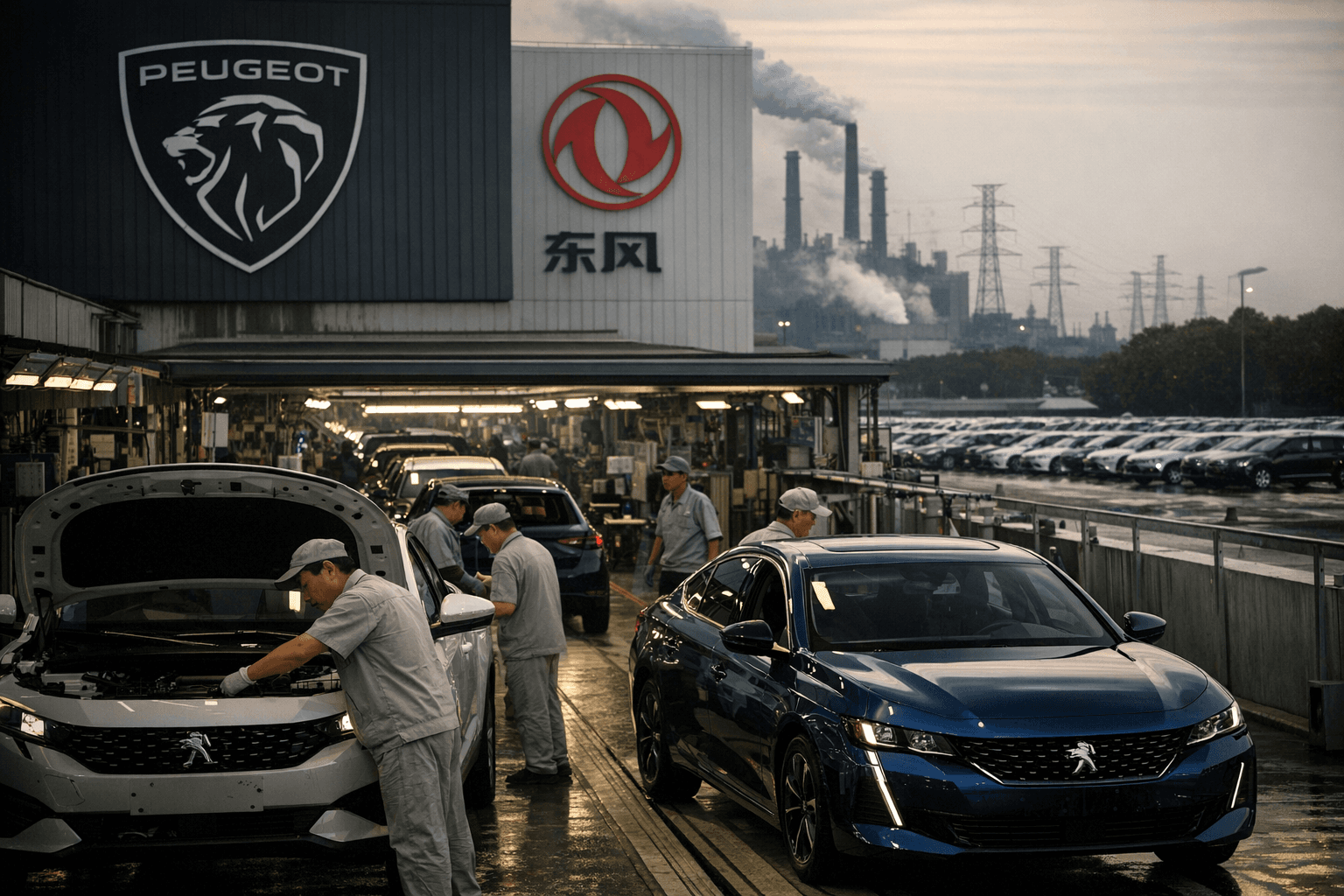
Peugeot is trying to rebuild its China business with help from the very industrial base that once helped it expand there. Stellantis said the brand will begin producing vehicles in China using Dongfeng technology for both the domestic market and exports, with the first new model due in 2027 and manufacturing centered at Dongfeng’s Wuhan plant.
The reset was framed around Peugeot’s return to the Beijing International Auto Show, where the brand showed Concept 6 and Concept 8 and presented itself as moving faster toward electric and intelligent mobility. The cars previewed in Beijing are expected to be co-developed with Dongfeng, signaling that Peugeot is no longer betting on China as just a sales market. It is treating China as a source of engineering, production speed and supply-chain muscle.
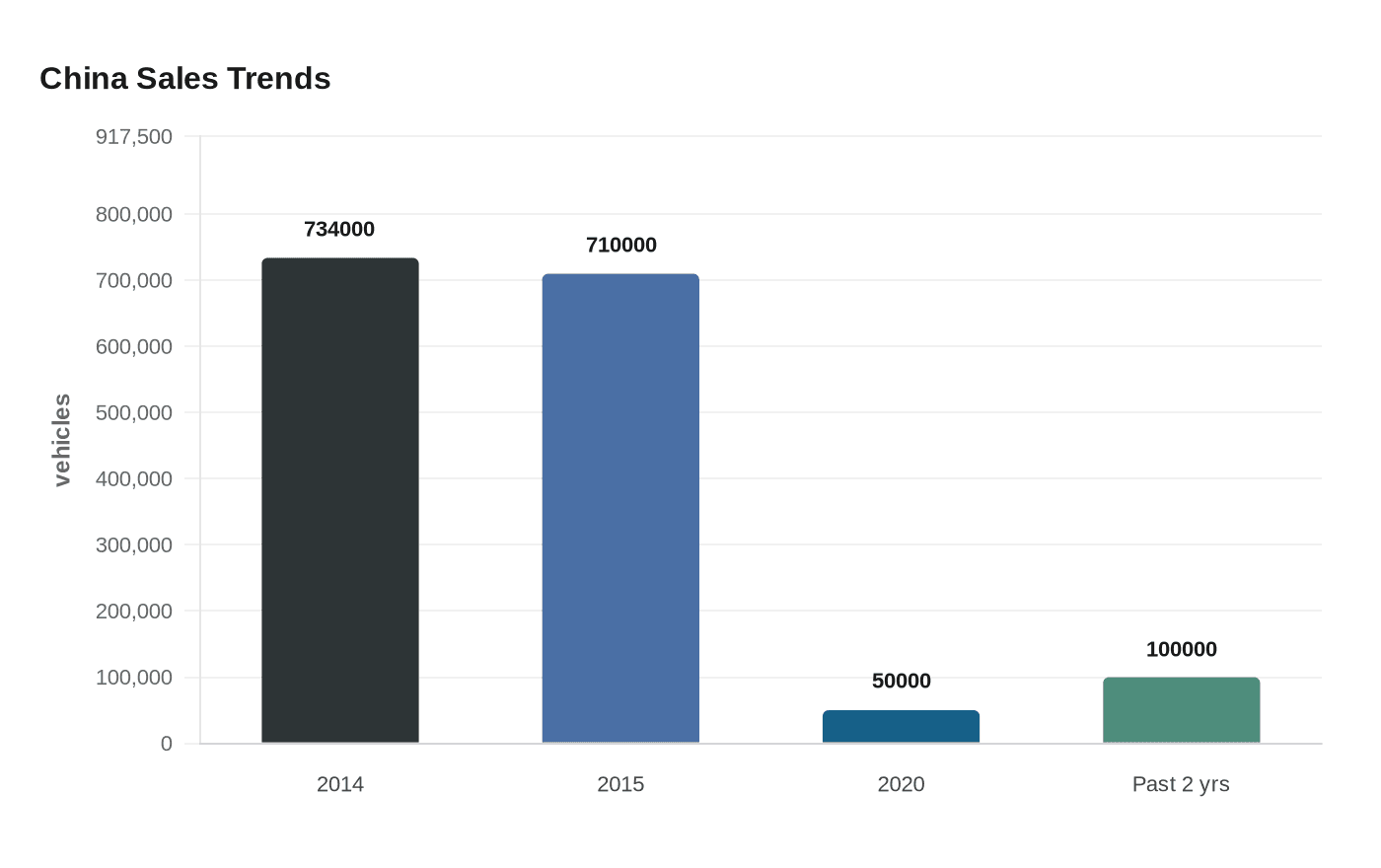
That marks a striking shift for one of Europe’s oldest nameplates. PSA Group’s China sales peaked at 734,000 vehicles in 2014, and Dongfeng Peugeot-Citroën Automobile, the joint venture between PSA and Dongfeng, sold a record 710,000 cars in 2015. The slide that followed was steep: sales fell to about 50,000 in 2020 before recovering to around 100,000 over the past two years. DPCA shut its first Wuhan factory in 2021 and later sold another Wuhan plant to Dongfeng Honda Automobile, underscoring how much of its China footprint had gone unused.
Peugeot’s new plan shows how much the global auto industry has changed since that peak. Western brands are increasingly leaning on Chinese partners not just for market access, but for platforms, components and the speed needed to keep pace in electric and hybrid vehicles, where price competition is brutal and domestic rivals set the pace. Even as governments in Europe and the United States talk about de-risking and pushing tariffs or industrial protection, Peugeot’s move suggests the competitive reality is different: legacy automakers may need Chinese technology to stay relevant.
The new China strategy also fits within a wider Stellantis search for local allies. The company has been reported to be exploring additional partnerships with Chinese groups including Leapmotor and CATL, pointing to a broader effort to anchor future products in China’s industrial ecosystem. For Peugeot, the message from Beijing was clear: the road back in China runs through Wuhan, and the next chapter of the brand’s comeback will be written with Dongfeng.
This article was produced by Prism’s automated news system from verified source data, official records, and press releases, then run through automated quality and moderation checks before publishing. The system is built and supervised by the people who set the standards it runs under. Read our full AI policy.
Did this article answer your question?

