Chevron's Wheatstone Gas Facility Hit by Cyclone Damage, Delaying Restart
Cyclone Narelle knocked two-thirds of WA's gas supply offline, slamming already-strained global LNG markets reeling from the Strait of Hormuz closure and Qatar's shutdown.
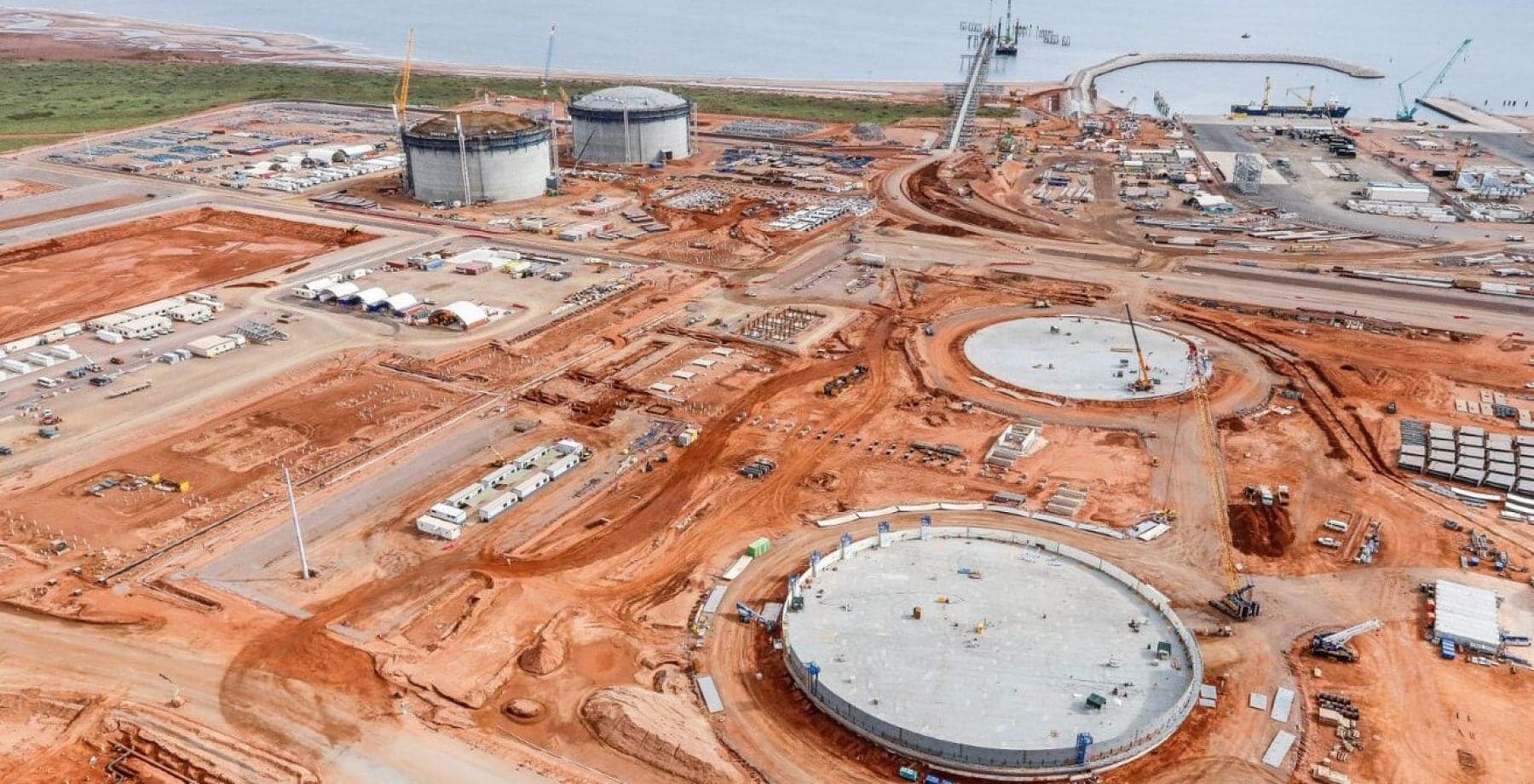
Three of the world's most consequential LNG disruptions are now compounding simultaneously. Qatar, the world's largest LNG producer, has shut down production this month because of the war against Iran. The Strait of Hormuz is effectively closed. And last Thursday, ex-Tropical Cyclone Narelle drove 159-kilometre-per-hour gusts across Barrow Island, knocking Chevron's Wheatstone offshore platform offline and disabling one of three LNG production trains at the Gorgon facility, leaving four Australian gas projects supplying about two-thirds of Western Australia's gas output suspended.
Chevron said severe weather from Narelle's passing "likely caused the interruptions to both Gorgon and Wheatstone operations." The Wheatstone Platform, roughly 225 kilometres off Western Australia's coast, went dark around noon AWST on Thursday, March 26, cutting feed gas to the Wheatstone LNG plant at Ashburton North, near Onslow, and suspending both LNG and domestic gas production. At Gorgon's Barrow Island facility, about 50 kilometres offshore, one production train shut down around 3 pm AWST in an outage that lasted three hours; the remaining two trains and the domestic gas facility there continued operating.
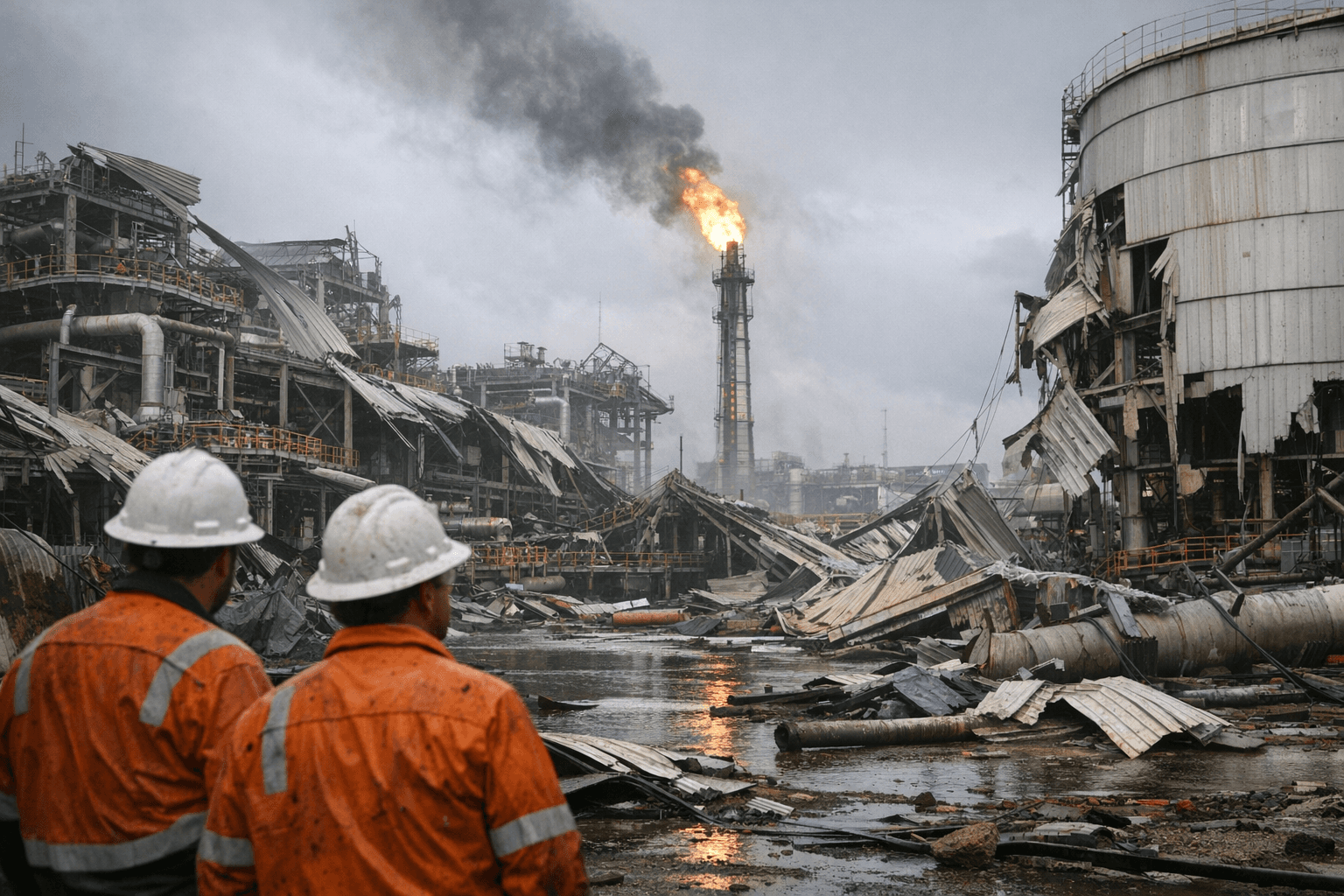
Chevron had moved staff out before landfall. "As is customary during significant weather events, all staff were demobilised before the cyclone passed, and the Wheatstone Platform has been operated remotely since Tuesday afternoon from our Perth office," a Chevron Australia spokesperson said. The company pledged to resume production "once it is safe" at both sites but has offered no timeline and provided no detail on the extent of physical damage at the Wheatstone Platform, a gap that matters operationally: a structural repair is a fundamentally different proposition from a weather-related suspension, with force majeure implications for cargo deliveries hanging on the distinction.
The four offline projects form the backbone of WA's gas supply. Woodside's Karratha Gas Plant, which processes output from the North West Shelf project, suffered a separate "production interruption," with the company saying it would not restart until it could mobilise its workforce back to offshore facilities. Woodside added it would declare any "material impact" to the market. Santos' Varanus Island operations were also hit. Together, Woodside's Karratha, Chevron's Wheatstone and Gorgon, and Santos' Varanus Island account for those two-thirds of WA's gas that remain offline.
Australian LNG from facilities like Wheatstone has historically offered Asian buyers a counterweight to Middle Eastern supply. With Qatar offline and Hormuz disrupted, spot LNG markets from Tokyo Bay to Rotterdam were already tightening before Narelle made landfall. A prolonged Australian outage removes one of the few remaining alternative supply pillars, pushing price pressure westward from Asia into European markets that have been leaning on LNG imports to offset reduced Russian pipeline volumes.
The stress is already visible in adjacent markets. China's coal-to-chemicals stocks have risen by up to 30 percent since the Iran conflict began. Goldman Sachs warned Tuesday that disruptions to nitrogen fertilizer supply via the Strait of Hormuz could accelerate grain price inflation. Equinor chief executive Anders Opedal said this week that the European Union is unlikely to increase Russian gas imports, closing off that substitution route for European buyers.
Narelle has since been downgraded to a tropical low, but Chevron has yet to say which specific units at Wheatstone sustained damage, what parts are needed, or when full production can realistically restart. Until that assessment is published, every LNG buyer with Asian or European exposure will be watching the Pilbara closely.
Know something we missed? Have a correction or additional information?
Submit a Tip