Chevy Silverado EV shows promise, but still trails rivals
Chevy’s electric pickup now has the range and muscle to compete, but price, size and a nontraditional identity still keep truck buyers cautious. Sales are rising, yet Ford and Tesla stay ahead.

Chevrolet wrapped the Silverado EV in American manufacturing credentials, but truck buyers have not treated that as a substitute for price, range confidence or familiarity. Built at GM’s Factory Zero in Detroit-Hamtramck and backed by a $4 billion U.S. plant-investment plan, the electric pickup is a serious piece of hardware. The trouble is that its strongest pitch still looks more like a proof of concept than a truck people buy in volume.
A truck built to prove a point
GM has tied the Silverado EV to a much larger industrial bet, saying it will invest about $4 billion over two years in its domestic manufacturing plants and gain the ability to assemble more than two million vehicles a year in the U.S. Factory Zero is the centerpiece of that strategy. The Detroit-Hamtramck plant is a fully dedicated EV facility that also builds the GMC Hummer EV and Cadillac Escalade IQ, which gives the Silverado EV real manufacturing scale even before sales catch up.
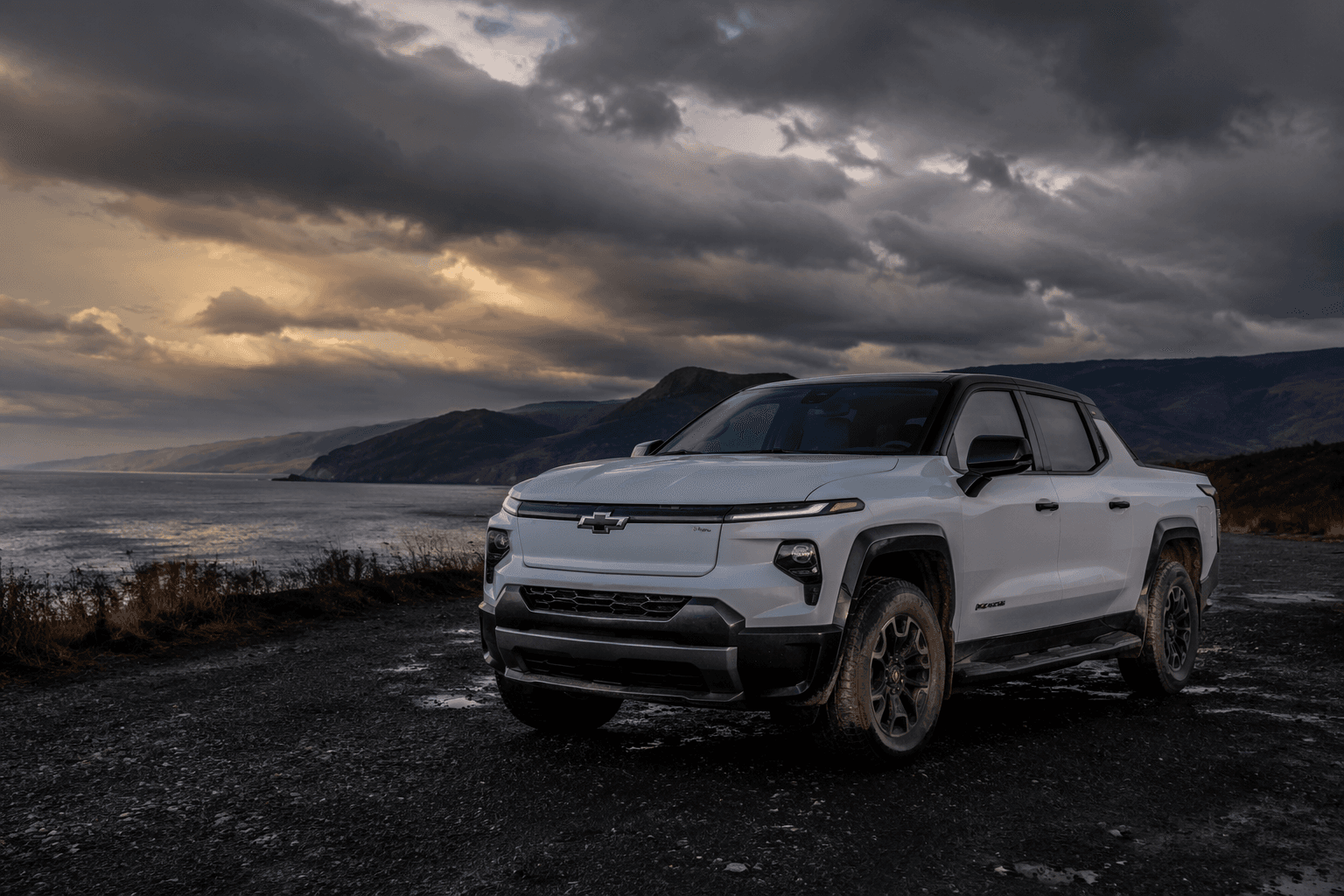
The launch itself arrived late relative to the competition. The 2024 Silverado EV RST First Edition did not start production until May 2024, and deliveries began in the first half of that year after earlier delays. Its starting price of $96,395 after destination, though lower than the original estimate of about $105,000, still put it deep into luxury-truck territory and left the model looking more like a showcase than a mass-market workhorse.
Price has been the first wall
That early pricing helped define the Silverado EV’s problem. Even as Chevrolet expanded the lineup for model year 2025, the cheaper versions still sat well above the typical full-size pickup buyer’s comfort zone. Chevrolet said the 2025 Silverado EV WT started at $57,095 and the LT at $75,195, which marked progress but did not make the truck truly accessible.
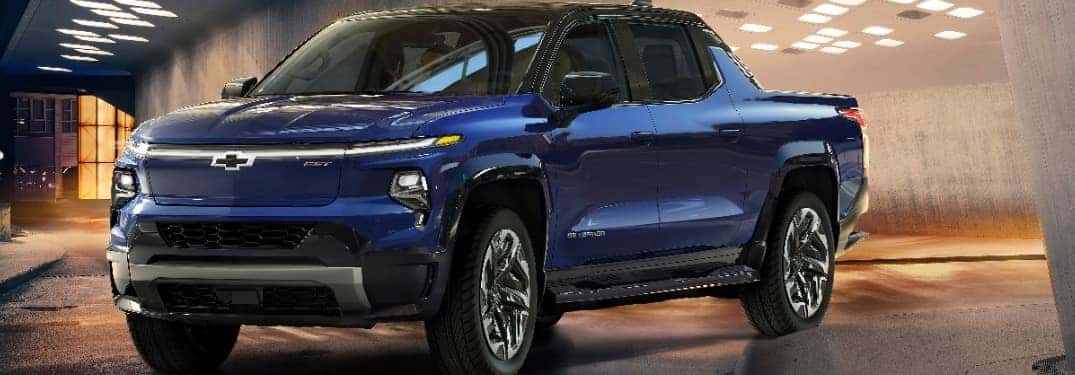
By 2026, the range of trims broadened again. Independent pricing guides listed the WT from $52,800, the LT from $60,900 and the Trail Boss at $70,000, while Chevrolet’s own materials pushed the message of higher capability and a more usable lineup. That shift matters because the Silverado EV cannot win over mainstream truck shoppers if it remains defined by expensive first editions and limited trim choice. The truck now has a wider price ladder, but it is still competing in a segment where buyers are famously sensitive to monthly payments and resale value.
The capability numbers are finally persuasive
The Silverado EV’s strongest argument is no longer novelty, it is specification. Chevrolet advertises the 2026 WT with up to 493 miles of EPA-estimated range, 10,500 pounds of max towing and 1,400 pounds of max payload. Those are the kinds of figures that can change the conversation, especially for buyers who assumed an electric pickup could not handle real truck work.
Even so, towing and range need to be read together. A pickup buyer does not just want a large battery, they want confidence that the truck can tow without draining range too quickly, charge conveniently, and still feel like a tool rather than a science project. The Silverado EV has improved on all of those fronts, but the market is still asking whether those numbers are enough to overcome the inconvenience and uncertainty that come with a large battery-electric truck.
Sales are growing, but rivals still set the pace
The sales pattern shows steady improvement without a breakthrough. In the first quarter of 2025, Silverado EV U.S. sales totaled 2,383 units, compared with 7,187 Ford F-150 Lightnings and 9,000 Tesla Cybertrucks. GM’s Silverado EV and Sierra EV together reached 3,632 units in that quarter, which still left the company well behind the two best-known names in the segment.
The second quarter brought a better result, with Silverado EV sales rising to 3,056 units. That was a meaningful gain, but the Ford F-150 Lightning still sold 5,842 and the Cybertruck 4,306 in the same period. By the third quarter, Silverado EV sales climbed again to 3,940 units, yet Ford’s Lightning hit 10,005 and Tesla’s Cybertruck sold 7,100. The trend line is positive, but the gap remains wide enough to matter for volume planning, plant utilization and supplier forecasts.
What the Silverado EV says about the market
GM’s own broader truck business makes the tension easier to see. In its Jan. 5, 2026 sales release, the company said the Chevrolet Silverado and GMC Sierra recorded their best combined sales in 20 years. That is a reminder that the gas-powered pickup business still provides the profits, loyalty and scale that EV trucks have not yet matched.
The Silverado EV also exposes how narrow the current EV pickup audience still is. Early reviews praised its long range and strong performance, but they also pointed to the expensive first editions, the limited trim mix and a design that does not look or feel especially traditional. For many truck buyers, those are not minor styling complaints. They are signals about buyer identity, and the identity problem matters because pickup purchases often reflect habit, status and work-use expectations as much as they do engineering specs.
The larger issue is mainstream EV adoption in the U.S. A truck like the Silverado EV has to clear more hurdles than a commuter EV: sticker price, charging habits, towing confidence, size, and the question of whether the vehicle still feels like a truck at all. Chevrolet has made the Silverado EV much more convincing than it was at launch, but the market is still deciding whether a technically impressive electric pickup can become an ordinary one.
This article was produced by Prism’s automated news system from verified source data, official records, and press releases, then run through automated quality and moderation checks before publishing. The system is built and supervised by the people who set the standards it runs under. Read our full AI policy.
Did this article answer your question?