Madison Square Garden event rentals can cost far more than rent
Madison Square Garden’s sticker price is only the starting point. Permits, insurance, police, and city agency reviews can push a private takeover into seven figures.
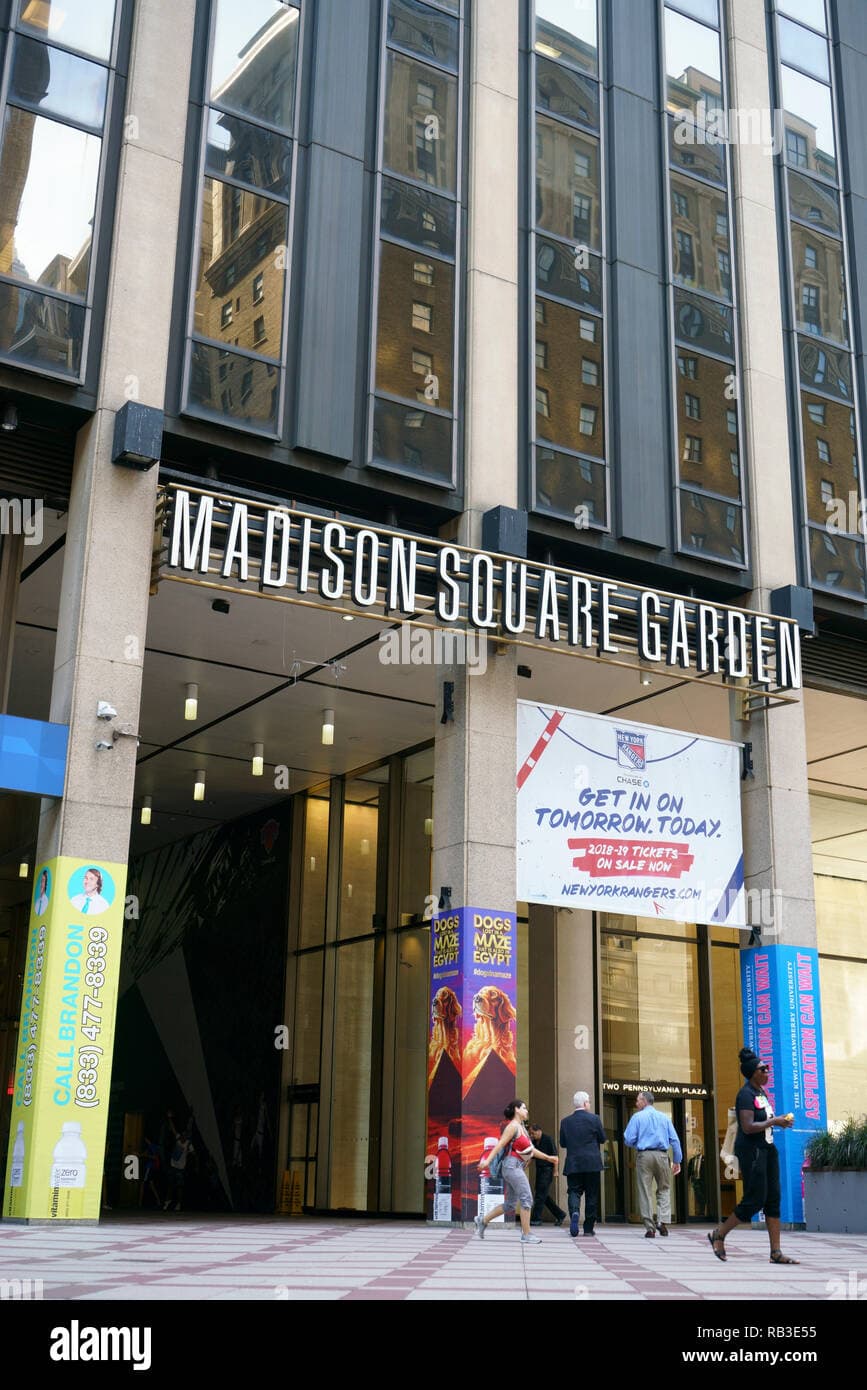
Madison Square Garden can hold 19,500 people before production kills, but taking over the arena in Midtown Manhattan quickly grows into a much larger public and private bill. The space is marketed for private parties, corporate events, graduations, film and TV shoots, fashion shows and press conferences. In America’s biggest cities, major-event pricing runs far beyond the room itself.
The room is only the first line item
The current Madison Square Garden opened on February 11, 1968, above the site of the demolished Pennsylvania Station. That demolition became a flashpoint in New York history and helped spur the city’s historic-preservation movement. It is also the fourth venue to use the Madison Square Garden name, and MSG says the arena completed a three-year, top-to-bottom transformation in October 2013.
The Garden sits at the center of one of the most expensive event environments in the country. A venue that size can generate enormous revenue, but the rent is still only one piece of the budget. The larger the event, the more the organizer has to budget for staffing, production, insurance, permits, and the public-safety support that comes with moving tens of thousands of people through Midtown Manhattan.
Permits add a separate layer of cost
New York City’s event-permitting system is built as a multi-agency process, not a single approval. Applications may involve the New York Police Department, the Department of Buildings, the Fire Department, the Department of Environmental Protection, the Department of Health and Mental Hygiene, the Department of Transportation and other agencies. That means an organizer is not simply booking a room; it is asking multiple parts of city government to sign off on the event’s safety, logistics and operations.
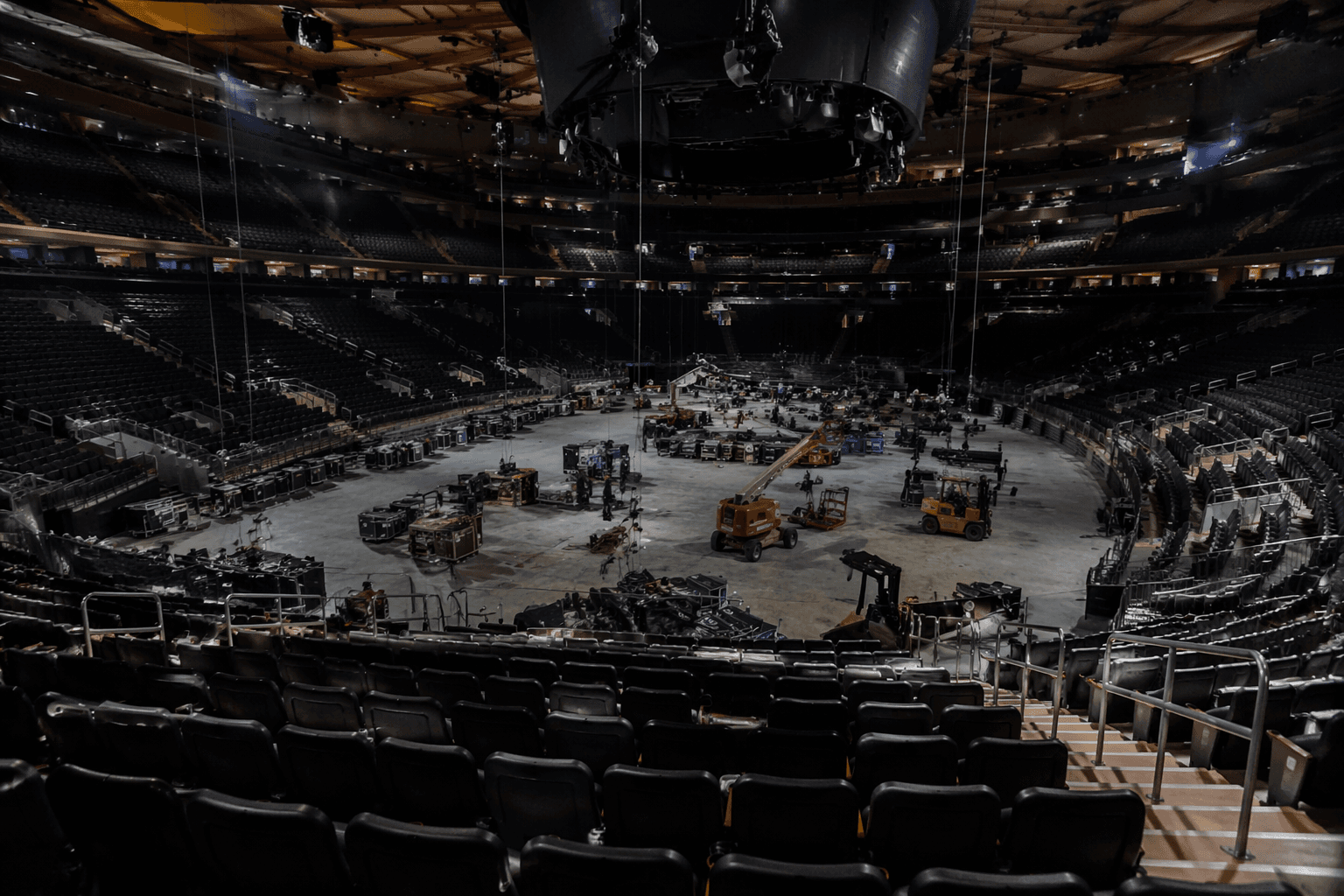
The Mayor’s Office of Citywide Event Coordination and Management requires a $25 non-refundable processing fee for SAPO and CECM applications. Approval is not issued until supporting permits, insurance and any assessment fees are in place. In practical terms, the organizer carries the direct costs of paperwork, compliance and underwriting before a crowd ever enters the building.
Some events in parks with more than 20 attendees require a special-event permit, and certain event types can also require an NYPD parade permit, amplified-sound permits, generator certificates and related approvals.
Security and police are not optional extras
At a place like Madison Square Garden, security is not a background expense. Large public events can require additional police presence, crowd-control planning and traffic management around the arena, especially when the event is politically charged or attracts unusually large attention. The permit structure pulls in the NYPD and DOT, treating the event as a public-order and street-management issue, not just a private lease.
Organizers pay the venue rent, permit fees, insurance costs and any assessment fees tied to approvals. But the broader public burden, including police deployment, traffic management and the ripple effects on streets and transit around the arena, is borne through city systems whether or not it appears on the event invoice.
The October 2024 rally shows how fast the bill rises
The most visible recent example came from Donald Trump’s October 27, 2024 rally at Madison Square Garden. The rally carried a rent figure of about $1 million, which alone would put the arena among the most expensive single-event venues in the country. Campaign Legal Center later alleged that two super PACs collectively paid more than $1 million for the rally.
Even before adding insurance, permits, security staffing, staging and public-safety coordination, the room itself can cost seven figures. Once the city’s approval layers and operational needs are included, the total cost of staging a major event in New York can climb much higher than the headline rental number suggests.
How to think about the real cost
A Madison Square Garden event budget should be read in layers:
- Venue rent for the arena itself.
- Production costs tied to the stage, floor plan and setup.
- Insurance required for approvals and venue use.
- Permit fees and assessment fees.
- Security, including private security and city police support.
- Traffic and street-management costs around Midtown Manhattan.
- Crowd-control and agency coordination costs.
This article was produced by Prism’s automated news system from verified source data, official records, and press releases, then run through automated quality and moderation checks before publishing. The system is built and supervised by the people who set the standards it runs under. Read our full AI policy.
Did this article answer your question?