Children Fight for Justice After Mother Vanishes With No Body Found
Dee Warner's children refused to accept that their mother's killer could walk free simply because no body existed. A Michigan jury agreed.
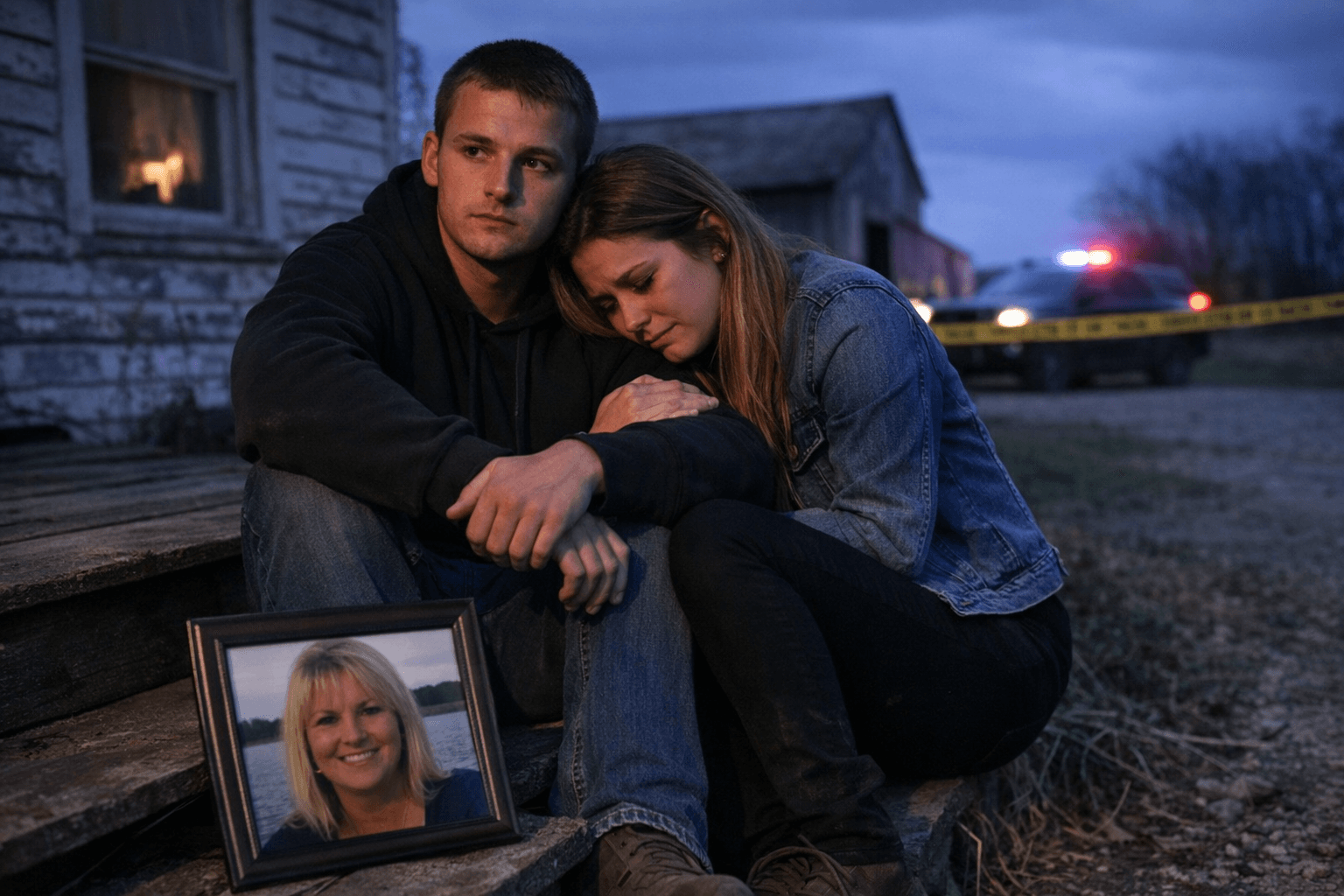
Dee Warner's four adult children knew from the moment their mother vanished in April 2021 that justice would be difficult. There was no body, no crime scene, no physical evidence of violence. Only silence, and a husband who offered shifting explanations. On March 10, 2026, a jury of seven men and five women in Lenawee County, Michigan, delivered the verdict Dee's family had fought nearly five years to reach: guilty of second-degree murder.
The case against Dale Warner, 58, rested on a mosaic of digital, forensic, and financial evidence assembled in the absence of the most basic fact a murder prosecution normally requires. Dee Warner, 52, was last seen at the couple's home in Tecumseh, a small city about 60 miles southwest of Detroit, on the evening of April 24, 2021. Her remains were eventually found sealed inside an anhydrous fertilizer tank on Dale's Paragon Road property, confirmed through dental records in August 2024.
But prosecutors were already building a no-body case before that discovery. Dale was arrested and charged with open murder and tampering with evidence in November 2023, two and a half years after Dee disappeared and nearly nine months before her body was located. The prosecution assembled evidence showing a marriage fracturing over money and fidelity: Dee told her daughter Rikkell Bock the day before she vanished that she wanted a divorce and planned to sell the couple's trucking company.
Dale's conduct after her disappearance supplied a separate evidentiary thread. The family's IT contractor testified that Dale asked him to change surveillance camera passwords and strip Dee's access to the system, and had previously asked him to clone Dee's phone, a request the contractor refused. A GPS device had been placed on Dee's vehicle and monitored regularly. Brian Bush, formerly married to one of Dale's daughters, testified that Dale asked him to purchase a tracking device and later instructed him to keep it secret. Body camera footage shown to jurors captured Dale shifting between explanations for his wife's absence, accusing her of drug use and financial misconduct, though police found no evidence to support those claims.
Forensic evidence connected Dale to the concealment itself. Prosecutors told the jury he killed Dee, moved her body using farm machinery and a safe, then welded her remains inside the anhydrous tank before painting it over. A paint expert testified at trial. The jury deliberated nine hours across two days before convicting.
Dee's children were the engine of the case throughout. Rikkell Bock testified about her mother's plans to leave Dale. Her brother Zack Bock, who launched a real estate company in the aftermath of his mother's disappearance and got sober, described a grief that became resolve. "I stopped being scared of failing on something 'cause there was nothing left to lose," he said. Dee's brother Gregg Hardy hired private investigator Billy Little when the investigation appeared to stall. "Maybe you'll find the body, maybe you won't," Little said. "But don't sit around waiting for Santa Claus to come. You've got to solve this case." Hardy also won a court ruling in March 2024 declaring Dee legally dead, opening the path to a wrongful death suit, five months before her actual remains were located.
Rikkell Bock, when asked how the family endured years of uncertainty, put it plainly: "However long it took, we wouldn't stop fighting."
Sentencing for Dale Warner is scheduled for May 7, 2026, capping a prosecution that proved, even before a body was recovered, that absence of remains is not absence of evidence.
This article was produced by Prism’s automated news system from verified source data, official records, and press releases, then run through automated quality and moderation checks before publishing. The system is built and supervised by the people who set the standards it runs under. Read our full AI policy.
Did this article answer your question?

