Chile’s Atacama Desert becomes a global graveyard for discarded clothing
Discarded clothes from wealthy countries have piled up across 300 hectares of Chile’s Atacama Desert, where some loads are burned as imports keep arriving.
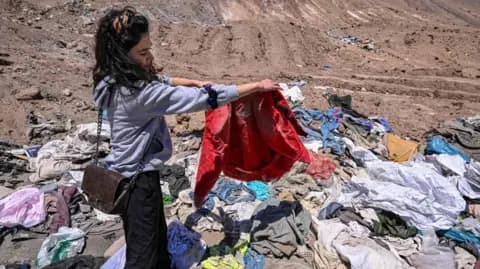
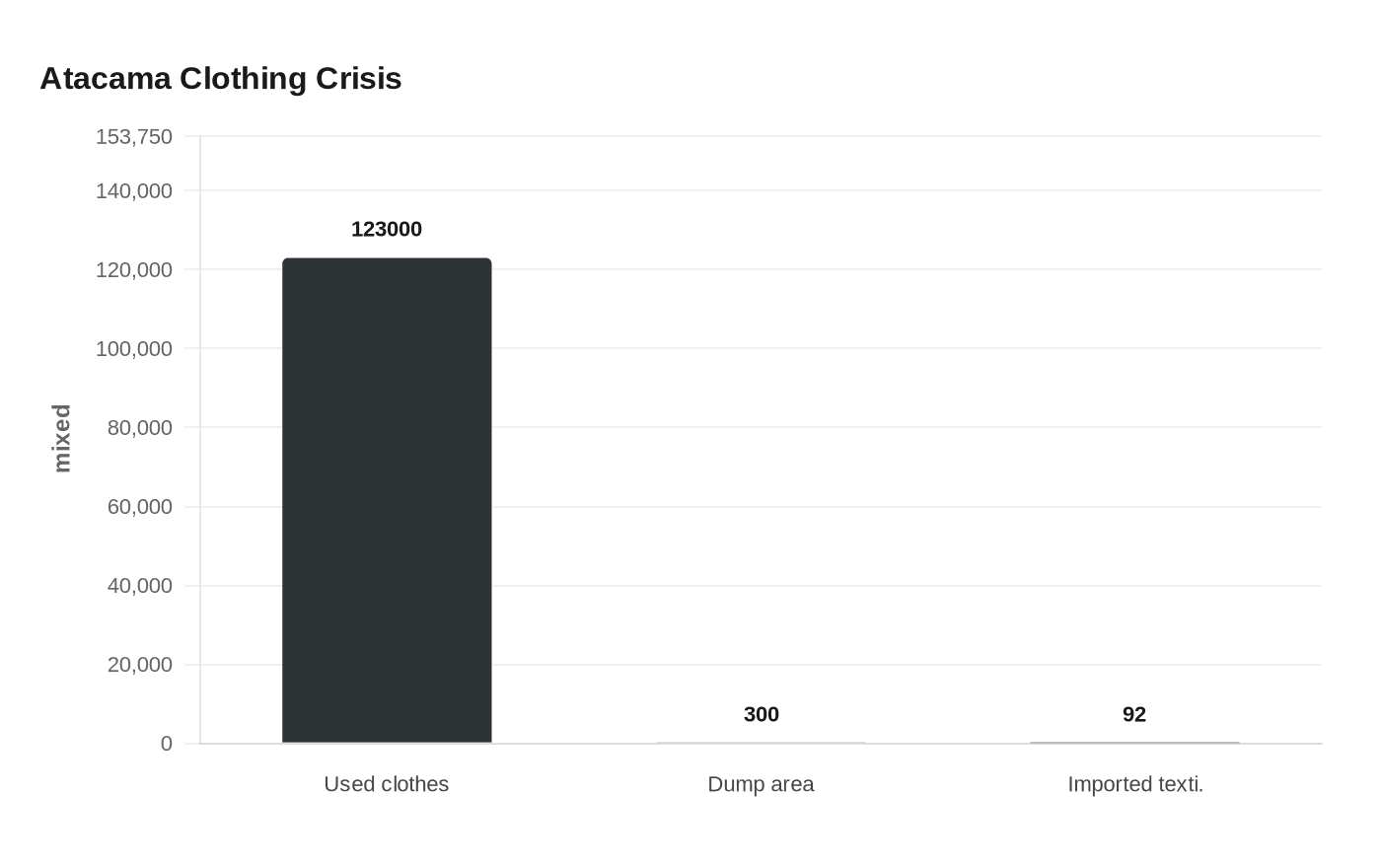
The promise of “responsible” disposal ends in the Atacama Desert, where mountains of unwanted clothing have grown outside Alto Hospicio into a sprawling graveyard of fast fashion. Chile imports an estimated 123,000 tonnes of used clothes every year, much of it funneled through the free-trade port of Iquique, and the garments that cannot be resold have for years been dumped in the barren, bone-dry countryside.
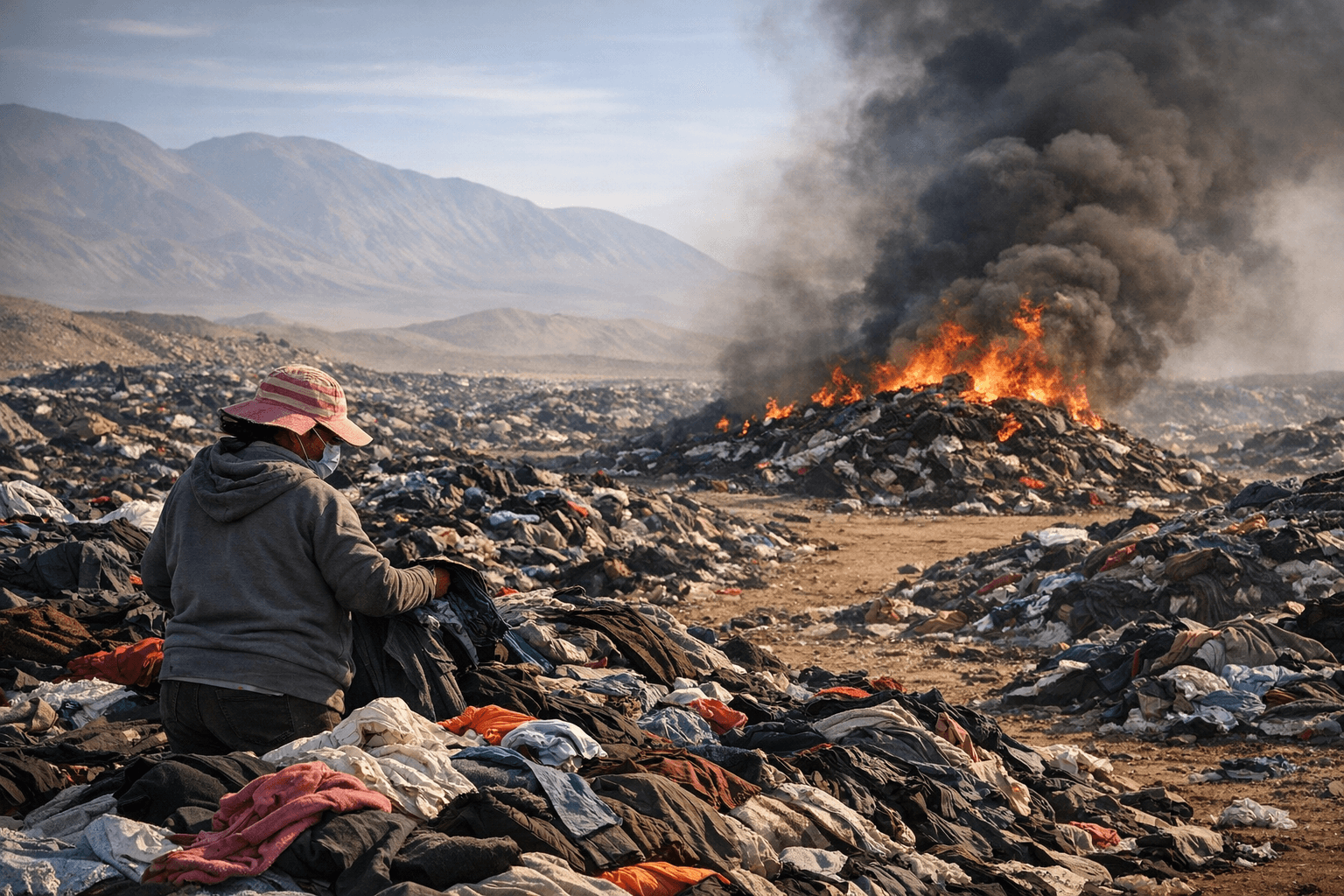
What began as a resale stream has hardened into a waste crisis. United Nations and ECLAC material says large illegal dumps of discarded clothing and textile products have expanded in Alto Hospicio since 2012 and now cover about 300 hectares. Some of the textile waste has been burned on-site, adding pollution to a landscape already defined by drought and dust. In the heaps, some garments still carry price tags, a sign of how little of the trade’s burden stays visible to the people who profit from it.
Chile’s own figures show how deeply the country is tied to the global second-hand market. Government material describes Chile as the world’s fourth-largest importer of second-hand clothing, and estimates that 92% of textiles sold in the country are imported. That dependence has made the north of the country a catch basin for castoff clothing from around the world, with Iquique serving as the main gateway into a system that sorts a share of the load for resale and pushes the rest toward disposal in the desert.
The Atacama dumping grounds have become a symbol of the global fast-fashion waste crisis because they expose the limits of a model built on cheap volume and weak end-of-life planning. Researchers say low-quality garments often cannot be reused, which means the same supply chains that market used clothing as circular can quietly convert it into trash once it lands in an importing country with few options for recovery.
Chile has begun tightening the rules. The environment ministry now requires clothing importers to report the volume of textiles they bring into the country as part of a broader extended producer responsibility policy, and textile products have been prioritized under the country’s recycling law. But the cleanup burden remains local, falling on communities in Alto Hospicio while the profits from the trade continue to move through opaque resale and export channels.
This article was produced by Prism’s automated news system from verified source data, official records, and press releases, then run through automated quality and moderation checks before publishing. The system is built and supervised by the people who set the standards it runs under. Read our full AI policy.
Did this article answer your question?