U.S. seizes Iranian cargo ship in Gulf of Oman, Iran vows retaliation
A U.S. destroyer disabled the Iranian-flagged TOUSKA in the Gulf of Oman, then Marines took custody. Tehran called it "armed piracy" and promised retaliation.

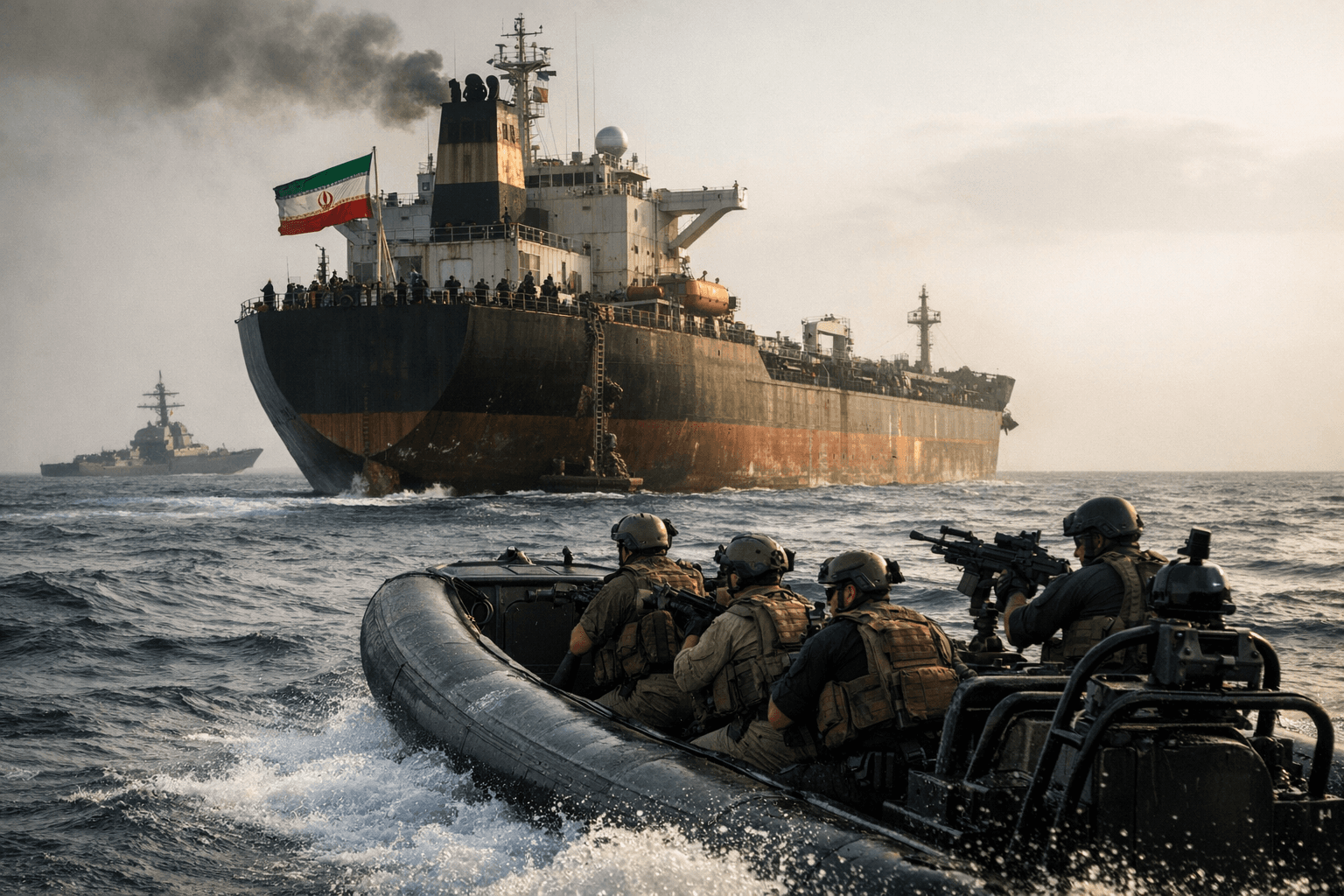
The seizure of the Iranian-flagged cargo ship TOUSKA in the Gulf of Oman pushed the U.S.-Iran maritime standoff into a more dangerous phase, with Washington asserting blockade authority and Tehran answering with threats of retaliation. President Donald Trump said the U.S. Navy destroyer USS Spruance intercepted the vessel after it ignored warnings to stop, then Marines took custody of the ship after the warship fired into its engine room.
Trump said the action came after repeated commands and that the ship had tried to bypass a U.S. naval blockade. Axios said it was the first seizure and the first ship fired upon since the blockade took effect on April 13, 2026, a sign that Washington is no longer relying only on deterrence. By using a destroyer, boarding Marines and live fire against the engine room, the United States signaled it was willing to enforce its maritime line with force, not just rhetoric.
Iran moved quickly to frame the episode as an illegal attack on a civilian vessel. Iranian officials and state media described the seizure as piracy, while Al Jazeera said Tehran condemned it as "armed piracy" and vowed to retaliate. Reuters-linked reporting said Iran said the TOUSKA was traveling from China to Iran, a detail meant to cast the ship as part of lawful commerce rather than a military threat. The language fight matters: if Washington calls the move an enforcement action and Tehran calls it piracy, both sides are setting up the legal basis for further confrontation.
The strategic stakes are broader than one ship. The seizure happened in the Gulf of Oman near the Strait of Hormuz, where shipping risk had already surged and the waterway remained largely closed during the crisis. Reports tied the episode to an active cease-fire and a renewed push for talks, including a diplomatic effort that was unfolding even as tensions at sea escalated. That overlap made the interception especially combustible: one miscalculation in the water could spill into negotiations on land.
For now, the episode looks like both a symbolic show of force and a meaningful escalation. The symbolism is obvious in the optics of a U.S. destroyer disabling an Iranian-flagged ship and Marines taking it over. But the operational detail is more consequential: firing on a vessel in a chokepoint as sensitive as the Strait of Hormuz raises the risk that commercial shipping, already under strain, could face even tighter disruption if Iran chooses to answer in kind.
Know something we missed? Have a correction or additional information?
Submit a Tip