Global governments race to curb fuel costs as oil supply shock spreads
Fuel shocks are pushing governments to ration driving, subsidize transit and shield households, but the tradeoffs are already reshaping work, supply and public budgets.
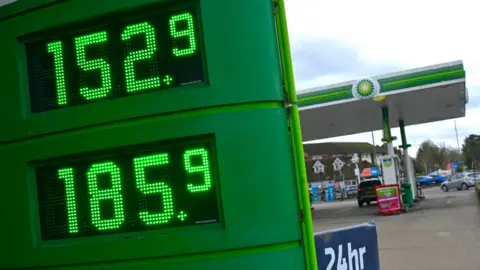
Fuel costs are climbing fast enough to push governments from broad promises to hard limits on driving, commuting and consumption. The war in Iran and the effective closure of the Strait of Hormuz, which carries around 20% of the world’s oil and natural gas flows, have tightened supplies across markets the International Energy Agency called the “largest supply disruption in the history of the global oil market.”
The response has been immediate and uneven. In the United Kingdom, petrol prices reached an 18-month high, according to the RAC, and ministers said they were ready to act if fuel sellers profiteered. The government also set aside a £53 million package for low-income households that rely on heating oil, while the Petrol Retailers Association denied profiteering.
Other governments have gone further by trying to suppress demand directly. Victoria and Tasmania made public transport free to discourage driving. Ireland unveiled a €235 million package that cut petrol and diesel taxes, including a suspension of the National Oil Reserves Agency levy. In China, authorities reportedly ordered refineries to stop exporting fuel and lean on stockpiles estimated at about 900 million barrels, roughly three months of imports.
Asia has seen the most aggressive intervention. India’s oil ministry said on 26 March that it had secured crude supplies for the next 60 days and urged residents not to panic buy. Sri Lanka limited private motorists to 15 liters of petrol a week through a QR-code system. Cambodia shut about a third of its petrol pumps. Myanmar adopted odd-even rationing. Thailand ordered civil servants to conserve energy by working from home, raising air-conditioning temperatures to 26-27C and dressing more casually. Indonesia announced Friday work-from-home days and a 50-liter-per-day fuel sales cap.
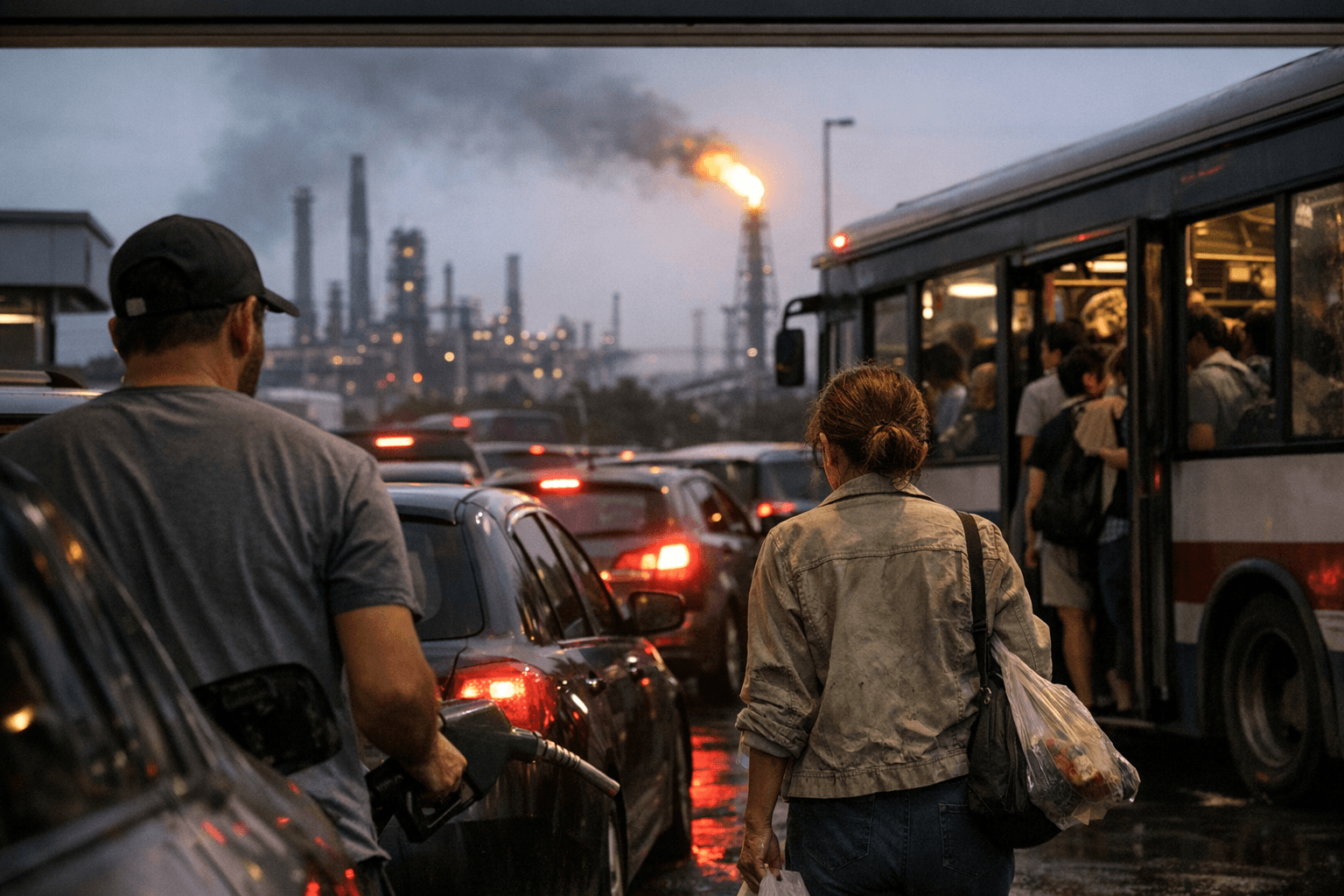
The Philippines has paired transit relief with direct cash support. The Marcos Jr. administration launched free bus rides, a 50% fare discount on Metro Manila rail lines and fuel subsidies for farmers and fisherfolk, with free rides also covering routes in Metro Cebu and Metro Davao. Claire Castro said the government wanted to protect commuters and drivers, and Rex Gatchalian said the Department of Social Welfare and Development had distributed P5,000 cash relief to nearly 139,000 tricycle drivers in Metro Manila. Even so, some drivers said the aid was not enough.
Europe has begun testing rationing as a last resort. Slovenia became the first EU member state to cap private drivers at 50 liters a week, while businesses and farmers can buy 200 liters. The International Road Transport Union, led by Umberto de Pretto and Matt Pearson in its public warnings, has urged the European Union to coordinate quickly to avoid supply-chain disruption. The pattern is clear: the measures that most directly shield households are transit subsidies, cash transfers and targeted tax cuts, but each one leaves governments paying the bill or rationing behavior that citizens and businesses are forced to absorb.
This article was produced by Prism’s automated news system from verified source data, official records, and press releases, then run through automated quality and moderation checks before publishing. The system is built and supervised by the people who set the standards it runs under. Read our full AI policy.
Did this article answer your question?


