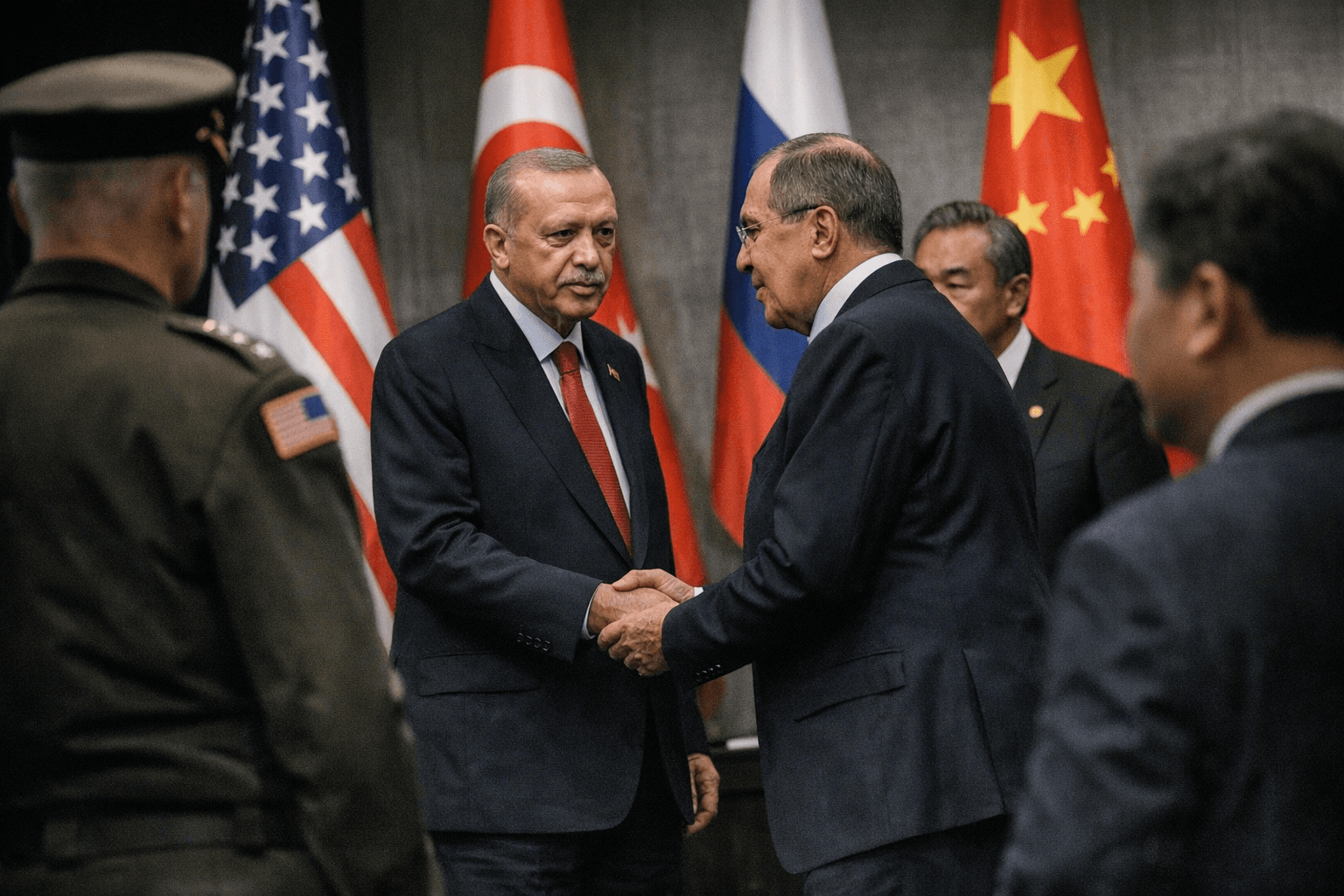
Carney says Canada’s close economic ties with U.S. are a weakness
Carney warned Canada’s U.S. trade reliance now leaves the country exposed, as tariffs hit auto, steel and lumber and exports still flow mainly south.
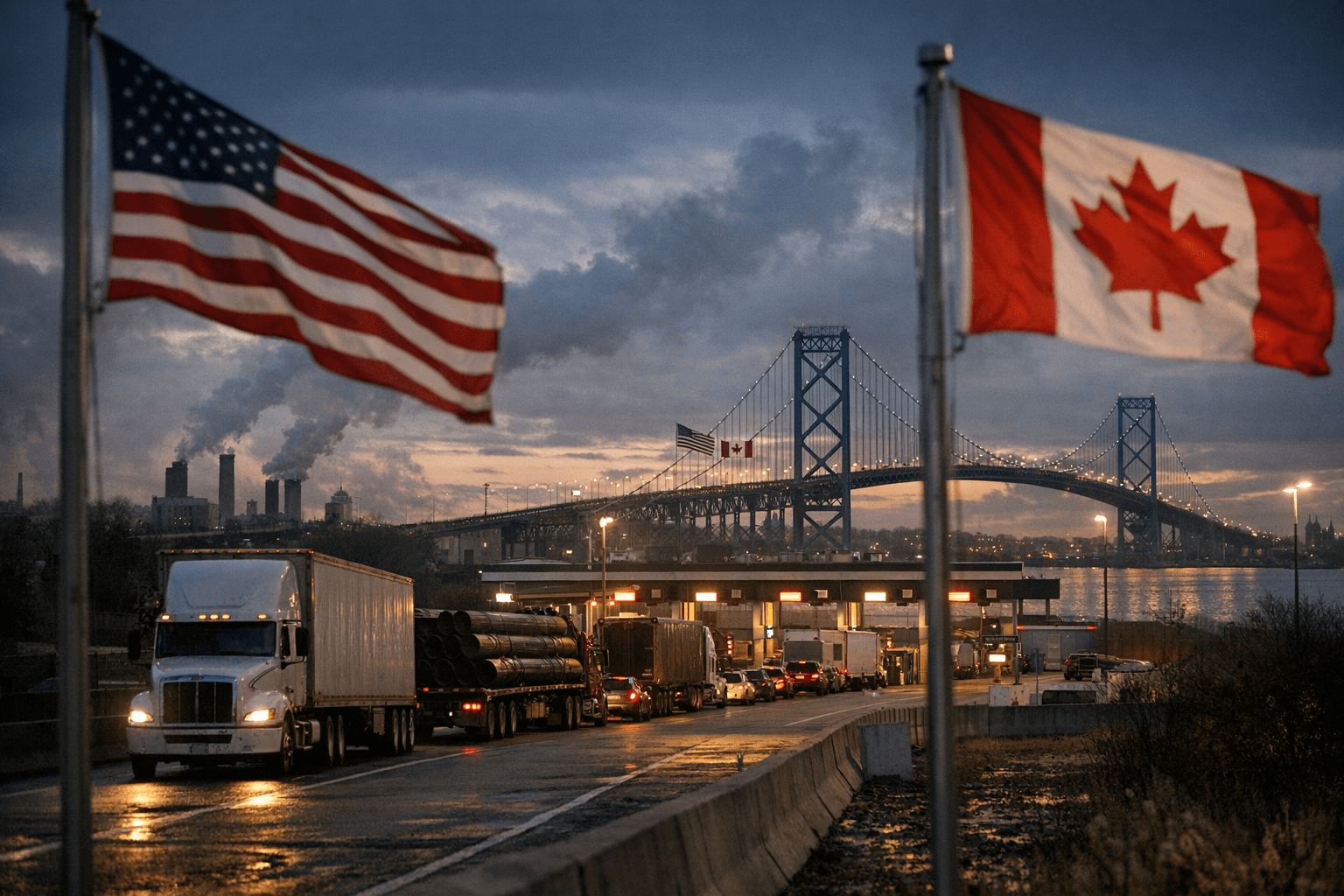
Mark Carney used a 10-minute video address to recast Canada’s deepest economic relationship as a liability, warning that the country’s close ties to the United States were once a strength but now are a weakness that must be corrected. He said the world was “more dangerous and divided,” argued that Washington has fundamentally changed its approach to trade, and said tariffs had risen to levels last seen during the Great Depression.
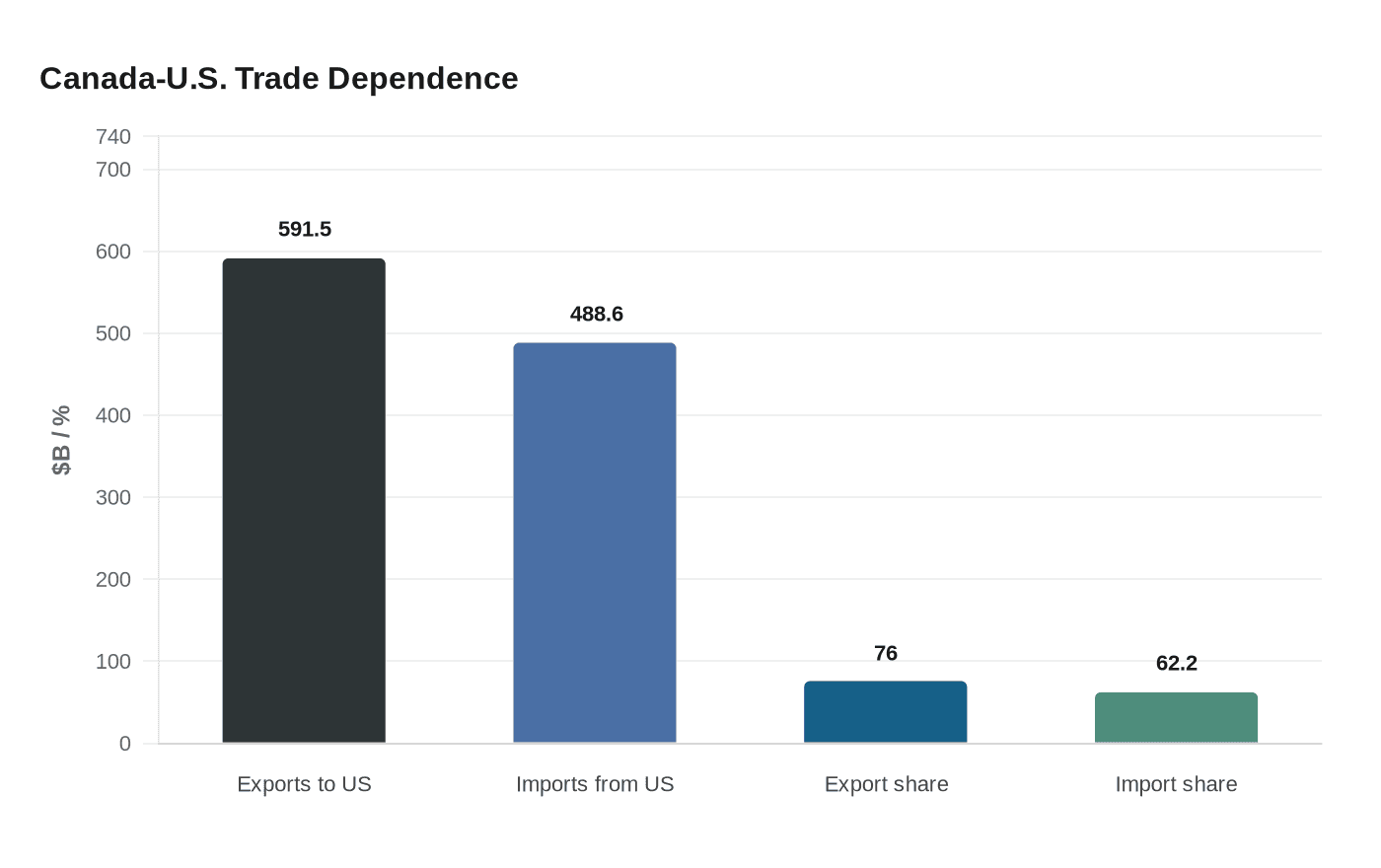
The warning lands at a moment when Canada remains tightly bound to the U.S. market. Statistics Canada says 75.9% of Canada’s merchandise exports went to the United States in 2024, while the Government of Canada says exports to the U.S. totaled $591.5 billion, or 76.0% of all Canadian exports. Imports from the United States were $488.6 billion, equal to 62.2% of Canada’s total imports. The numbers show why Carney is pressing a hard pivot: the country’s trade, industrial planning and investment decisions still depend heavily on access to one customer and one supplier.
Carney tied the argument to immediate pressure on Canadian industries. Workers in the auto, steel and lumber sectors are under threat from U.S. tariffs, and businesses are holding back investment because of the uncertainty hanging over cross-border trade. “The uncertainty is hanging over all of us,” he said, framing the problem not as a temporary dispute but as a structural shock that could shape hiring, capital spending and manufacturing decisions for years.
The broader strategic issue is that Canada’s economic relationship with the United States is also a supply-chain relationship. The Office of the United States Trade Representative says the two countries have a long history of integration, especially in automotive, textile and energy sectors. That integration once made Canada’s proximity to the U.S. an advantage. Under the current tariff regime, Ottawa is signaling that the same interdependence can expose Canadian producers to political decisions made in Washington, especially under President Donald Trump’s administration.
Carney said Canada cannot rely on one foreign partner or bet its future on the hope that the disruption will stop. That suggests a policy shift that would have to reach beyond trade rhetoric and into realignment: new export markets, new investment partners, and a stronger buffer against U.S. shocks in sectors built around North American supply chains. The challenge for Ottawa is no longer whether the relationship is close. It is whether Canada can afford to keep treating closeness as security.
Know something we missed? Have a correction or additional information?
Submit a Tip