Oil prices surge after U.S. seizes Iranian ship near Hormuz
Oil prices jumped after the U.S. seized an Iran-flagged tanker near Hormuz, rattling gasoline and shipping markets as Tehran vowed retaliation.
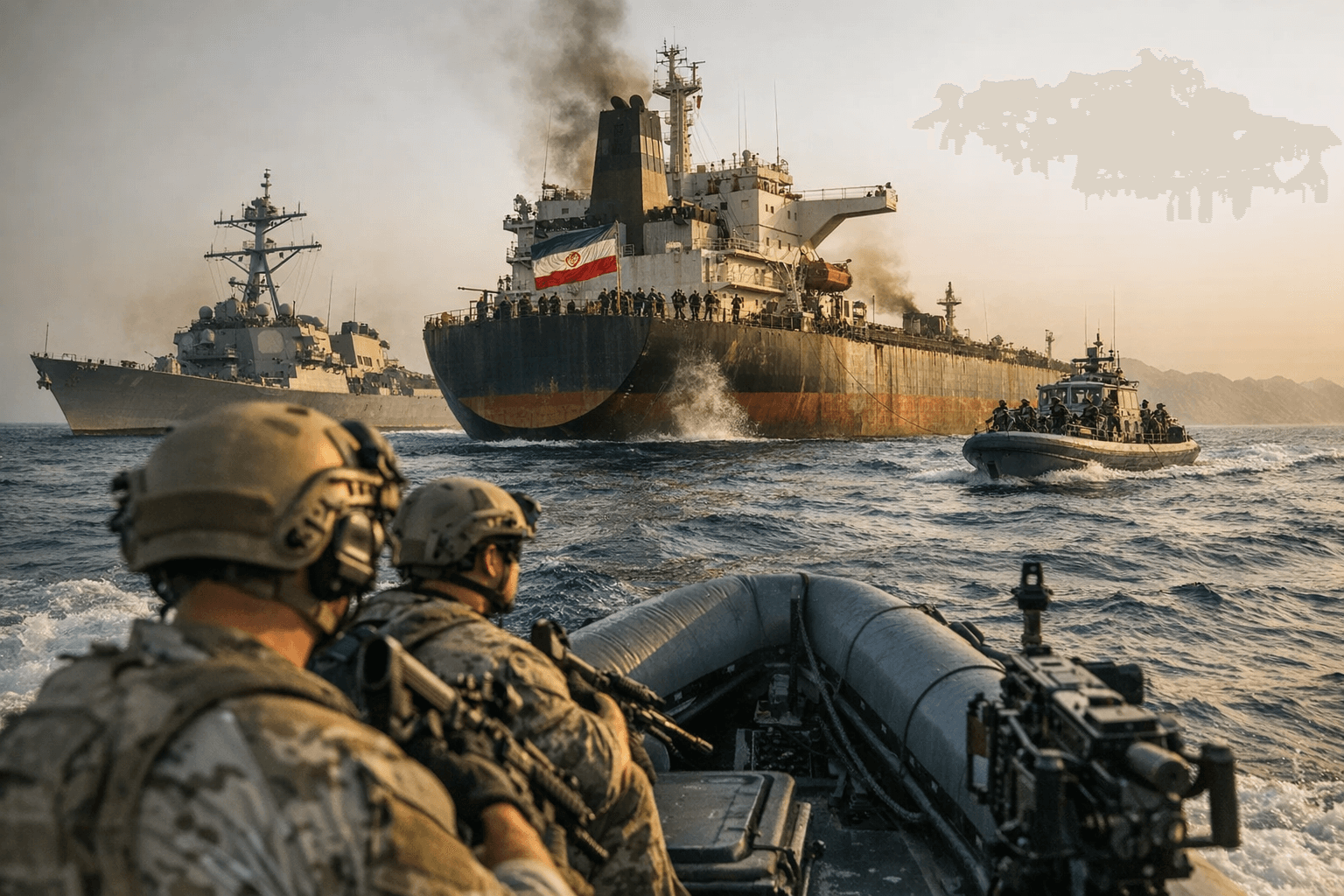
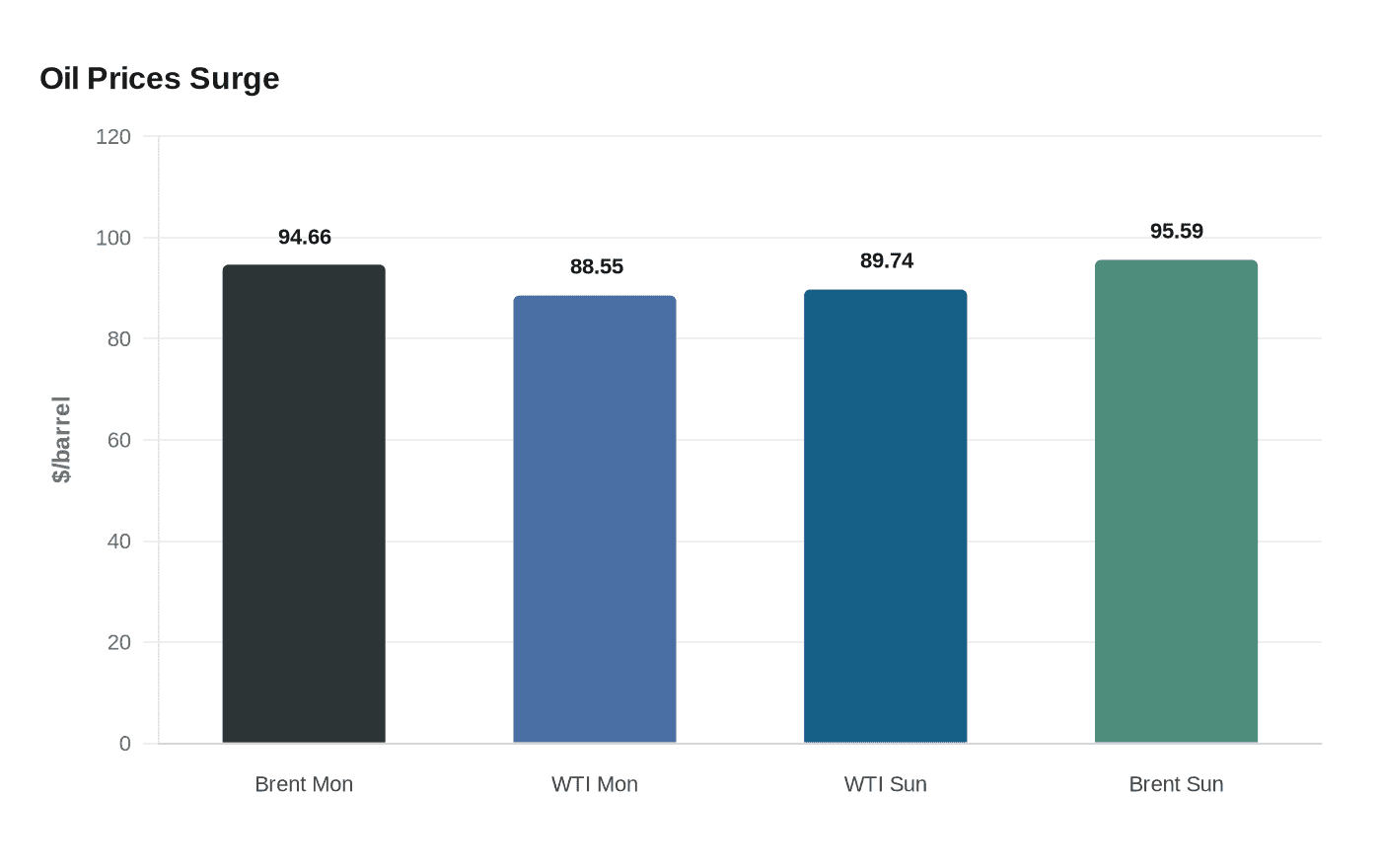
A U.S. seizure of an Iran-flagged cargo ship near the Strait of Hormuz sent crude prices sharply higher, a move that could filter quickly into gasoline costs, shipping rates and fresh inflation pressure for U.S. households and businesses. By Monday morning in Asia, Brent crude had climbed to $94.66 a barrel, up 4.74%, while West Texas Intermediate rose 5.6% to $88.55, after a Sunday surge that pushed WTI to about $89.74 and Brent to $95.59.
President Donald Trump said the U.S. Navy fired on and seized the vessel, identified in multiple reports as the TOUSKA or Touska, after it tried to evade a U.S. blockade near the Strait of Hormuz. The Associated Press said it was the first such interception since the blockade of Iranian ports began last week. The seizure revived fears over a waterway that carries a large share of the world’s oil shipments and has long been treated as one of the most dangerous choke points in global energy markets.
The market reaction was immediate. One report said Brent jumped more than 7% in Asian trade, while other coverage said oil prices erased much of Friday’s decline after Iran briefly signaled the waterway was open. The broader message to traders was clear: the latest move was not being priced as a one-off maritime episode, but as a possible escalation that could keep tankers, insurers and refiners on edge.
Tehran responded by condemning the seizure as “armed piracy” and vowing retaliation. Iranian-linked live coverage said a response was expected, while other reports said the incident came hours after Trump announced he was sending a delegation to Islamabad for possible talks with Iran. The back-and-forth underscored how quickly diplomacy and confrontation were colliding as both sides signaled they were prepared to escalate.
The stakes extend beyond crude benchmarks. Reuters-linked coverage said the incident threatened an already fragile ceasefire, and reporting around the Strait of Hormuz described the route as effectively closed or restricted to commercial vessels. For oil markets, that means the price of risk is again moving faster than supply fundamentals, with every new statement from Washington or Tehran capable of sending another jolt through energy and shipping costs.
Know something we missed? Have a correction or additional information?
Submit a Tip