China-Africa trade surge boosts yuan adoption across the continent
China’s zero-tariff push on 53 African countries is sending more trade into yuan, from South African apples in Shenzhen to Kenyan debt deals. The dollar still dominates, but settlement habits are shifting.
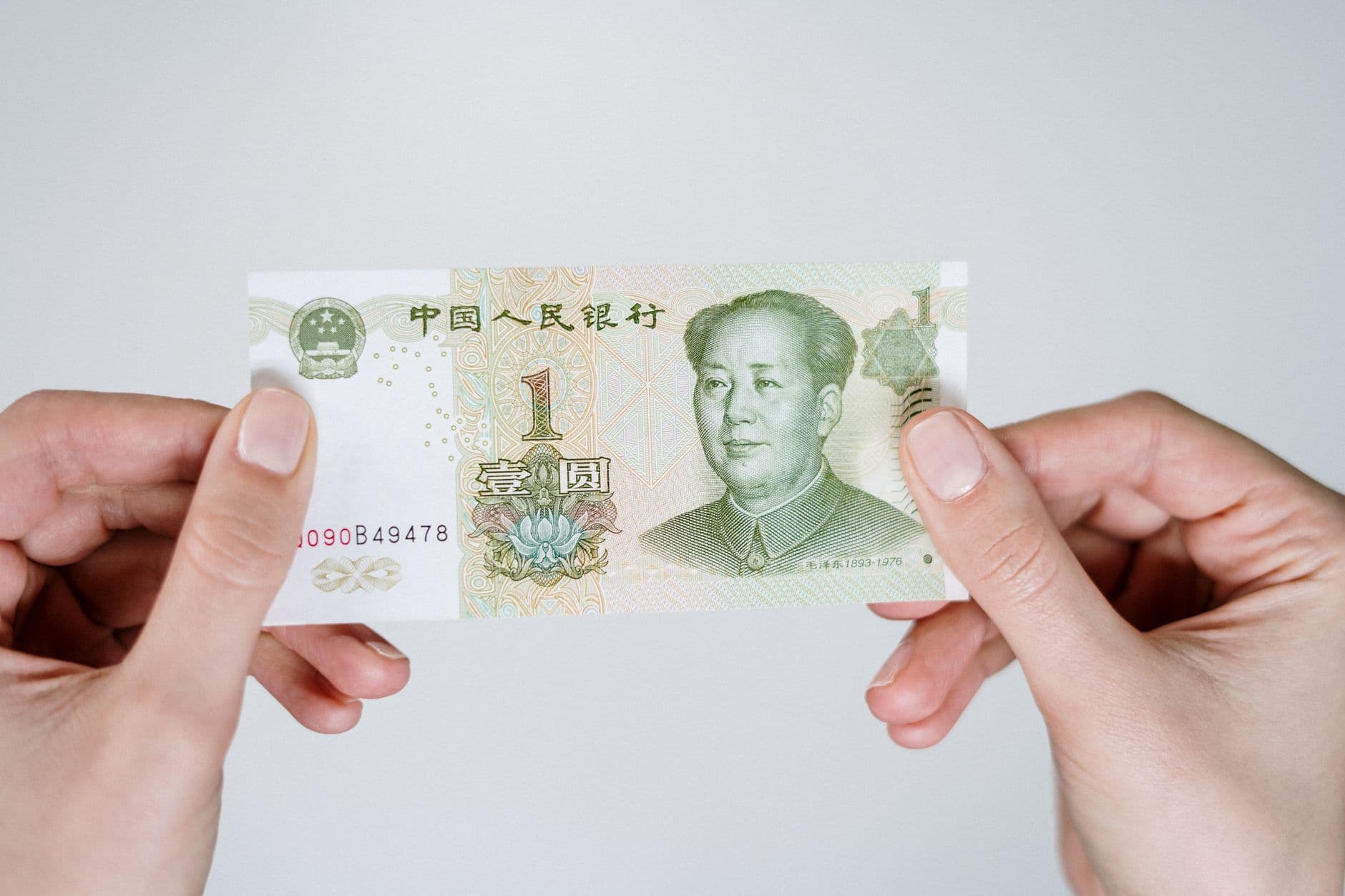
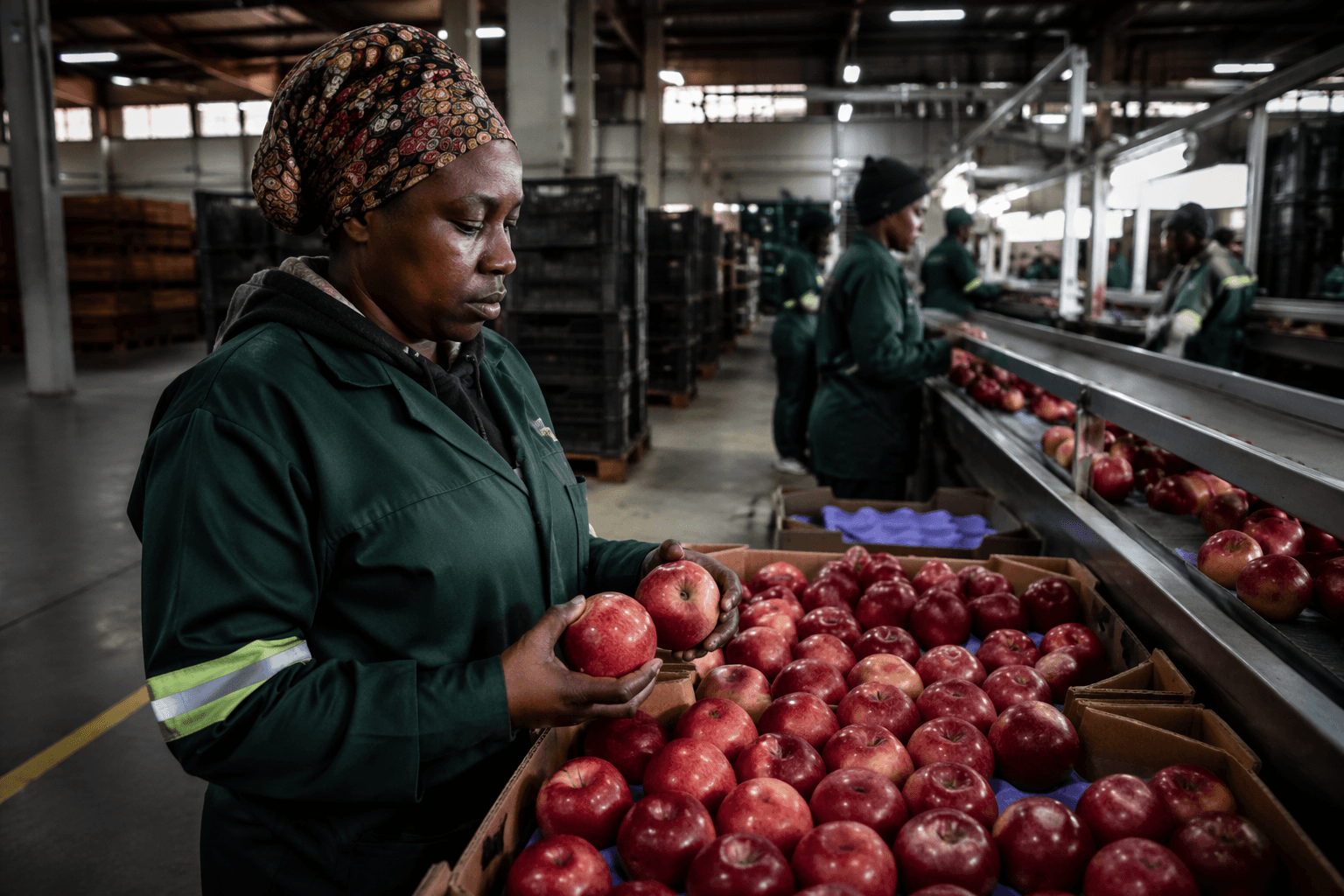
China’s removal of tariffs on imports from all 53 African countries with diplomatic ties has begun to turn trade flows into currency flows. As more cargoes clear Chinese ports and more African firms invoice into the Chinese market, the yuan is gaining a practical foothold in cross-border settlement, especially on routes where China is already Africa’s largest commercial partner. The shift is visible in the first shipments under the new policy, including 24 tonnes of South African apples cleared in Shenzhen, and in the broader trade data showing China-Africa commerce at about $348 billion in 2025, up nearly 18% from the year before.
For African exporters, the payoff is lower friction. Nigerian sellers of cattle-bone pellets, Kenyan processors of avocado oil and South African fruit exporters are now operating in a trade lane where invoicing in yuan can cut conversion costs and reduce the exchange-rate risk of bouncing through dollars. That matters because China now accounts for about 20% of Africa’s external trade, up from 5% two decades ago, making Chinese currency use more attractive as a routine business choice rather than a political statement. The International Monetary Fund has found that the yuan’s global share of cross-border transactions is still only about 2%, but the currency tends to be used more where trade and financial links to China are strongest.
Banks are adapting to that shift. Standard Bank became the first African commercial bank to connect directly to China’s Cross-Border Interbank Payment System in November 2025, and it processed about $500 million through the network in its first four months. The system, launched in 2015, lets banks clear and settle yuan payments without relying as heavily on intermediary currencies. African Export-Import Bank has also linked directly to CIPS, widening the infrastructure for yuan settlement beyond one lender and giving trade finance teams a way to move funds on rails built for Chinese currency use.
Governments are moving too. Kenya converted some Chinese loans into renminbi in 2025, cutting its annual interest burden by about $215 million, a reminder that yuan adoption is no longer limited to import invoices. It is starting to reach sovereign balance sheets, debt service and refinancing strategy. Birju Sanghrajka, the chief executive of Standard Chartered Kenya, said yuan transactions are growing even if there is still “little sign” the currency is about to displace the dollar.
That balance defines the moment. The dollar remains the dominant settlement currency, but Beijing is using trade, tariff policy and payment infrastructure to widen the yuan’s reach. As Chinese commerce with Africa deepens, currency choice is becoming another channel of power, and one that could matter for exporters, lenders and finance ministries long after the latest cargoes have cleared customs.
This article was produced by Prism’s automated news system from verified source data, official records, and press releases, then run through automated quality and moderation checks before publishing. The system is built and supervised by the people who set the standards it runs under. Read our full AI policy.
Know something we missed? Have a correction or additional information?
Submit a Tip