SpaceX shares tumble as investors reassess AI-fueled valuation
SpaceX fell more than 6% after its record IPO as investors weighed a $20 billion bond plan, a $29.1 billion debt load and its costly AI ambitions.

SpaceX shares dropped more than 6% on Thursday, June 18, as the first burst of post-IPO excitement gave way to a harder look at the company’s price tag. Even after the selloff, the stock remained more than 30% above its $135 offering price, a sign that the market is still rewarding the company but is no longer granting it an uncritical premium for growth.
The pullback came after a stunning debut that valued Elon Musk’s rockets-to-AI company at about $1.96 trillion on its first day of Nasdaq trading on June 12, before the valuation later pushed above $2 trillion in the early days of trading. SpaceX priced its shares at $135 on June 11 and raised about $75 billion, making it the biggest-ever U.S. initial public offering. Investor demand topped $250 billion, roughly four times the shares on offer, and Musk and Gwynne Shotwell rang the opening bell remotely from Nasdaq.

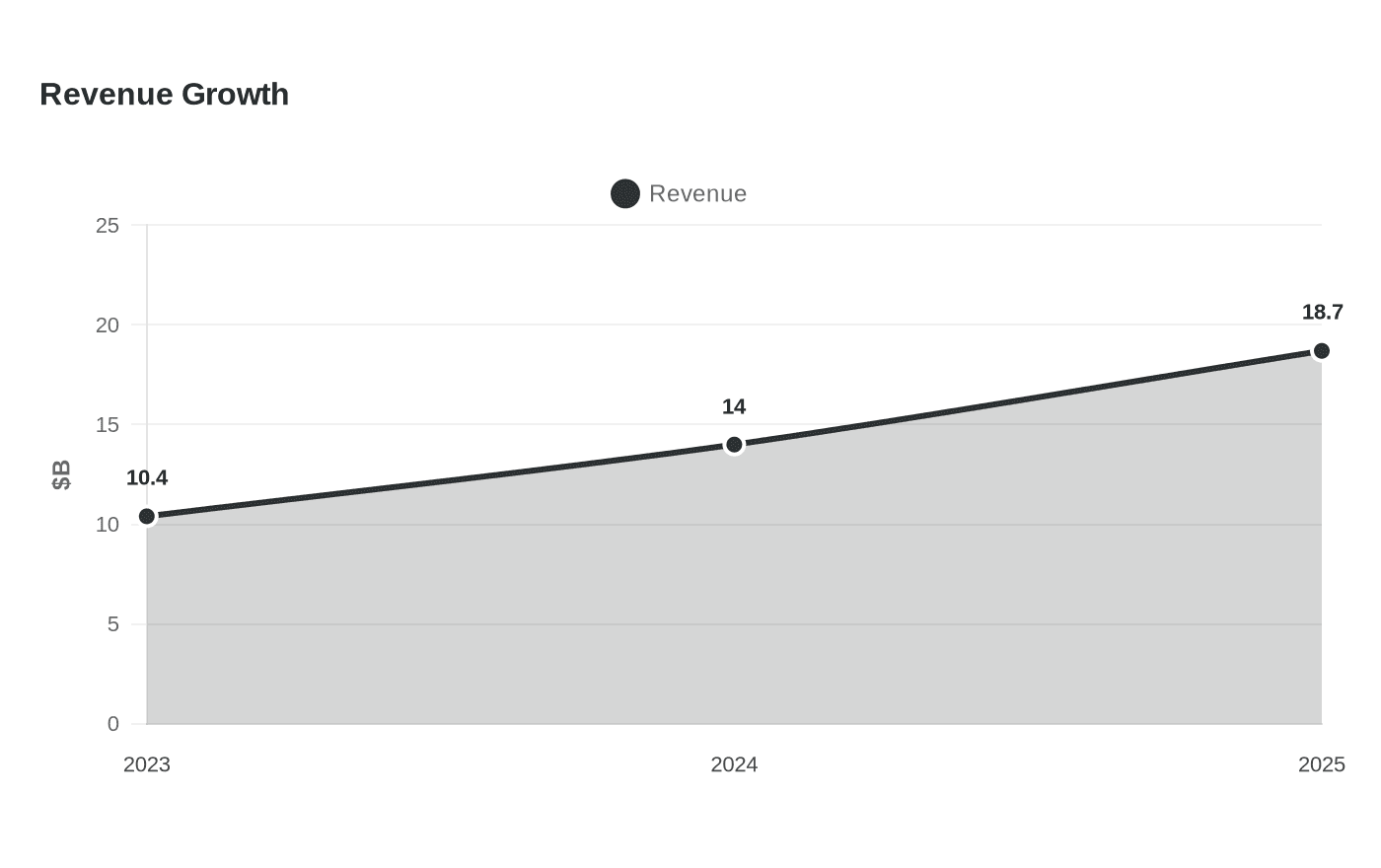
The mood is now shifting because the market is also being asked to finance SpaceX’s next phase. The company’s bankers are preparing to meet investors as soon as next week about a bond offering of at least $20 billion, a move that underscores how much capital the expansion plan may require. SpaceX disclosed about $29.1 billion in debt as of the first quarter of 2026, while its 2025 revenue reached $18.7 billion, up from $14 billion in 2024 and $10.4 billion in 2023. The company reported a 2025 net loss of about $4.9 billion and adjusted EBITDA of $6.6 billion.
That financial profile helps explain the reassessment. Musk has said SpaceX has been cash-flow positive since around 2015, but the company is still asking investors and lenders to support a strategy that depends on very heavy spending for computing hardware, data centers and power infrastructure. In April, SpaceX warned that its space-based AI data centers may never be commercially viable, a caution that now sits at the center of the valuation debate. The stock’s drop does not break the IPO story, but it does show that the market’s appetite for growth-at-any-cost has limits when the next phase depends on expensive, uncertain AI infrastructure.
This article was produced by Prism’s automated news system from verified source data, official records, and press releases, then run through automated quality and moderation checks before publishing. The system is built and supervised by the people who set the standards it runs under. Read our full AI policy.
Know something we missed? Have a correction or additional information?
Submit a Tip