Japan inflation holds steady after Bank of Japan rate hike
Japan’s core inflation stayed at 1.4% in May, giving the Bank of Japan little reason to speed up tightening after its rate hike to 1.0%.

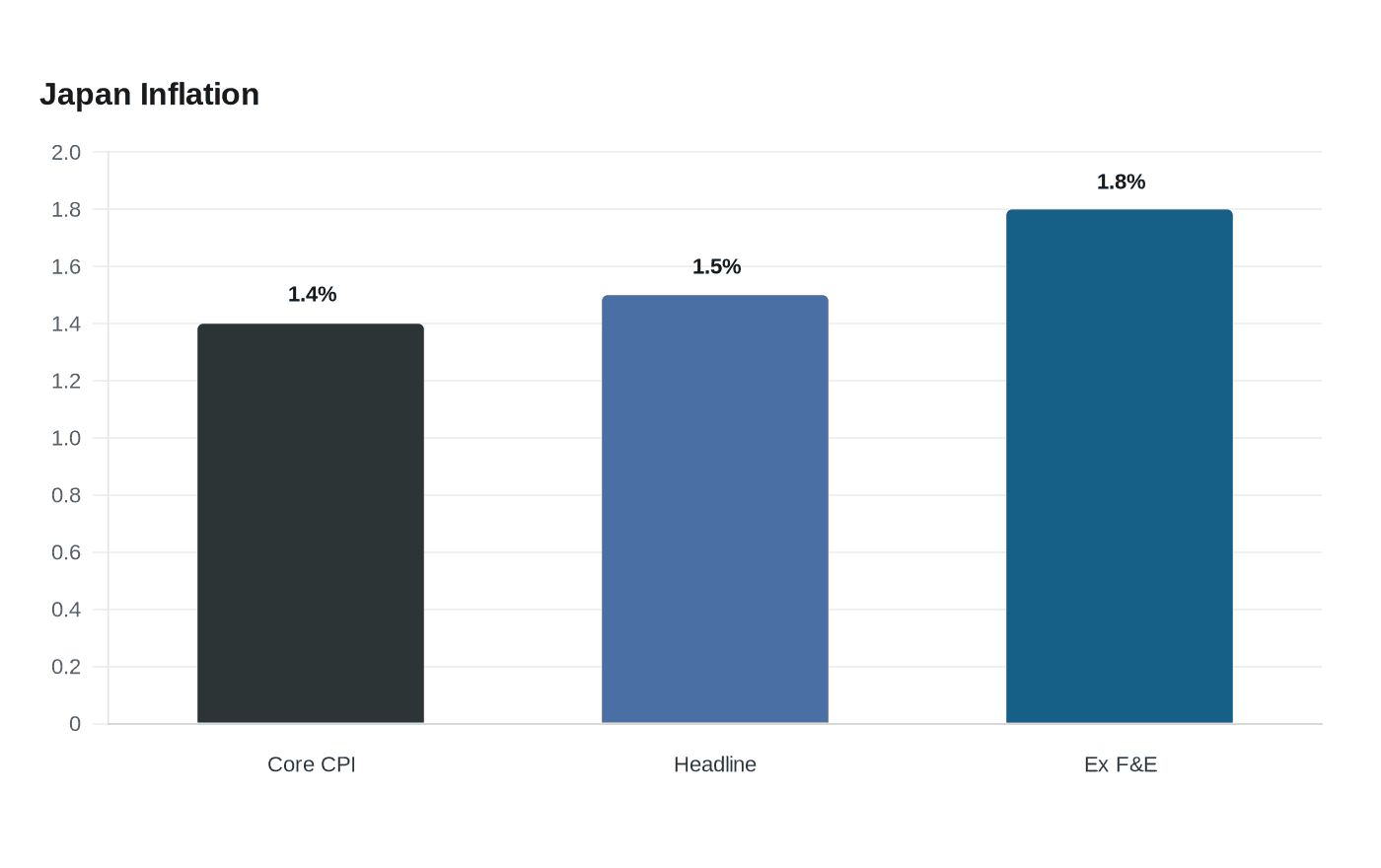
Japan’s inflation picture barely budged in May, leaving the Bank of Japan with the same uneasy balance it faced before its latest rate hike: prices are still rising, but not fast enough to make policy normalization straightforward. Core consumer prices rose 1.4% from a year earlier, unchanged from April and in line with market expectations, while headline inflation edged up to 1.5%.
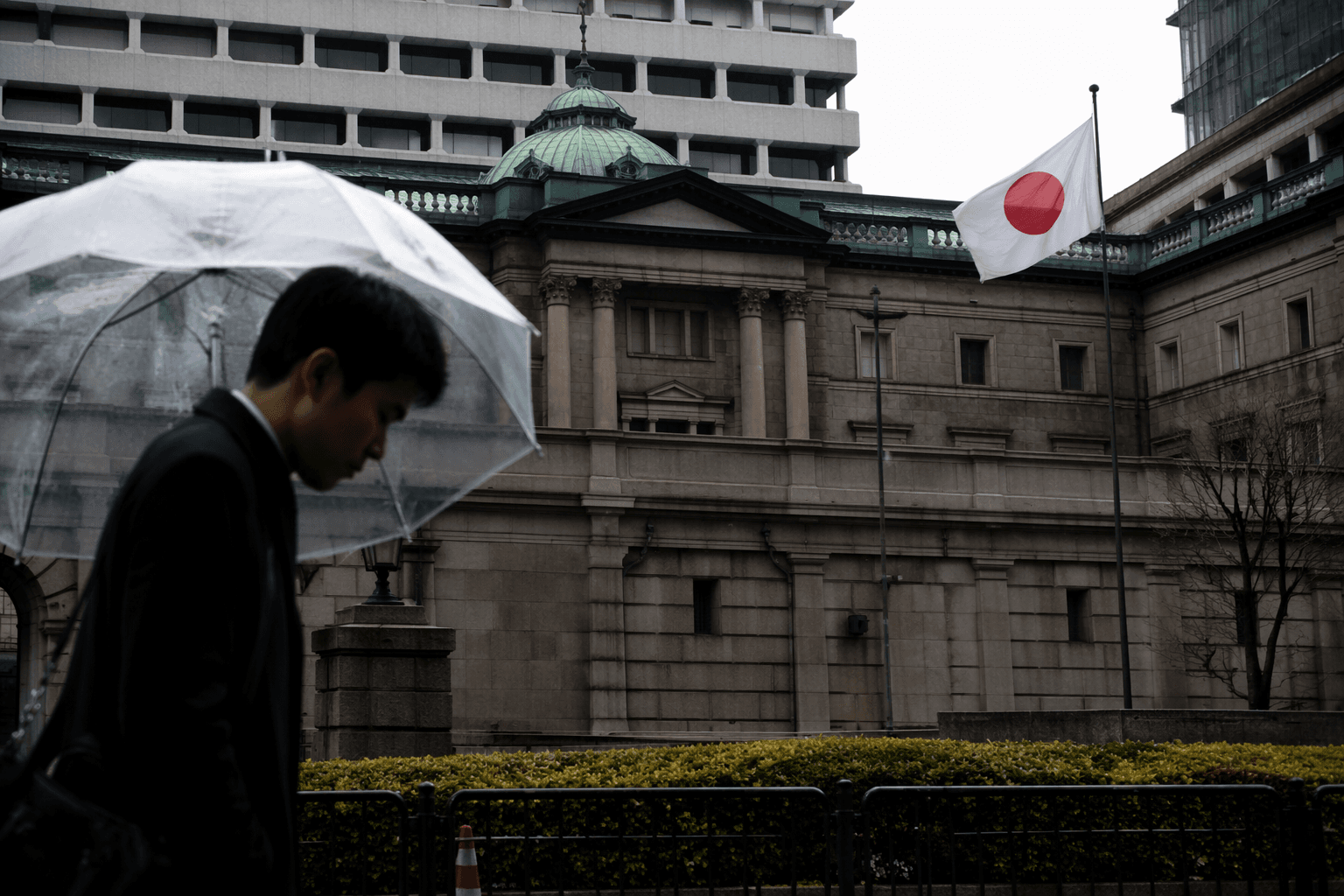
The figures arrived just days after the Bank of Japan lifted its policy rate by 25 basis points to 1.0% on June 16, its first increase since December and a move that took borrowing costs to their highest level since 1995. The central bank approved the increase by a 7-1 vote as it responded to inflation risks tied to the energy shock triggered by the Iran war and broader Middle East conflict.
The May data showed why policymakers are moving carefully. A broader measure that strips out both fresh food and energy slowed to 1.8% from 1.9% in April, signaling that underlying price pressure remains present but is not accelerating sharply. Core inflation also remained below the BOJ’s 2% target for a fourth straight month, a reminder that Japan has not yet escaped the low-inflation environment that shaped policy for years.
For households, the latest reading offers only limited relief. Electricity and gas prices helped push the annual inflation rate higher, but the rise was modest and still leaves families dealing with elevated living costs without the kind of broad wage-led inflation that would make price gains feel more durable. For businesses, the data keeps attention fixed on wages, borrowing costs and spending, all of which will help determine whether demand can support steadier inflation later in the year.
The market reaction reflected how closely traders are watching each monthly print. Japanese shares rose after the release and 10-year government bond yields moved higher, suggesting investors still expect more policy adjustment if inflation stays firm. Before the data, economists had expected core inflation to hold near April’s pace as the end of government fuel subsidies would be offset by easing energy costs and subsidy effects.
Japan is still trying to leave behind ultra-loose monetary policy without choking growth. May’s numbers suggest that transition is underway, but only slowly, and the next test will be whether wages and imported costs can keep inflation near target without forcing the BOJ into a faster tightening cycle.
This article was produced by Prism’s automated news system from verified source data, official records, and press releases, then run through automated quality and moderation checks before publishing. The system is built and supervised by the people who set the standards it runs under. Read our full AI policy.
Know something we missed? Have a correction or additional information?
Submit a Tip