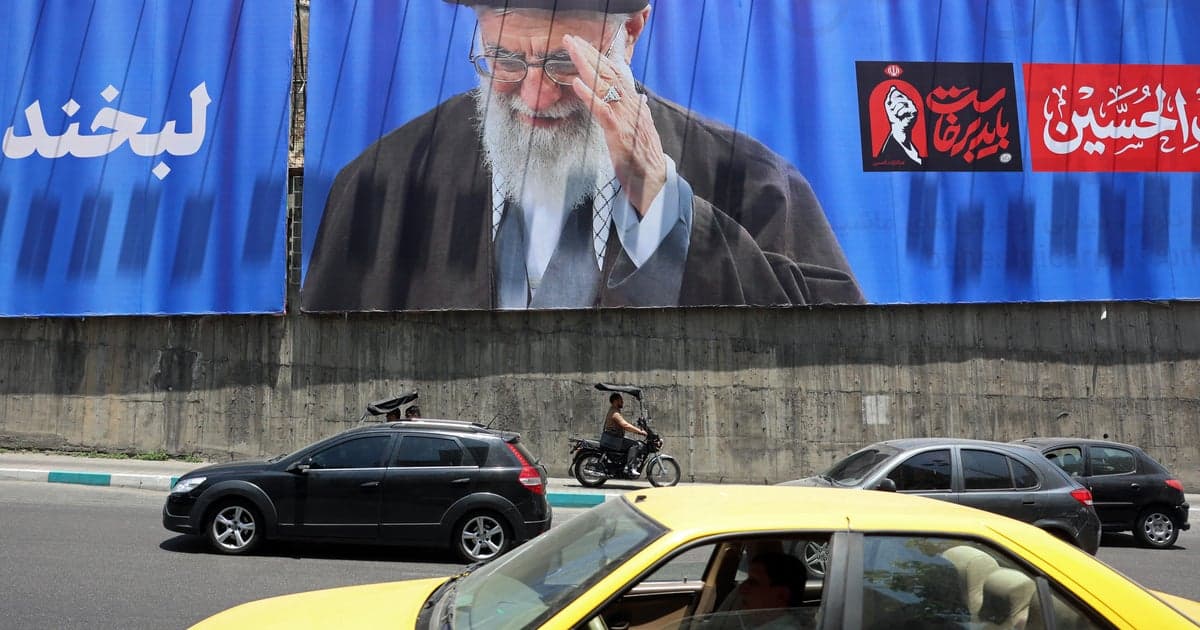
China and Japan Offer Conflicting Accounts of Island Confrontation
China and Japan trade opposing versions of a maritime incident near the disputed Senkaku Diaoyu islands, increasing the risk of miscalculation in a fraught region. The encounter arrives amid heightened tensions after recent Japanese political comments about possible military responses related to Taiwan, drawing attention from capitals across Asia and beyond.

Chinese and Japanese authorities are issuing sharply different accounts of a maritime confrontation that unfolded today near the disputed Senkaku Diaoyu islands in the East China Sea, underscoring the danger posed by routine encounters in one of Asia Pacifics most sensitive flashpoints.
China’s Coast Guard says it expelled a Japanese fishing vessel from waters Beijing asserts as Chinese, describing the action as enforcement of its maritime claims. Japanese officials present a contrasting picture, saying their maritime agencies drove off two Chinese coast guard ships that were approaching a Japanese boat operating under Japanese administration. The competing narratives make it difficult to establish a clear sequence of events and heighten the prospect of further incidents.
The Senkaku islands are administered by Japan but claimed by China under the name Diaoyu. Sovereignty over the rocks remains unresolved and the waters around them are a frequent scene of confrontations between Chinese and Japanese vessels. Encounters are often framed differently in Beijing and Tokyo according to their respective legal and political positions, yet the practical risks are the same. Ships operating in close quarters can collide, communications can fail, and national audiences can demand robust responses, all of which increase the odds of unintended escalation.
The incident comes at a sensitive moment. Recent comments by some Japanese political figures that linked possible military responses to contingencies involving Taiwan have already stoked concern in Beijing and among regional neighbors. That rhetoric has contributed to a climate in which maritime warnings or maneuvering can be read as deliberate provocation rather than routine enforcement.
Under international law, including the United Nations Convention on the Law of the Sea, coastal states have rights and obligations, but sovereignty disputes are not settled through unilateral enforcement. The overlap between claims and the presence of coast guard vessels rather than naval warships complicates legal assessments and political signaling, because coast guard forces often operate under a law enforcement rubric even as they project state authority.
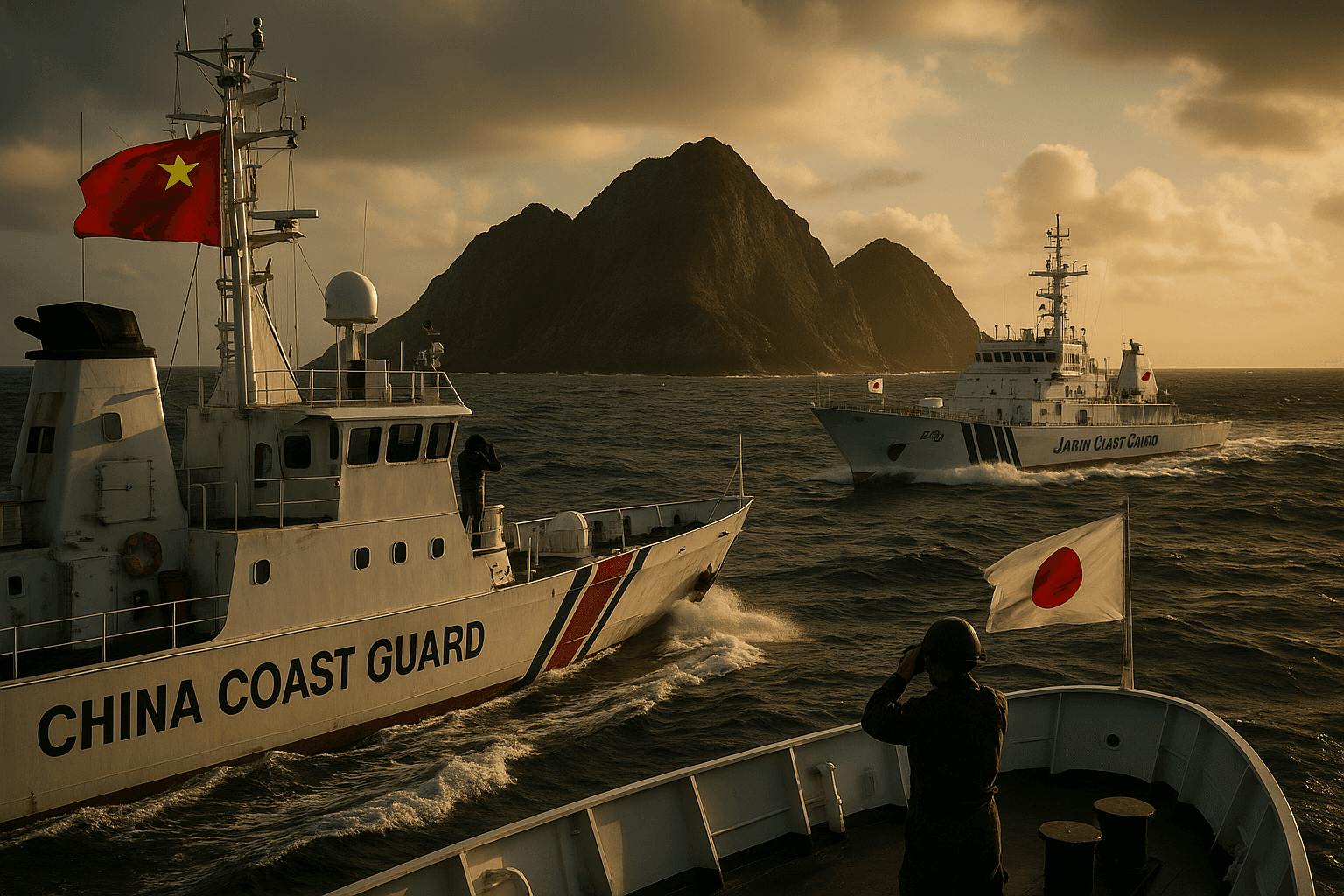
For Tokyo the immediate priority will be protecting vessels and asserting administrative control of waters around the islands. For Beijing the priorities include asserting sovereignty claims and deterring what it views as unilateral moves that change the status quo. Both sides have incentives to avoid a larger confrontation, yet domestic politics and national narratives can push leaders toward firmer stances.
The United States has long said that its security treaty with Japan covers territories under Japanese administration, a posture that has contributed to regional calculations and has been a point of contention in Sino Japanese American dynamics. Neighboring capitals and multilateral forums are likely to watch closely, concerned that a localized maritime incident could ripple into broader diplomatic and security tensions.
Diplomats in Tokyo Beijing and Washington are expected to seek clarifying exchanges through established channels to reduce the immediate risk of misstep. Analysts caution that without clearer mechanisms for crisis communication and restraint at sea the pattern of competing accounts could produce a cycle of escalation that outpaces diplomatic control.
This article was produced by Prism’s automated news system from verified source data, official records, and press releases, then run through automated quality and moderation checks before publishing. The system is built and supervised by the people who set the standards it runs under. Read our full AI policy.
Did this article answer your question?