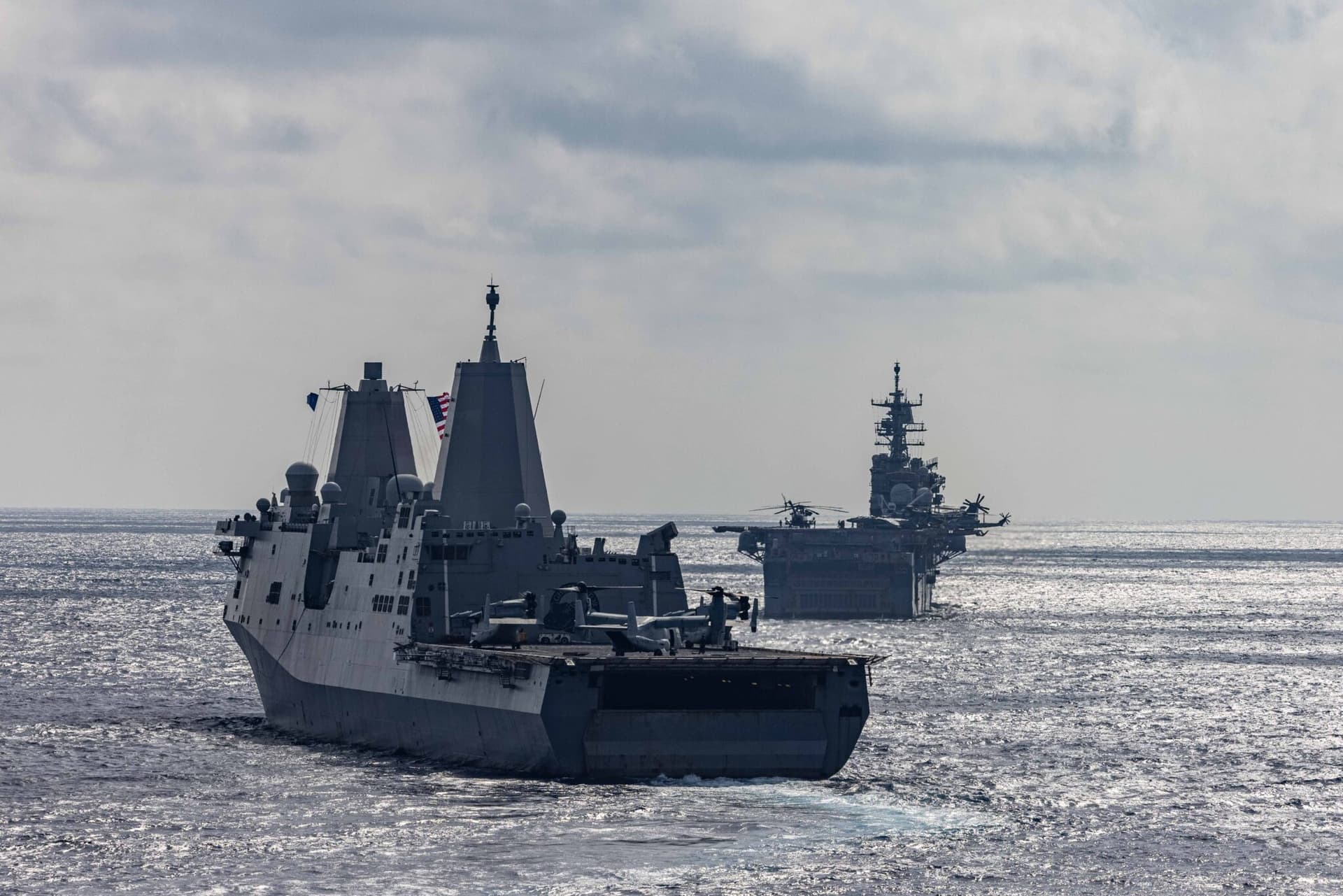
China Builds 1,000 Ships a Year; the U.S. Manages Three
America's commercial shipbuilding sector is nearly extinct while China dominates global output, creating a vulnerability that could cut the U.S. off from global goods in any conflict.
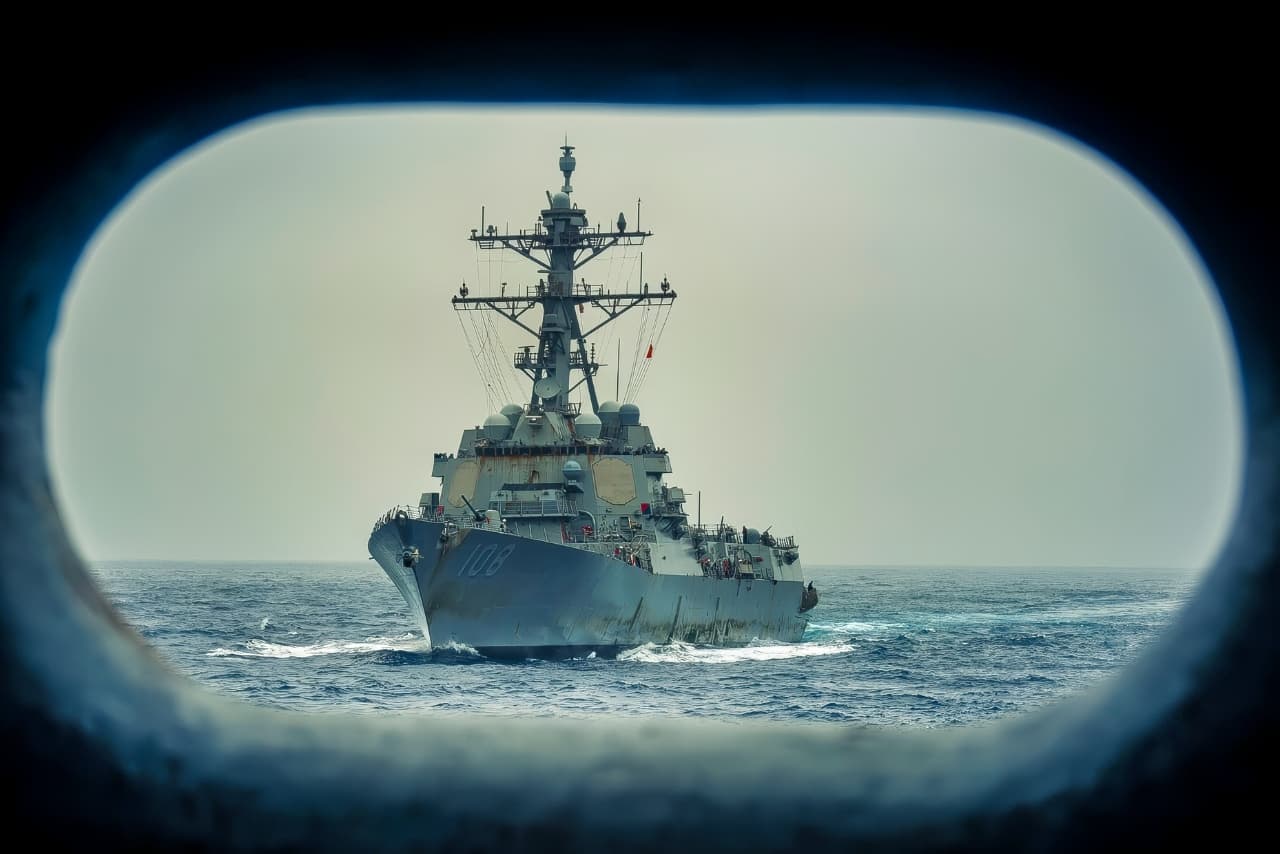
China builds roughly 1,000 cargo ships a year. The United States builds maybe three.
That stark production gap sits at the center of a widening national security debate, one the Trump administration has now formally labeled a crisis. The concern is not abstract: with a war in Iran focusing attention on cargo vessels carrying oil and gas near the Strait of Hormuz, the fragility of American maritime capacity has moved from think-tank reports to prime-time television.
The core security argument is direct. If conflict with China escalates, Beijing could weaponize its substantial merchant fleet and cut the United States off from global goods. A country that cannot build commercial ships cannot quickly replace the vessels it loses, redirect supply chains, or sustain a war economy dependent on seaborne trade.
The U.S. Navy faces parallel pressure. The fleet, which peaked at 568 ships in fiscal year 1987 under the Reagan administration, has fallen to roughly half that Cold War strength. A growing maintenance backlog compounds the decline, creating capacity shortfalls across the Navy's full range of missions: forward presence, deterrence, sea control, power projection, maritime security, and humanitarian operations. The submarine-building program, a cornerstone of undersea deterrence, has been characterized as sluggish. Despite bipartisan congressional support and sustained funding to grow the fleet, the U.S. shipbuilding enterprise has been unable to provide ships at scale, at cost, or on time.
American shipbuilding reached this condition through decades of shortsighted policies and neglect. The commercial sector is now nearly extinct, leaving the United States dependent on foreign yards for the cargo capacity that underpins both its economy and its military logistics.

One significant industrial bet is now underway in Philadelphia. South Korean defense and shipbuilding conglomerate Hanwha plans to invest $5 billion at the Philadelphia shipyard and has already sent 50 trainers from Korea to teach American workers the craft. David Kim, speaking on behalf of the project, laid out an ambitious trajectory. "Our aspiration is to get to up to 20 ships a year here at the shipyard," he said. Asked how the facility would look in two years, Kim was specific: "You'll see robots. You will see automation equipment. And we're looking to grow the workforce by, call it, 7,000 to 10,000 people."
The Hanwha investment represents the kind of foreign-capital, technology-transfer model that Washington may need to embrace broadly, given how far domestic capacity has eroded. South Korea, alongside China, has built the industrial infrastructure and workforce pipelines that the United States dismantled over decades.
Policy analysts are clear that no single intervention will reverse the damage. The shipbuilding challenge cannot be resolved with a single policy solution, and fixing any one underlying problem does not guarantee meaningful improvement across the system. Rebuilding capacity will require years of sustained investment, coordination between government, industry, and labor, and a willingness from policymakers to test unconventional approaches.
The Philadelphia yard is a starting point, not a solution. Closing a gap of roughly 997 ships per year will take far more than one revitalized facility and one foreign partner's training program.
Know something we missed? Have a correction or additional information?
Submit a Tip