China coal mine blast kills 90, rescue efforts continue
A gas blast at the Liushenyu coal mine killed at least 90 workers, with 247 underground and carbon monoxide levels above limits as rescue crews kept searching.

A gas explosion at the Liushenyu coal mine in Shanxi province killed at least 90 people and left rescue teams racing through one of China’s deadliest mining disasters in years. The blast hit late Friday evening, around 7:29 p.m. local time, deep in Qinyuan county in Changzhi city, where 247 workers were underground or on duty at the time.
State media first reported eight deaths and 38 people trapped below ground before the toll climbed sharply through Saturday. Xinhua News Agency said carbon monoxide levels in the mine had exceeded limits, underscoring how quickly a gas event can turn lethal in a coal shaft and how narrow the window is for rescue once ventilation is compromised.
The scale of the death toll has renewed scrutiny of mine-safety enforcement in China, where coal remains central to industrial output and regional employment but continues to exact a heavy human cost. The Liushenyu blast was described as the country’s deadliest mining accident since at least 2009, and the comparison is telling: Reuters cited the 2009 Xinxing mine explosion in Heilongjiang province, which killed 108 people, as the last coal disaster of similar magnitude.
Chinese President Xi Jinping ordered all-out rescue efforts and told authorities across the country to learn from the accident. He also called for stronger workplace safety and emergency preparedness as China entered flood season, a period that can add strain to already dangerous underground operations. The cause of the explosion was still under investigation.
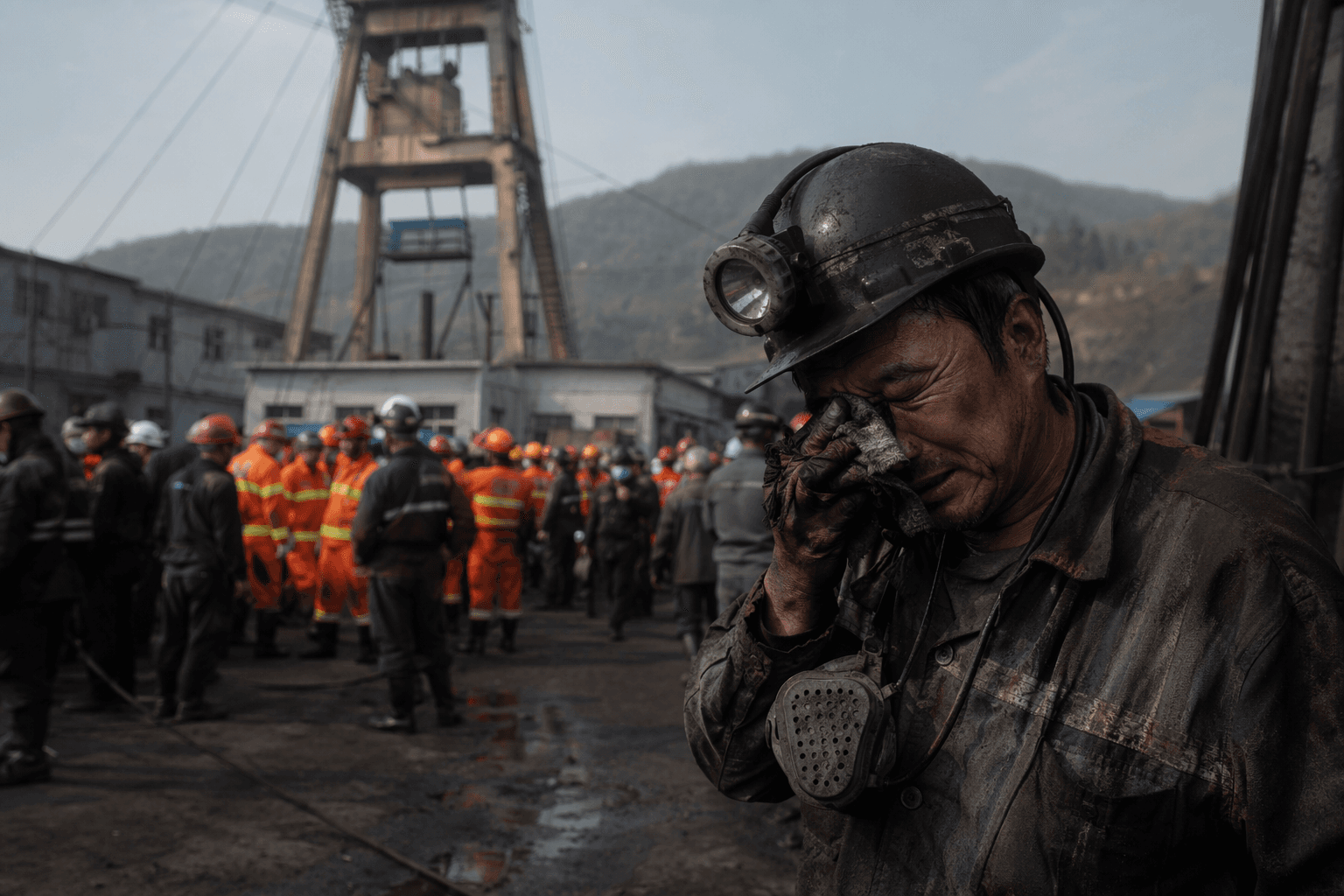
The rapid rise in the death toll, from the first reports of trapped miners to 90 confirmed dead, pointed to the difficulty of emergency response in a mine where toxic gas levels had already gone beyond safe limits. It also raised a broader question that has shadowed China’s coal sector for decades: whether repeated safety campaigns and inspections have translated into real protection for workers, or whether production pressure still outruns enforcement on the ground.
For Shanxi, one of China’s major coal-producing provinces, the disaster was more than a local tragedy. It exposed again the costs of an economy built on heavy industry, where the drive to keep fuel and power flowing still collides with the limits of mine safety and the credibility of oversight meant to prevent exactly this kind of catastrophe.
Know something we missed? Have a correction or additional information?
Submit a Tip