Greece frees November 17 mastermind, sparking outrage from victims' families
Alexandros Giotopoulos walked out of Korydallos prison after a panel approved his 2025 bid for release, reopening wounds from 17N’s 23 killings.
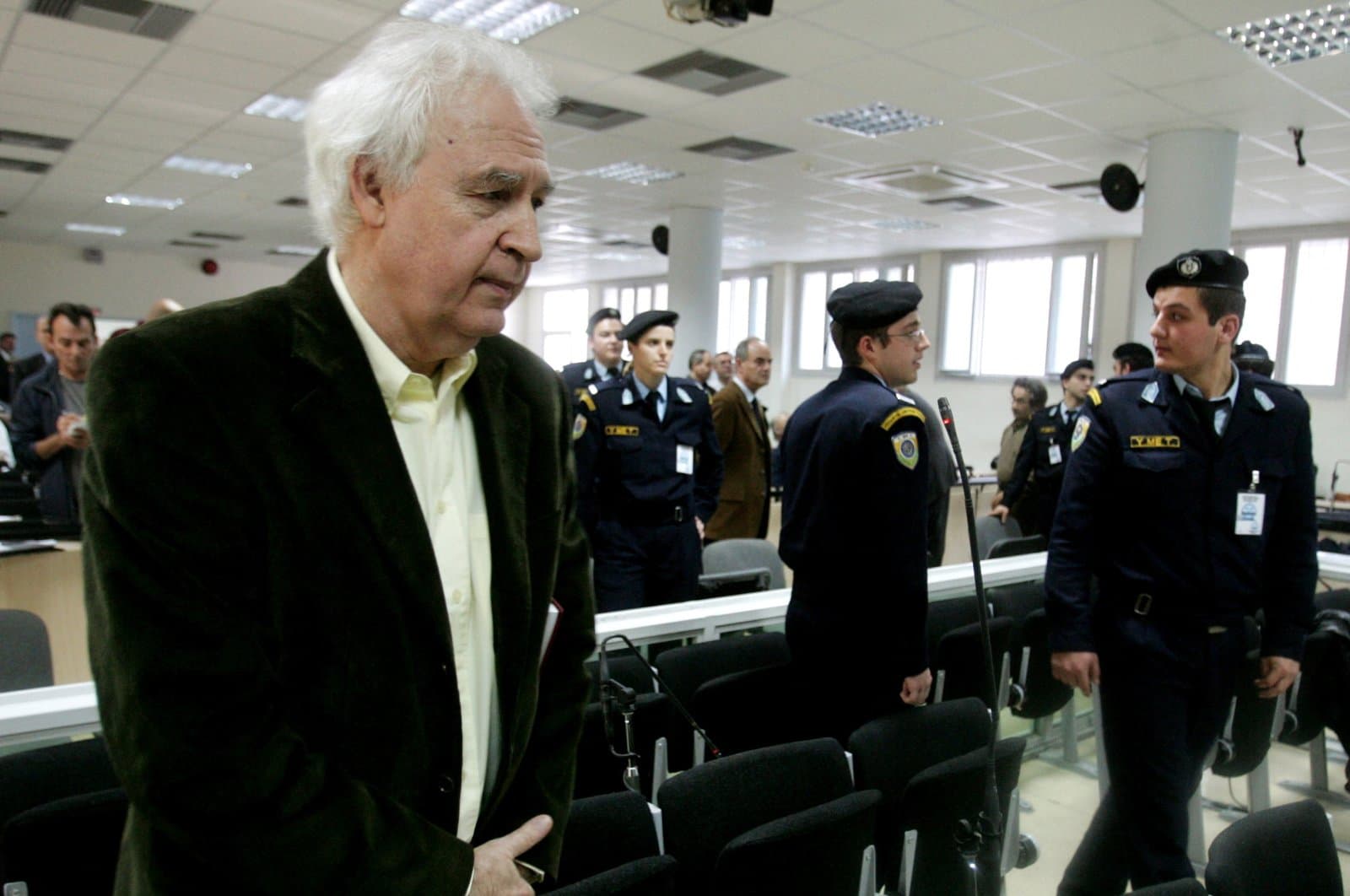
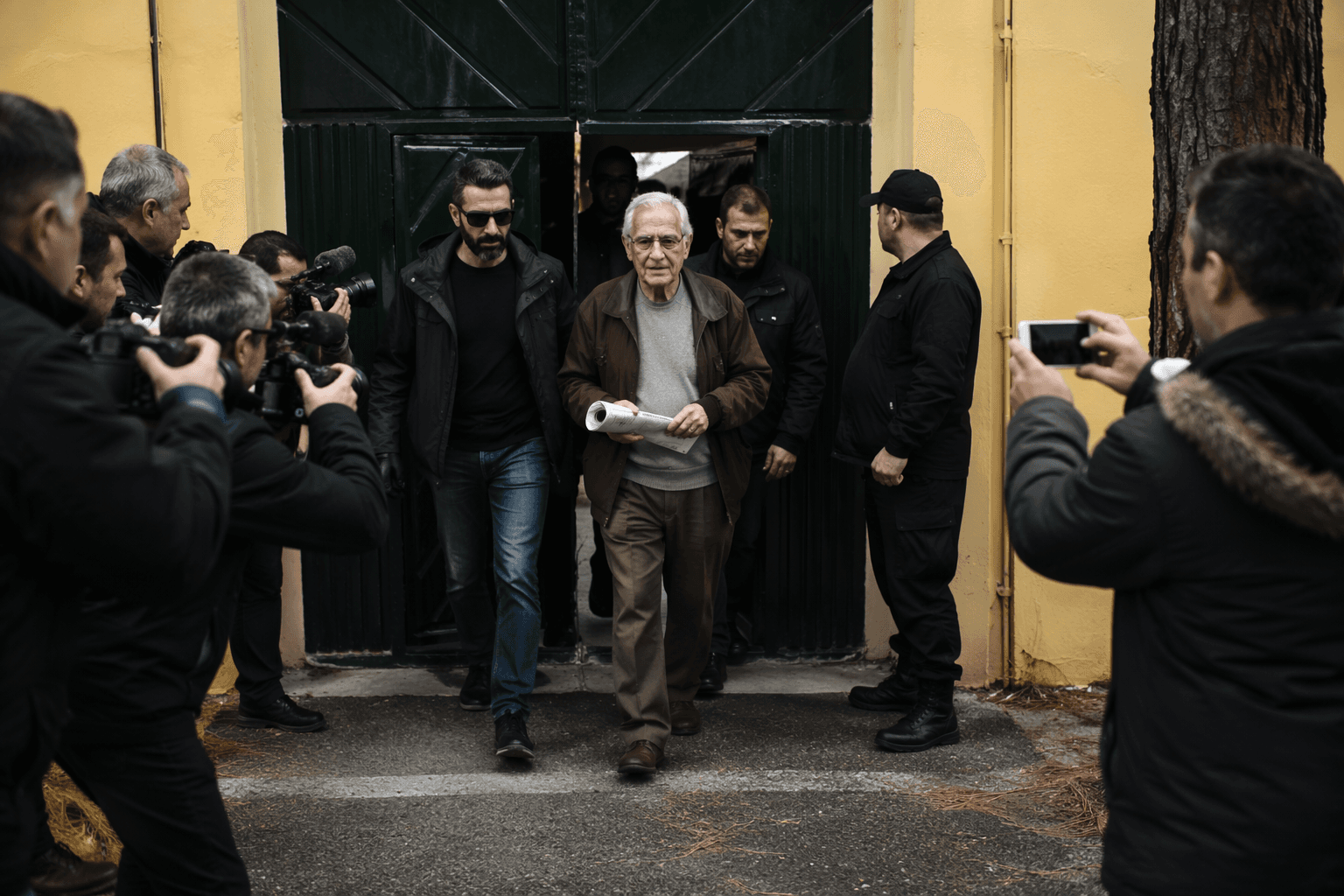
Alexandros Giotopoulos walked out of Korydallos high-security prison in Athens with Greece’s most enduring terror case still casting a long shadow. The 82-year-old, widely viewed as the ideological leader of November 17, was released after a judicial panel approved a request he filed in 2025, with media reports saying the petition cited health issues.
His freedom was not unconditional. Authorities required him to remain in Greece, live at the address he gave to officials and report regularly to a police station. But for relatives of those killed by November 17, the legal mechanism that opened the prison gate did not soften the blow. It instead revived the sense that the country’s reckoning with the group’s violence has never fully closed.
Giotopoulos was arrested in 2002 on the Aegean island of Lipsi, where he had been living under the assumed name Michalis Economou, after police dismantled the Marxist organization. He was convicted in 2003 and later, on appeal in 2007, sentenced to 17 life terms plus 25 years in prison. Prosecutors opposed his release, but the court ruled differently, placing the decision squarely inside the rules of Greece’s justice system even as it tore at the memories of victims’ families.
November 17, also known as 17N, emerged after the fall of the military dictatorship and took its name from the November 17, 1973 student uprising at Athens Polytechnic that was crushed by tanks. Over nearly 27 years, the group carried out at least 23 killings and attacks that killed four Americans, becoming Greece’s deadliest militant organization. Its first major attack was the 1975 assassination of Richard Welch, the CIA station chief in Athens. Its last known killing was the 2000 murder of British defense attaché Stephen Saunders.
The organization initially targeted senior Greek and foreign officials, then expanded into bombings and bank robberies in the 1980s. Among the dead were figures such as Michalis Vranopoulos, Ronald Stewart, William Nordeen and Yannis Souliotis, names still embedded in Greece’s collective memory. Authorities largely dismantled 17N in 2002 under pressure to crack down on terrorism before the 2004 Athens Olympics, but the group’s political and emotional legacy never disappeared.
For the families of those killed, Giotopoulos’s release is more than a procedural outcome. It is a fresh wound tied to a national history of assassination, impunity and unfinished grief, a reminder that even after the guns fall silent, the law can reopen old trauma as easily as it can close a case.
Know something we missed? Have a correction or additional information?
Submit a Tip

_updates.jpg&w=1920&q=75)