China cuts oil imports, easing global prices after Iran war
China’s crude imports fell to 33 million tons in May, their lowest since October 2017, helping keep oil prices from surging after the Iran war.

China’s pullback in crude buying helped keep a lid on global oil prices, a move that could eventually filter through to U.S. gasoline costs even as Beijing imported less oil. In May, China’s crude imports fell to about 33 million tons, or roughly 7.8 million barrels a day, the lowest level since October 2017, as refiners leaned on inventories and cut runs to avoid losses.
That mattered because China is the world’s largest oil buyer and, in 2025, averaged about 11.6 million barrels a day of crude imports, a record pace that had made its demand a central force in the market. This year was different. As the war with Iran squeezed Gulf supply, China used export curbs, refinery output cuts and inventory drawdowns to absorb part of the shock instead of adding to it. Analysts said that shift acted like a pressure valve just as the Strait of Hormuz, through which about a fifth of global oil supply usually moves, remained largely closed for a third month.
The disruption was severe. Reuters reported the conflict removed about 14 million barrels per day of oil from the market from suppliers including Saudi Arabia, Iraq, the United Arab Emirates and Kuwait. Yet oil did not spike as violently as many traders feared. Brent and other crude benchmarks were held in check by what traders described as tepid Chinese demand, along with the fact that China began drawing on reserves at about 1 million barrels a day in early May. Bloomberg also reported that Beijing started tapping commercial crude reserves to offset the supply shock.

The inventory draw is especially important because it is not just a one-time release of barrels. Ship-tracking firms and market analysts said China was expected to keep drawing stockpiles at about 1 million barrels a day in coming months, even as refiners cut imports further and maintained output curbs to minimize refining losses. Weak domestic fuel demand, growing fuel stockpiles and faster electric-vehicle adoption have reduced underlying oil consumption, giving Chinese refiners less reason to chase barrels from the Gulf.
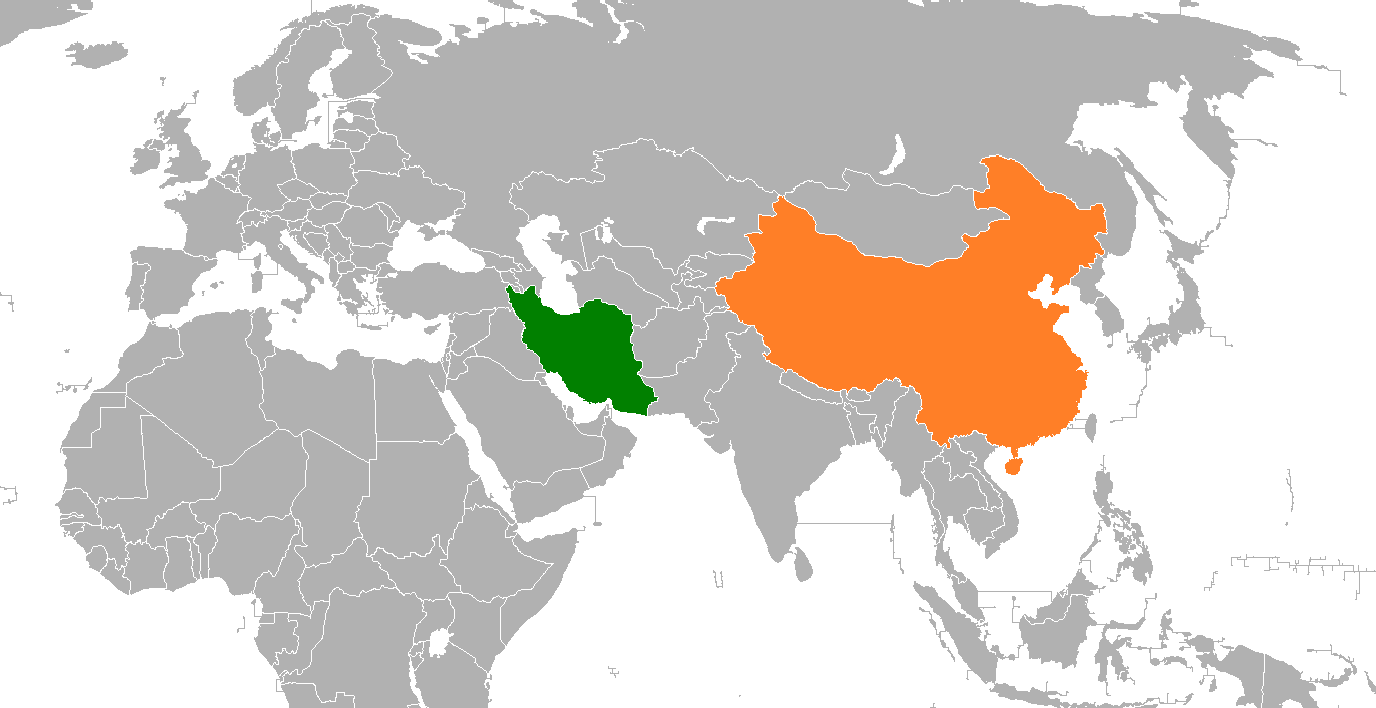
The market has already felt the effect. OPEC’s June 2026 Monthly Oil Market Report put its Reference Basket at $114.55 a barrel in May, underscoring how tight the market remained even with China buying less. The broader message for traders is clear: when Beijing slows imports or taps inventories, it can move global supply-demand balances in a way that reaches far beyond China, from Asian benchmark prices to the cost of filling up in the United States. But analysts warn the cushion may not last if inventories are drawn down too far or if demand and prices reset higher.
This article was produced by Prism’s automated news system from verified source data, official records, and press releases, then run through automated quality and moderation checks before publishing. The system is built and supervised by the people who set the standards it runs under. Read our full AI policy.
Know something we missed? Have a correction or additional information?
Submit a Tip