Shipowners seek security guarantees before resuming Strait of Hormuz transits
Shipowners backed the Hormuz reopening deal but said mines and missing security details kept vessels away. Only one visible cargo had moved, the LNG tanker Disha.
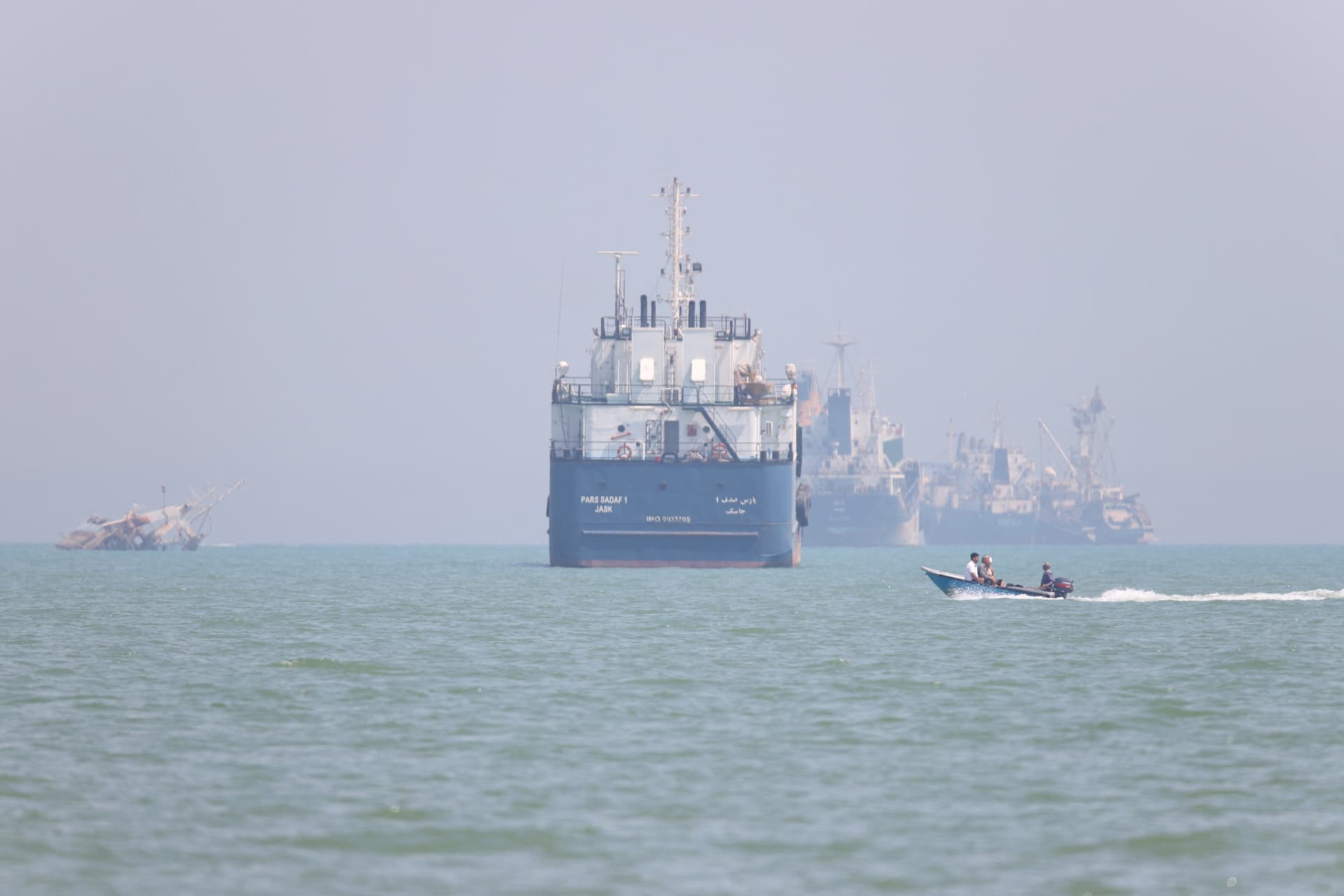
Shipowners greeted the U.S.-Iran agreement to reopen the Strait of Hormuz with relief, but not with enough confidence to send hulls back immediately. The deal was still only a framework, key terms were not yet clear, and the central question for maritime operators remained the same: whether the waterway was merely open on paper or genuinely safe for traffic again.
The memorandum of understanding was scheduled to be formally signed on Friday in Switzerland, but the commercial response was cautious from the start. The framework reportedly called for an immediate and permanent end to military operations on all fronts, including in Lebanon, while talks on Tehran’s nuclear programme were pushed back. Shipping groups said that left too many unanswered questions, especially with mines still a live concern after the war began on February 28 and largely shut shipping through the strait.
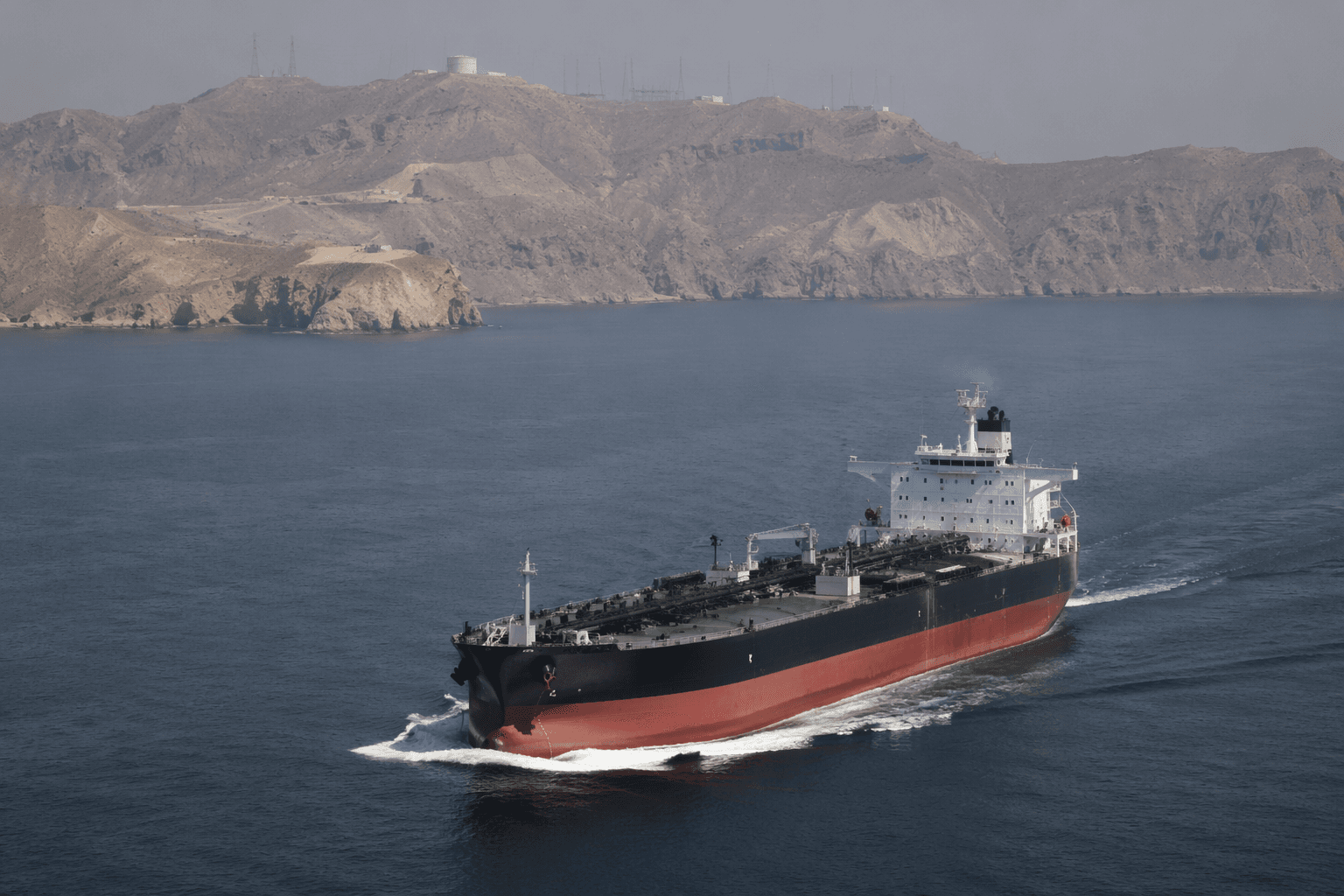
That hesitation matters because the Strait of Hormuz carries roughly a fifth of the world’s oil and liquefied natural gas supply, along with cargoes such as aluminum and urea. The difference between a diplomatic breakthrough and real trade normalisation was visible in the traffic data. India’s Petronet sent the LNG tanker Disha through the strait on Monday, the only visible shipment tracked so far, while around 155 tankers carrying oil and chemicals were still in the Mideast Gulf area as of June 15, down from 201 at the end of May.
Japanese shippers said they wanted more concrete information before resuming transit. Nippon Yusen said it hoped operations would return to normal as soon as possible, but Mitsui O.S.K. Lines said it would not resume navigation until safety had been fully confirmed. Germany’s shipowners’ association VDR said it was “cautiously optimistic,” and Hapag-Lloyd said it hoped vessels could cross the strait this week. BIMCO was less sanguine, saying transits through Hormuz remained highly risky and that shipowners needed reassurance the route was both permitted and safe.
The market is already pricing in a return to business as usual, but owners and charterers are not behaving as though the danger has passed. Analysts said confidence could take weeks to rebuild, especially after a brief opening can be followed by renewed disruption. Frontline chief executive Lars Barstad said traffic could increase quickly if the deal proved credible, but he also said it would not immediately return to prewar levels of 130 to 140 vessels crossing each day. That gap between diplomacy and daily sailings will determine whether global shipping costs ease, or whether caution keeps freight routes and supply chains under strain.
This article was produced by Prism’s automated news system from verified source data, official records, and press releases, then run through automated quality and moderation checks before publishing. The system is built and supervised by the people who set the standards it runs under. Read our full AI policy.
Know something we missed? Have a correction or additional information?
Submit a Tip