China defends ethnic unity law with potential overseas reach
Beijing said its new ethnic unity law can reach people abroad, alarming Taiwan as the July 1 start date nears and critics warn of pressure on speech, travel and contact.
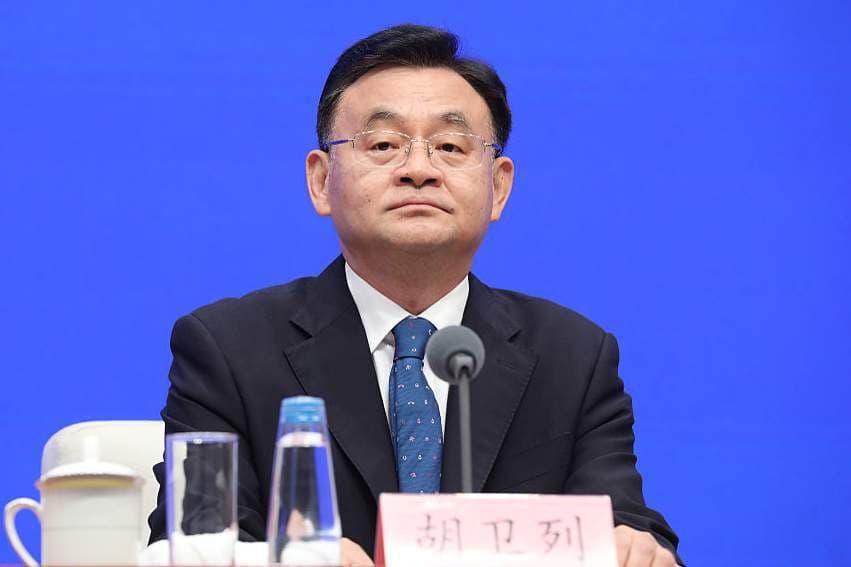
The law, adopted by China’s top legislature on March 12 and set to take effect on July 1, includes a clause in Article 63 saying organizations and individuals outside China can be held legally liable for undermining ethnic unity and progress or promoting ethnic separatism. China’s vice justice minister defended the new ethnic unity law on Wednesday, saying Beijing has the right to target people outside China who run afoul of it.
The measure is meant to build a shared national identity across China’s 55 officially recognized ethnic minority groups and the Han majority, giving the country 56 ethnic groups in total and supporting Beijing’s modernization goals through 2035.
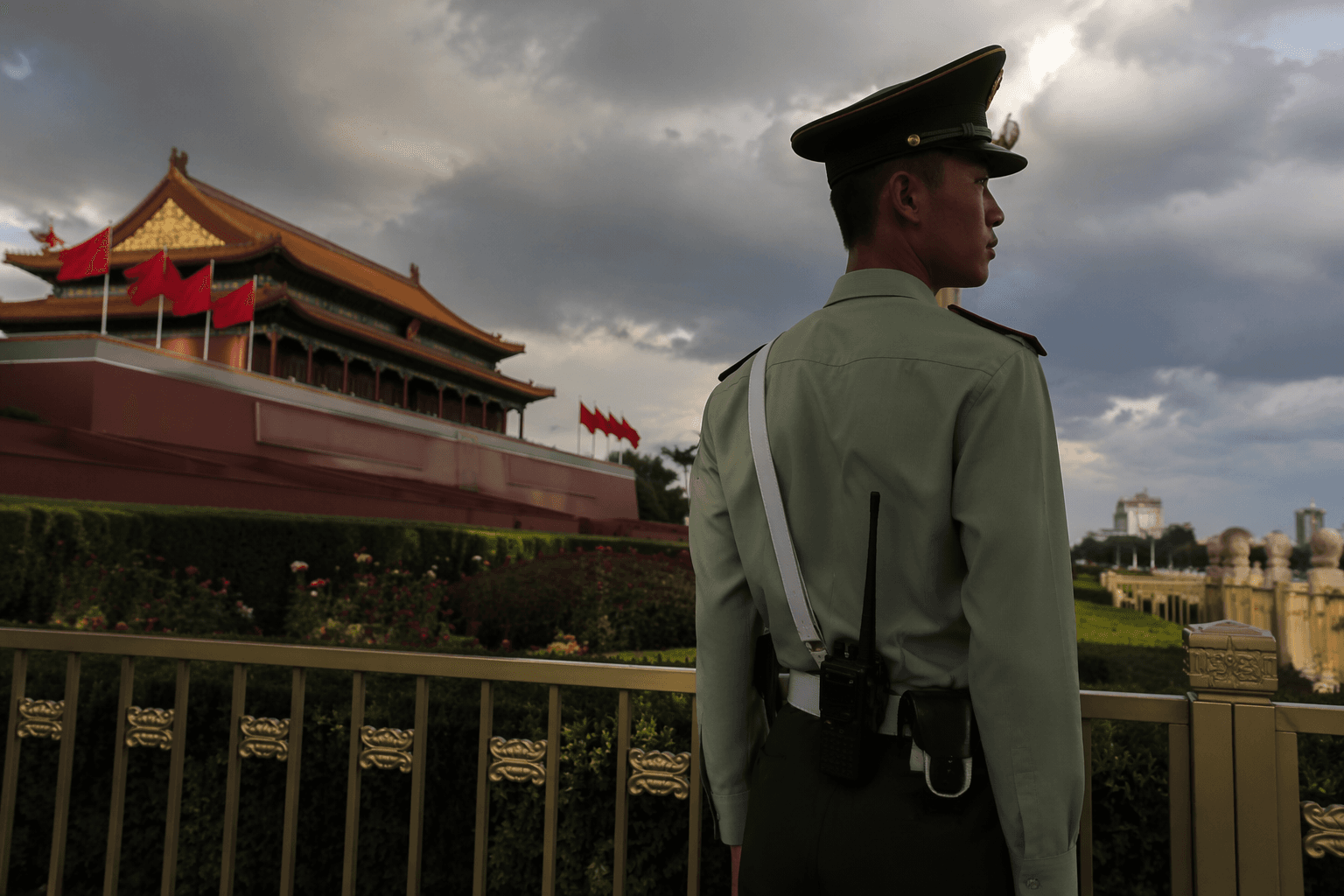
Vice Justice Minister Hu Weilie said the overseas clause was justified, lawful, necessary and consistent with international practice. It would not affect normal people-to-people exchanges, academic discussion, or economic and trade cooperation. The language of Article 63 gives Beijing a legal hook far broader than routine domestic governance, especially for people speaking about Tibet, Xinjiang or Taiwan from abroad.
The International Consortium of Investigative Journalists documented how China has used Interpol red notices and other international mechanisms to pursue dissidents and critics overseas, turning formal channels into tools of pressure far beyond its borders. Such a law deepens fears of surveillance, intimidation and travel risk for people with ties to China who live, study or work outside the country.
Mainland Affairs Council Deputy Minister Shen Yu-chung warned after the law was adopted that its language on ethnic unity and national unification could spill into cross-strait affairs. A Taiwan national security official said issues involving Taiwan’s sovereignty, reporting on human rights in Xinjiang and Tibet, and public support for Taiwan in international organizations could all be treated by Beijing as undermining ethnic unity.
This article was produced by Prism’s automated news system from verified source data, official records, and press releases, then run through automated quality and moderation checks before publishing. The system is built and supervised by the people who set the standards it runs under. Read our full AI policy.
Know something we missed? Have a correction or additional information?
Submit a Tip

