China evacuates millions as Typhoon Bavi nears Zhejiang coast
More than 1.7 million people were moved out of Zhejiang as Bavi closed in on Wenzhou, testing China’s response to back-to-back typhoons.
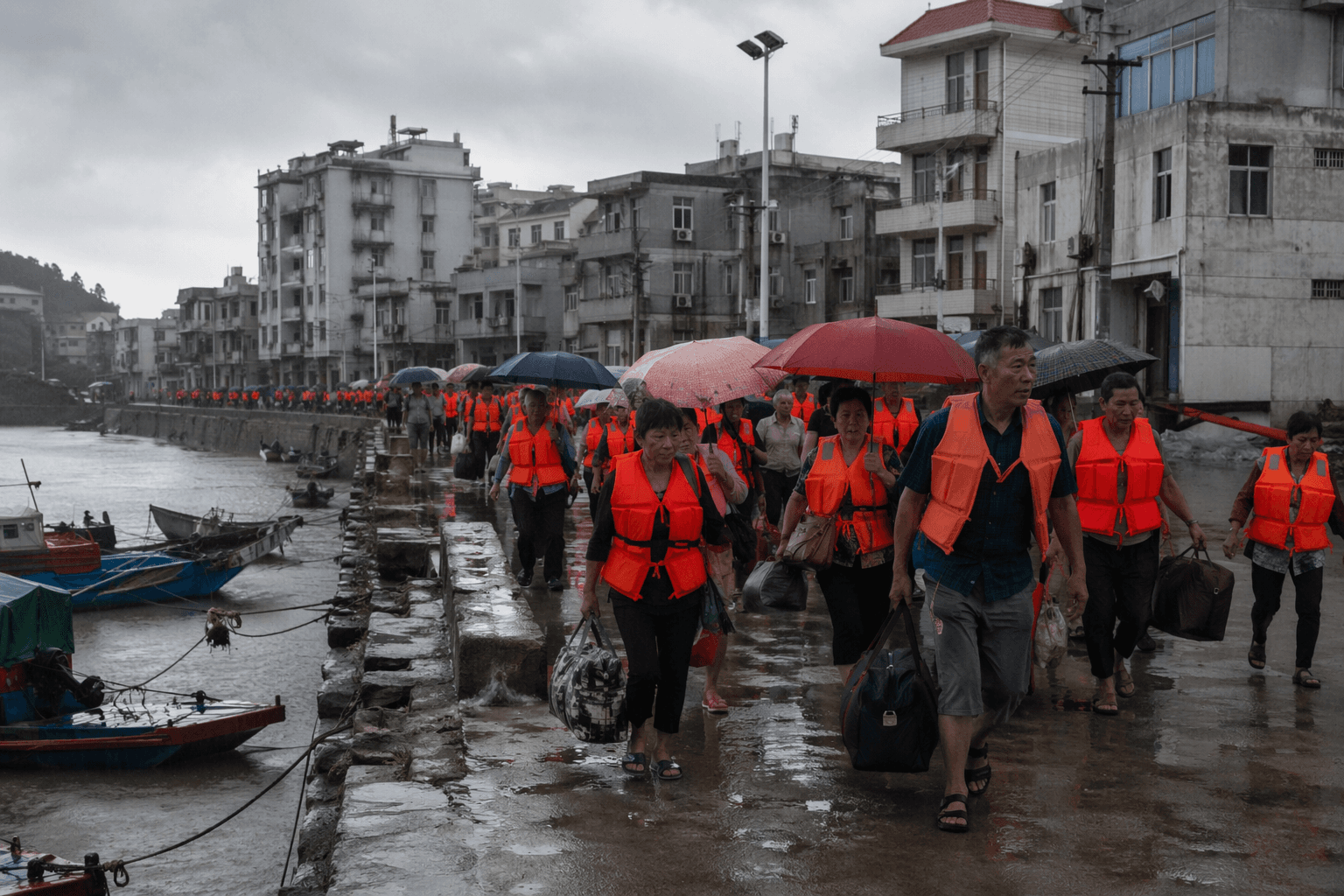
More than 1.7 million people were moved out of Zhejiang as Typhoon Bavi bore down on China’s east coast, forcing Wenzhou, a city of about 10 million, into the center of a second typhoon threat in one week. Fujian province evacuated more than 100,000 more people, lifting the nationwide total to more than 1.8 million and turning the storm into a direct test of evacuation orders, transport controls and coastal defenses.
At 10 a.m. Saturday, the China Meteorological Administration said Bavi was moving northwest at about 30 kilometers per hour and was expected to make landfall early on Sunday between Sanmen county and Cangnan county in Zhejiang. Forecasters put peak landfall winds at 33 to 40 meters per second. That track put Wenzhou, a densely populated city on the coast, close to the storm’s path and exposed to the kind of heavy rain and wind that can quickly overwhelm drainage systems, roads and emergency shelters.
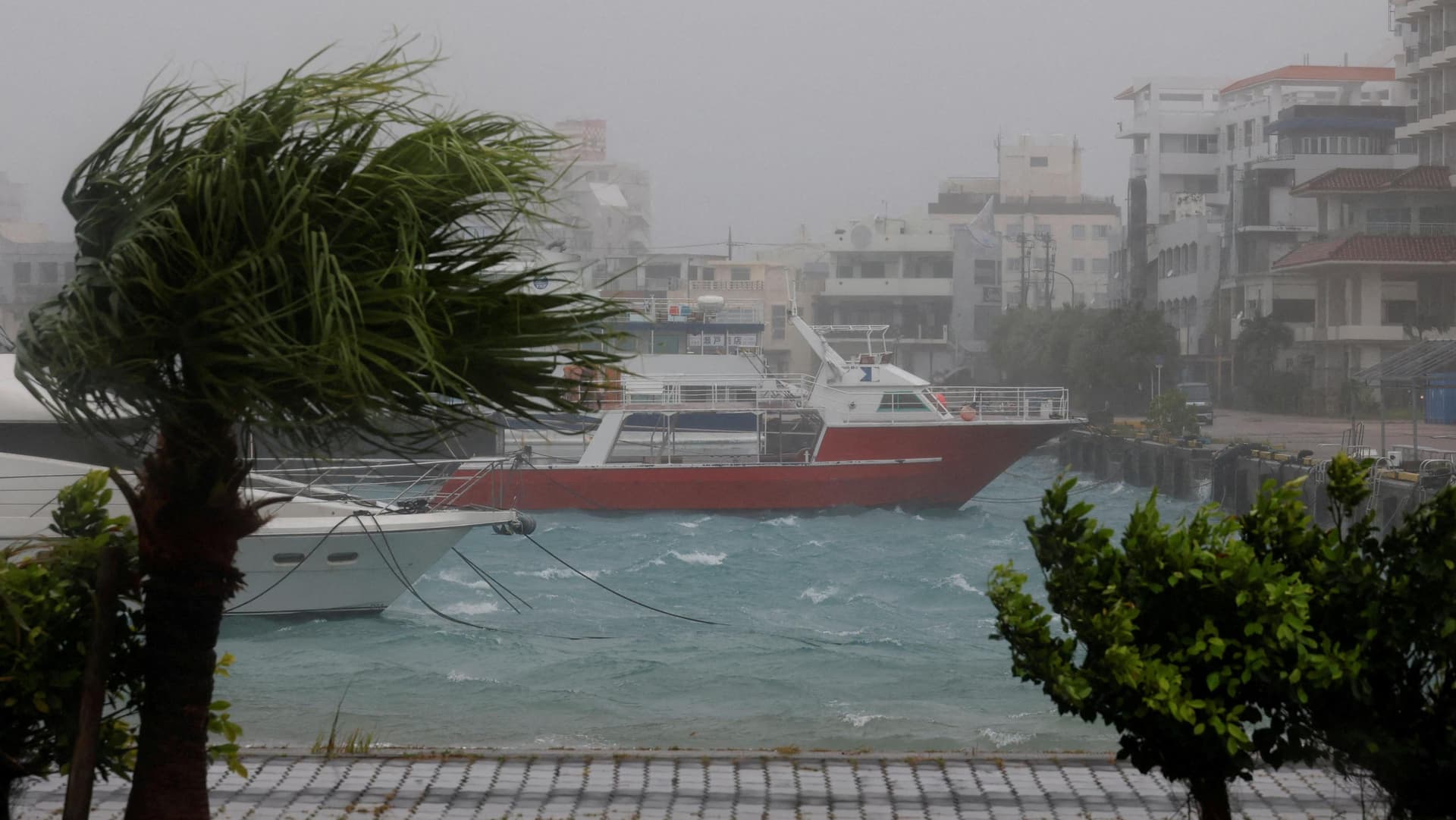
Bavi had already brought violent weather to Japan’s southern Sakishima island chain and brushed past northern Taiwan, where evacuations and transport disruptions were also reported. The storm’s size widened the risk beyond the coast, with Chinese meteorologists warning that it could deliver heavy rain over a broad area rather than a narrow landfall corridor.

The emergency response came after another severe storm shook southern China. Typhoon Maysak triggered flooding in Guangxi Zhuang Autonomous Region, including a deadly dam breach, where authorities said 39 people died and about 130,000 people were evacuated. That damage hung over the response to Bavi, which officials described as China’s second typhoon in a week and one that could compound the strain on already saturated flood defenses.
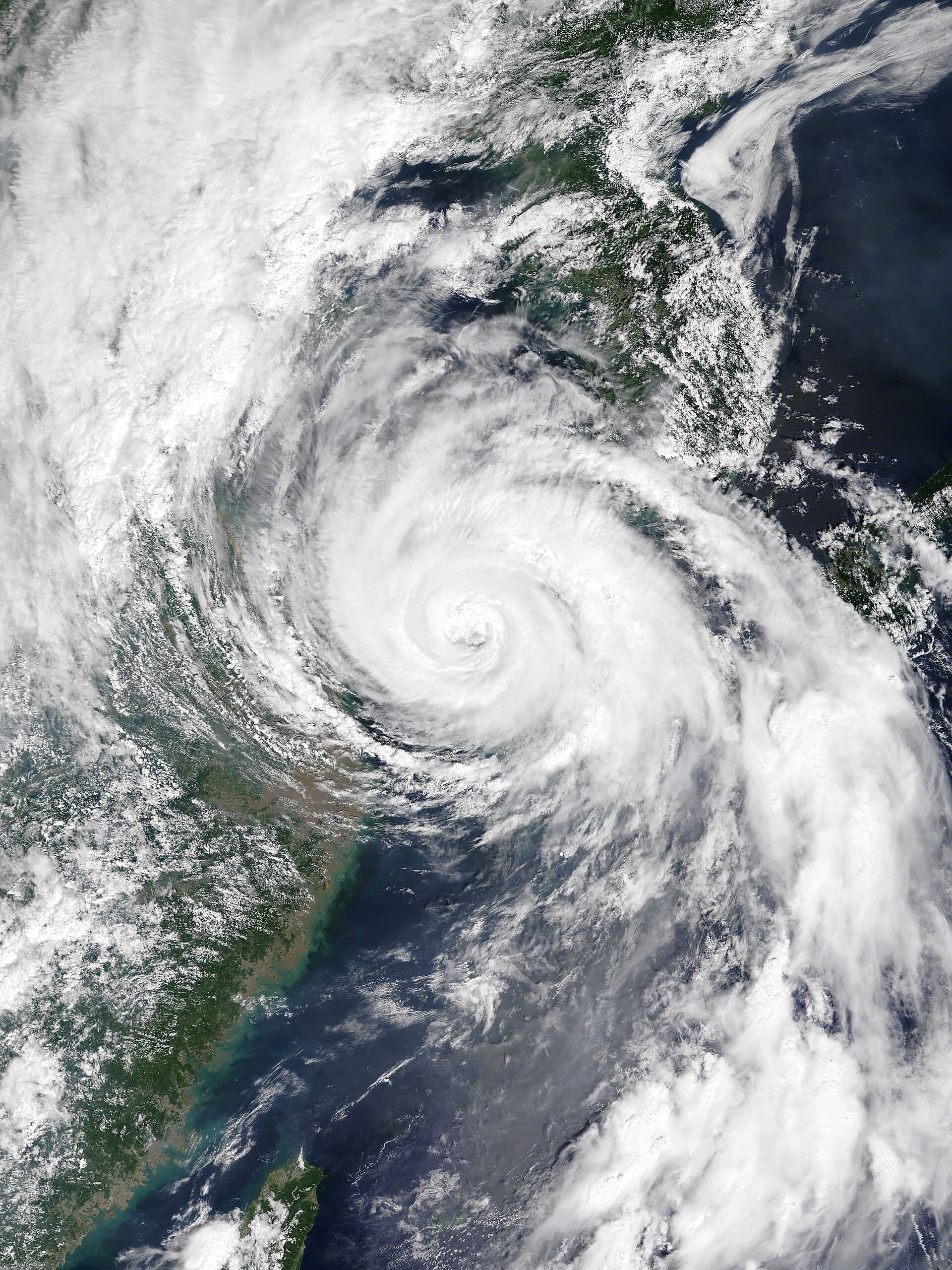
State media and meteorologists also warned that Bavi was unusually large, raising concern that the storm could spread disruption well beyond the immediate landfall zone. For Zhejiang, the evacuation of more than 1.7 million residents showed the scale of the mobilization now required to protect crowded coastal provinces, where repeated storms are forcing authorities and residents to respond to one emergency while bracing for the next.
This article was produced by Prism’s automated news system from verified source data, official records, and press releases, then run through automated quality and moderation checks before publishing. The system is built and supervised by the people who set the standards it runs under. Read our full AI policy.
Did this article answer your question?