U.S. and Iran to resume talks after Strait of Hormuz tensions
Talks were set to continue in Oman even as strikes escalated around the Strait of Hormuz. The clash raised the risk of a shipping shock while diplomacy stayed alive.
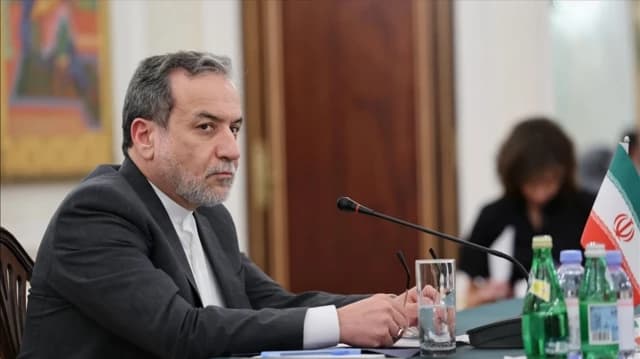
U.S. and Iranian delegations were expected to keep negotiating in Oman through mediators even after a week of intense attacks around the Strait of Hormuz, with Iranian Foreign Minister Abbas Araghchi arriving in Oman ahead of the talks. The latest push for diplomacy came as President Donald Trump said the United States and Iran had agreed to continue talks even while he declared the ceasefire over.
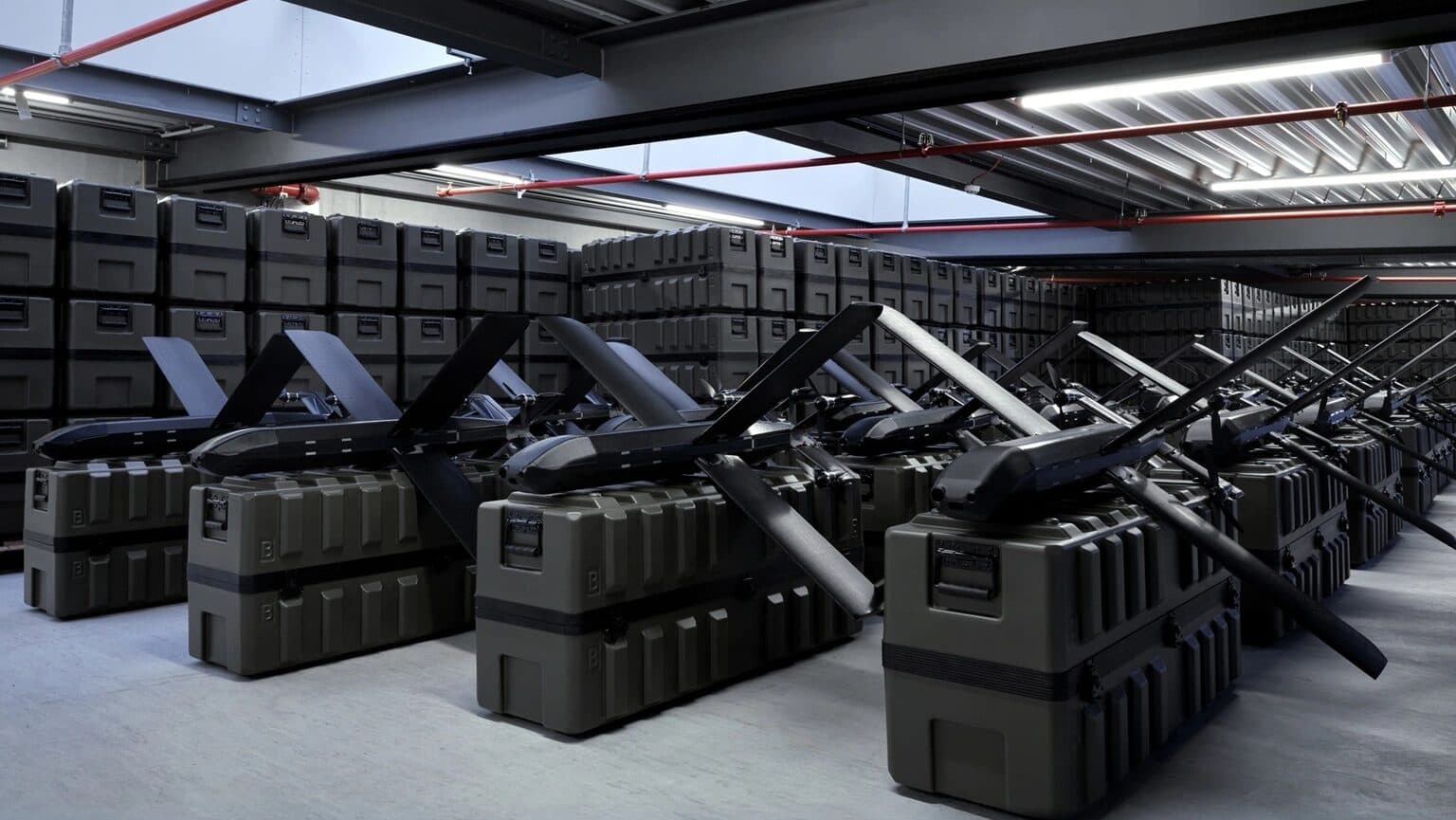
The fighting has widened the pressure on both sides to show restraint without looking weak. CBS News reported that Iran’s Ministry of Health said U.S. airstrikes across six Iranian cities killed 17 people and injured 115, while 14 surgeries were performed and 102 patients were discharged after treatment. U.S. Central Command later said it struck about 90 targets inside Iran in a second round of strikes, including missile and drone storage sites and air defense systems.
Qatar has been serving as a go-between for Washington and Tehran, a role that underscores how dependent the negotiations have become on regional intermediaries. Trump’s team has included JD Vance, Jared Kushner, Marco Rubio and Steve Witkoff, while the White House has paired the threat of more military pressure with a willingness to keep the channel open. Bloomberg has described the latest exchange as another turn in a fragile cycle of escalation and truce pressure, with force being used as leverage even as it risks undercutting the talks it is meant to strengthen.
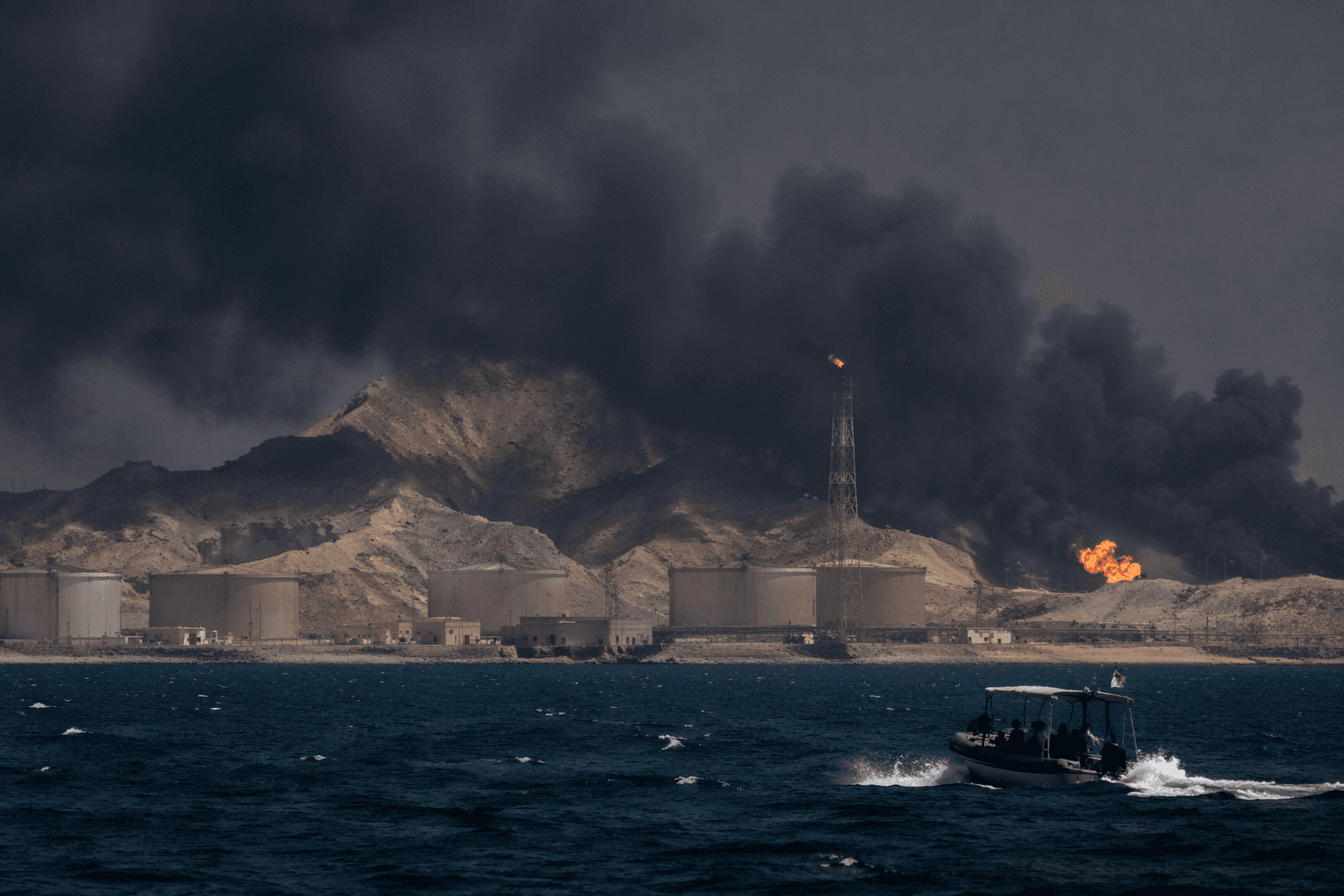
The stakes extend far beyond the bilateral dispute. The U.S. Energy Information Administration says about 20 million barrels per day of oil flowed through the Strait of Hormuz in 2024, more than one-quarter of global seaborne oil trade and about one-fifth of global petroleum liquids consumption. The International Energy Agency says roughly 25% of world seaborne oil trade transits the waterway, along with about 93% of Qatar’s liquefied natural gas exports and 96% of the United Arab Emirates’ LNG exports, making any disruption an immediate market event.
The nuclear track is moving alongside the shipping crisis. The International Atomic Energy Agency has kept up its Iran monitoring work, and Director General Rafael Grossi said inspections in Iran would go ahead as officials worked on the details. Vice President Vance has also said Iran would allow nuclear inspectors to return after an initial round of negotiations, while Iran has said real talks on the nuclear issue had not yet begun. That leaves Washington trying to manage two negotiations at once, one over enrichment and inspections, the other over whether the Strait of Hormuz stays open under fire.
This article was produced by Prism’s automated news system from verified source data, official records, and press releases, then run through automated quality and moderation checks before publishing. The system is built and supervised by the people who set the standards it runs under. Read our full AI policy.
Did this article answer your question?