China exports slow as Middle East tensions threaten AI-driven demand
China’s export rebound is losing momentum just as AI hardware demand lifts chips and servers. Iran’s Strait of Hormuz shock could yet swamp Beijing’s tech-led recovery.
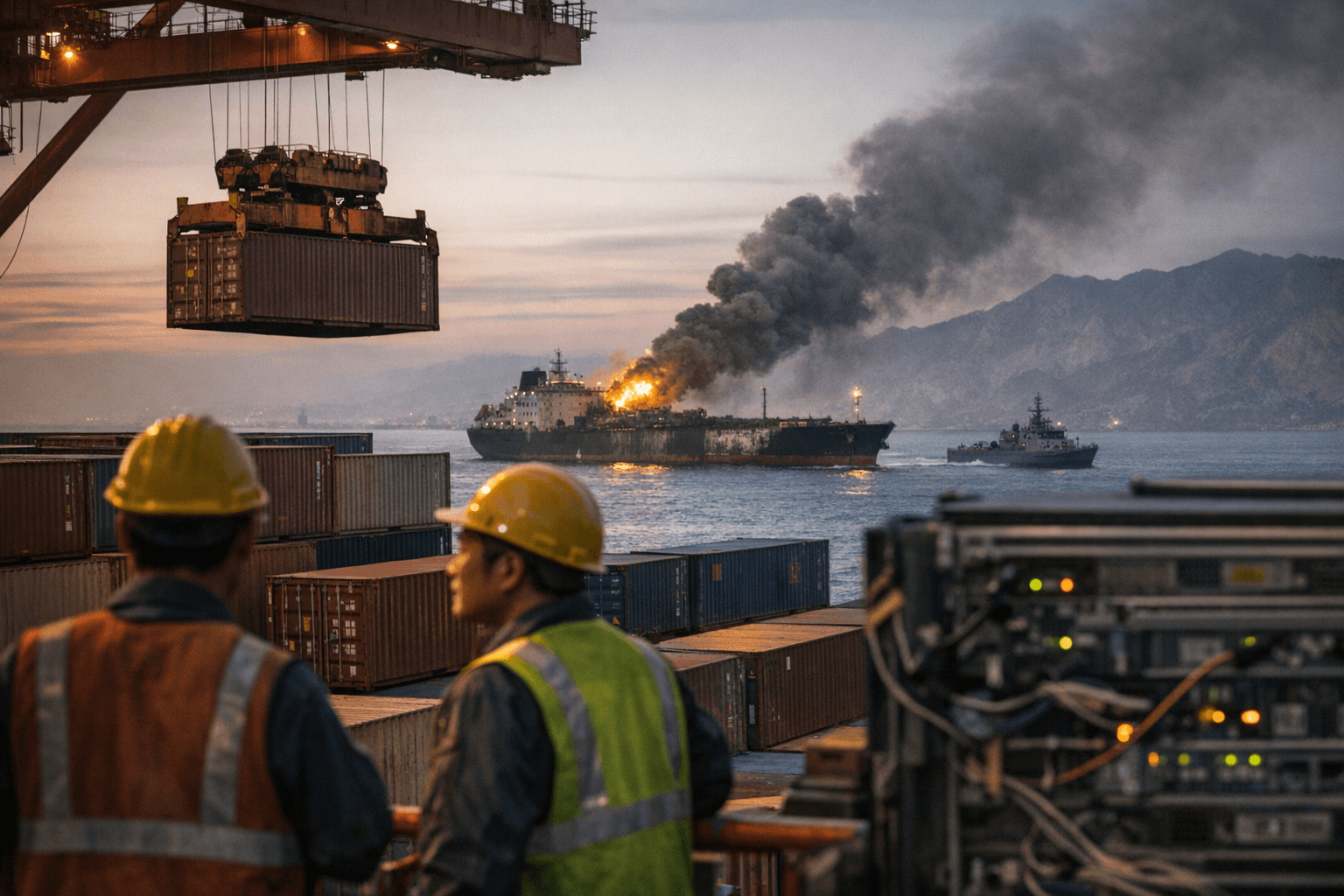
China’s export engine is cooling just as its electronics makers were counting on an AI boom to keep orders humming. Economists expect March exports to have risen 8.6% from a year earlier in dollar terms, a sharp step down from the 21.8% surge seen in January and February.
The timing is awkward for Beijing. March was the first real test of whether enthusiasm for artificial intelligence, and the chips, servers and components that come with it, could offset the gloom unleashed by the energy shock after Iran’s closure of the Strait of Hormuz. The strait carries about 20 million barrels a day of oil and oil products, roughly 20% of global petroleum liquids consumption and about one-quarter of global seaborne oil trade, according to the U.S. Energy Information Administration. About one-fifth of global liquefied natural gas trade also moves through the waterway, mostly from Qatar.
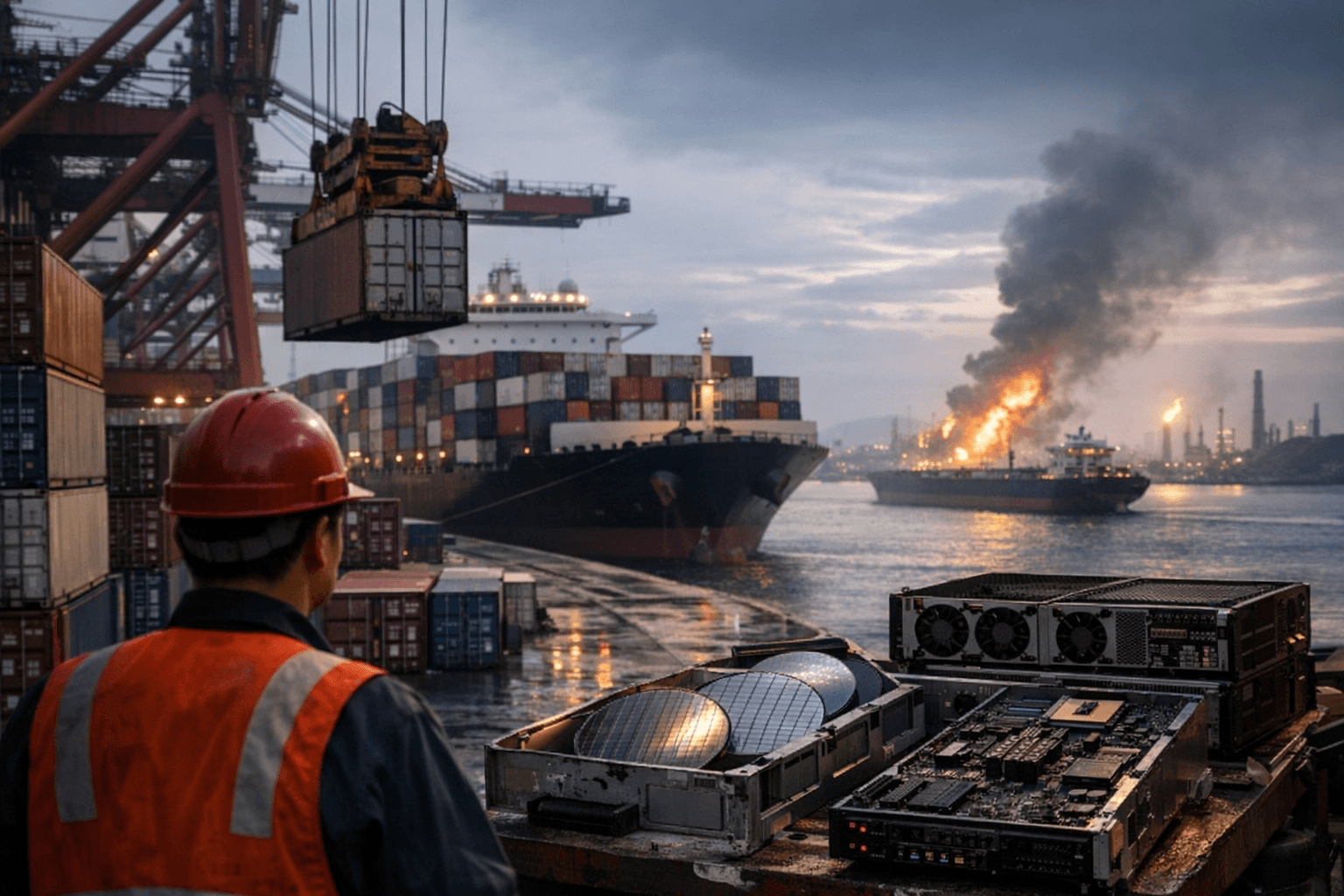
The International Energy Agency has warned that roughly 20 million barrels a day of oil, about 25% of world seaborne oil trade, passes through the strait and that about 80% of those flows go to Asia. That makes Chinese manufacturers especially exposed to any spike in energy costs, freight rates or shipping delays. The IEA said the conflict in the Middle East that began on February 28 has impeded energy trade through the strait and cut crude and refined-product export volumes to less than 10% of pre-conflict levels.
UNCTAD’s April 2026 global trade update said trade growth was still solid in the first quarter but is likely to slow in the rest of the year, with Middle East tensions and shipping disruptions in the Strait of Hormuz expected to intensify inflationary pressure and raise trade costs. For China, that matters beyond factory gates: higher fuel and logistics costs can dull export margins, weaken industrial demand and complicate the country’s effort to stabilize growth through technology-led manufacturing.
There are still signs the AI cycle is alive. South Korea’s exports to China rose 62.4% in March, led by a 151.4% jump in semiconductor shipments as memory prices improved and demand for AI servers stayed strong. But the broader picture is less reassuring. China’s imports are expected to have risen 11.2% in March, still slower than the combined January-February pace, while the trade surplus is forecast to narrow to $108 billion from $214 billion over January and February.
A high comparison base is also distorting the numbers. Factories rushed shipments earlier in the year to beat the April 2 tariff deadline announced by Donald Trump, pulling orders forward and making the March comparison look softer. That leaves China’s export outlook split between two powerful forces: an AI-fueled electronics upswing and a war-driven energy shock that could ripple through global supply chains, inflation expectations and consumer prices far beyond Asia.
This article was produced by Prism’s automated news system from verified source data, official records, and press releases, then run through automated quality and moderation checks before publishing. The system is built and supervised by the people who set the standards it runs under. Read our full AI policy.
Did this article answer your question?


