China Helped Nudge Iran Toward Two-Week Nuclear Deal With U.S.
Beijing's quiet diplomacy, including 26 calls by Foreign Minister Wang Yi, helped coax Tehran into a two-week ceasefire just before Trump's bombing deadline.
When President Donald Trump set an 8 p.m. Tuesday deadline for Iran to reopen the Strait of Hormuz or face the destruction of its power plants, the diplomatic architecture that ultimately pulled Tehran back from the brink had been quietly assembled in Beijing weeks earlier.
Just 90 minutes before Trump's deadline expired, he announced a two-week ceasefire after Iran submitted a 10-point proposal that Trump called a "workable basis" for continued negotiations. Iranian Foreign Minister Seyed Abbas Araghchi confirmed that Iran would suspend its military operations for two weeks and allow safe passage through the Strait of Hormuz during that period. The deal was brokered through Pakistan, with Pakistani Prime Minister Shehbaz Sharif inviting representatives from both nations to Islamabad, with negotiations likely to be held there on April 10.
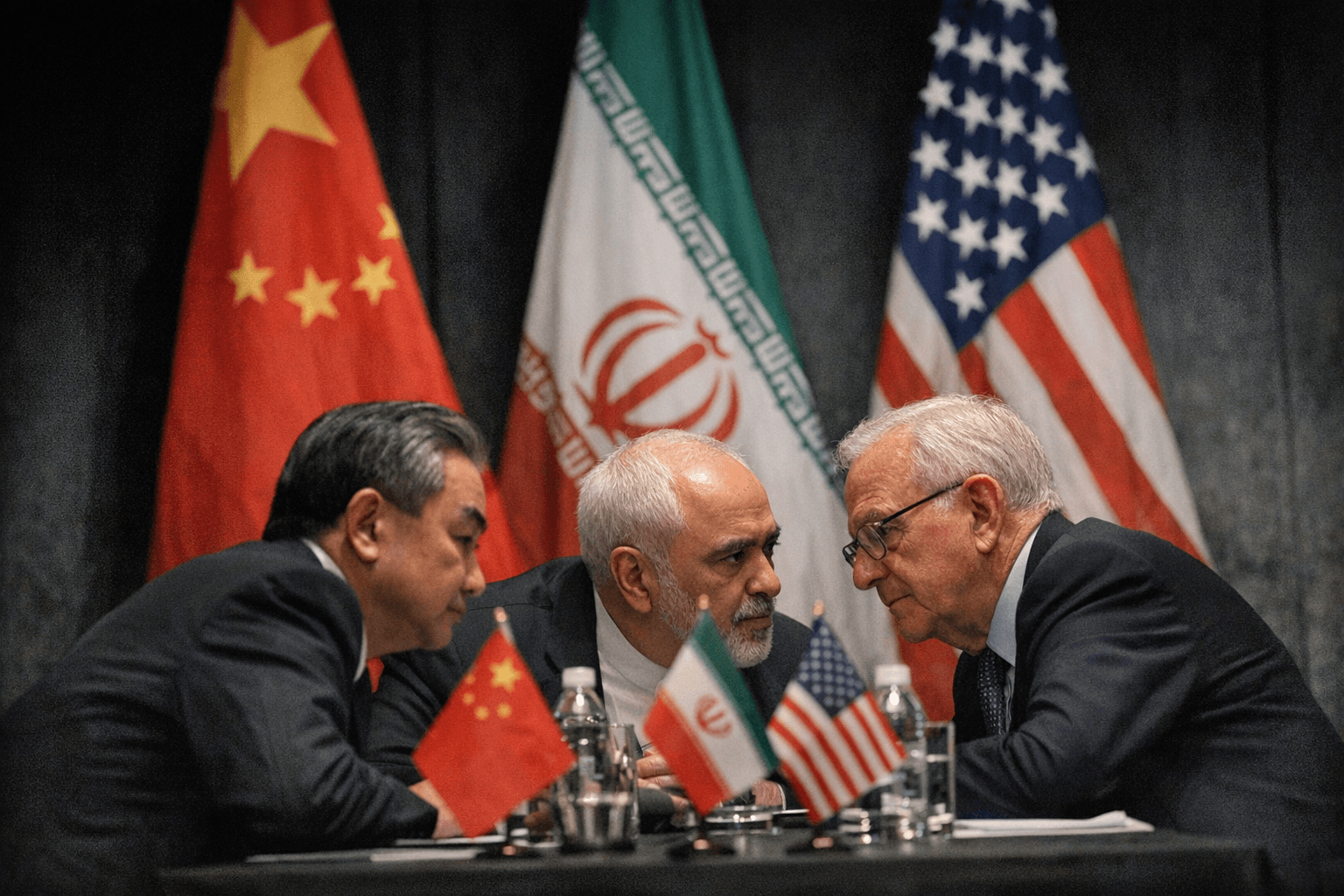
But Pakistan was not the only intermediary. Chinese Foreign Ministry spokesperson Mao Ning said Wednesday that China "welcomes the ceasefire agreement" and that China "made its own efforts," noting that Foreign Minister Wang Yi held 26 phone calls with counterparts from relevant countries. Beijing's special Middle East envoy also shuttled between Gulf nations to build support for a five-point Chinese-Pakistani peace proposal.
That groundwork had been laid on March 31, when China and Pakistan announced a five-point peace initiative after high-level talks in Beijing between Wang Yi and Pakistani Foreign Minister Ishaq Dar. The initiative called for an immediate cessation of hostilities, the swift start of peace negotiations, and urgent steps to safeguard commercial shipping routes, particularly through the strategically vital Strait of Hormuz.
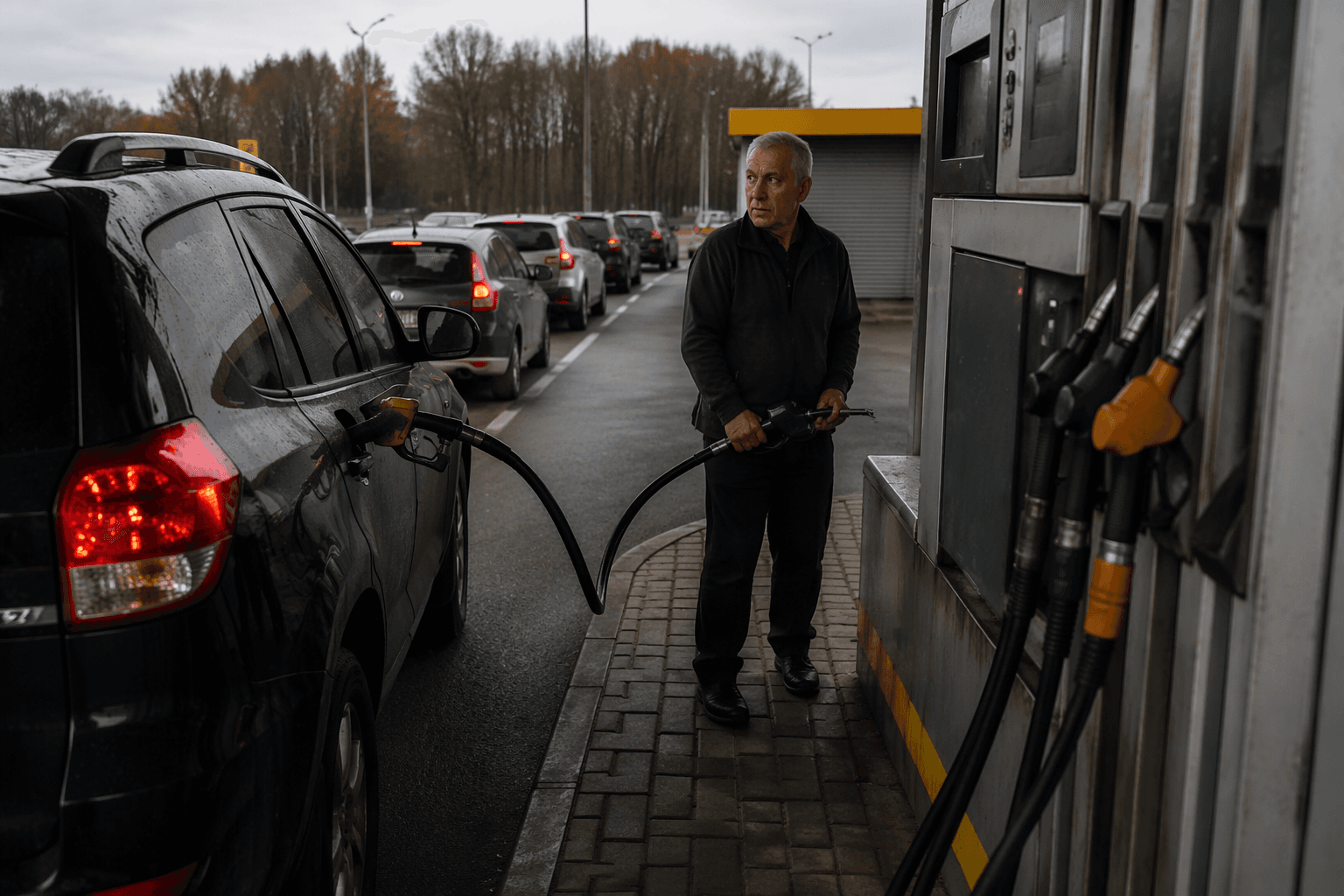
China's motivation was not purely diplomatic altruism. China imports more than 10 percent of its global total oil from Iran, and Iran has blocked most oil transit through the Strait of Hormuz since the U.S. and Israel began the war in late February, leading to a historic oil supply shock that quickly sent global energy prices soaring. Beijing's leverage over Tehran runs in both directions: China has been the only JCPOA party able to give Iran an economic lifeline in the face of U.S. secondary sanctions, a position that has granted Chinese officials unique leverage. With sanctions waivers for Iran and Russia, Beijing has been locking in oil imports amid global chaos, boosting its economy while rivals pay premiums.
Iran signaled its awareness of that dependency even before the ceasefire. On March 26, Araghchi announced that ships owned by five nations, including China, Russia, India, Iraq, and Pakistan, would be allowed to transit the Strait of Hormuz while the blockade remained in place for others. It was a selective exemption that underscored which relationships Tehran was most careful to protect.
A source with knowledge of the talks told Axios that China had been helpful in efforts to reach a deal. The characterization was careful, but the footprint of Chinese diplomacy was visible throughout: the joint peace plan with Pakistan, Wang Yi's relentless phone diplomacy, and the economic pressure Beijing could quietly apply to a sanctions-isolated Tehran that has few other buyers for its crude.
The ceasefire resets the landscape for U.S. influence in the region. Washington achieved the immediate military objective of reopening the Strait, but the deal's architecture, running through Beijing and Islamabad rather than through American channels, signals a shift in who holds credible sway with Tehran. If the closure of the strait had lasted months, placing China's oil imports under sustained stress, Beijing may have been pushed to take more forceful action, potentially aligning with major oil consumers and producers to pressure Washington for a ceasefire. That Beijing acted before being pushed that far suggests it saw a strategic opportunity as much as a crisis to manage.
This article was produced by Prism’s automated news system from verified source data, official records, and press releases, then run through automated quality and moderation checks before publishing. The system is built and supervised by the people who set the standards it runs under. Read our full AI policy.
Did this article answer your question?