China leaves benchmark loan rates unchanged for 11th straight month
China held key lending benchmarks unchanged for an 11th month, signaling Beijing thinks growth is holding up even as housing and debt risks linger.
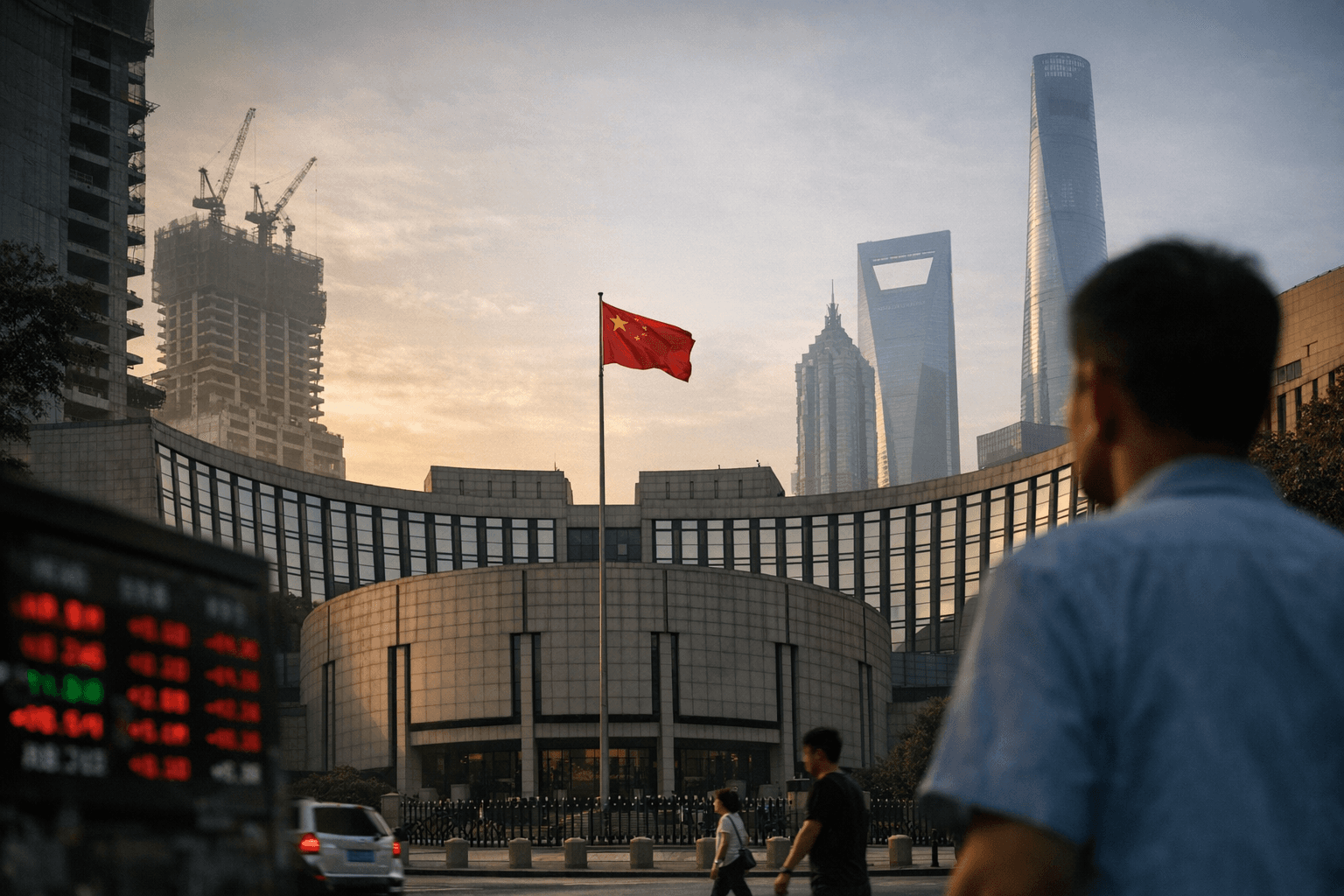
China kept its benchmark lending rates unchanged for an 11th straight month, leaving the one-year loan prime rate at 3.00% and the five-year rate at 3.50% and signaling that Beijing is not ready to deliver fresh stimulus while the economy still shows pockets of resilience.
The decision matters because the one-year rate helps set the floor for corporate borrowing, while the five-year rate is the main reference for mortgage pricing. By holding both steady, the People’s Bank of China left borrowing costs in place for companies, homebuyers and developers, a clear sign that officials are preferring patience over an immediate policy push.
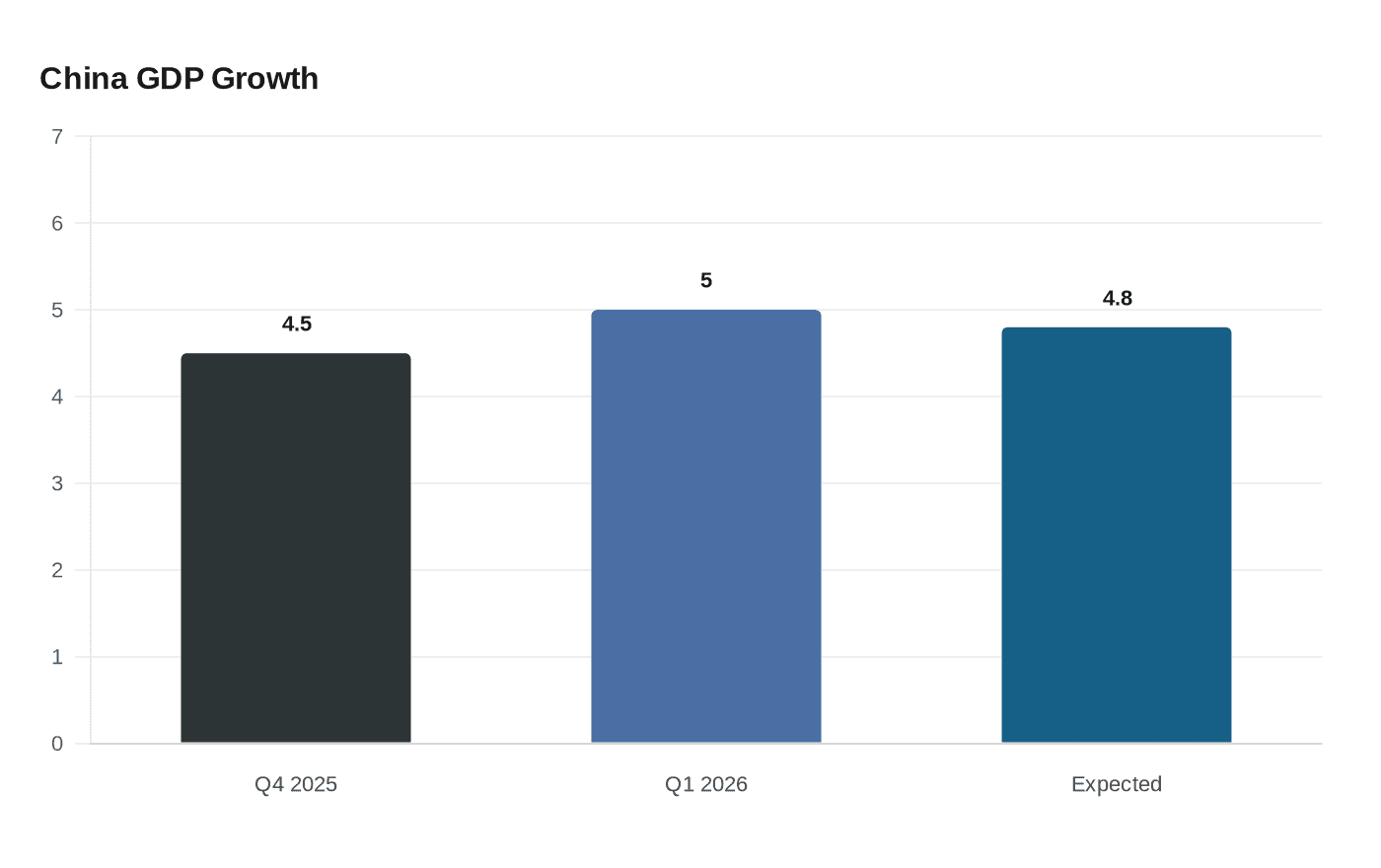
That wait-and-see stance reflects a better-than-expected start to the year. China’s economy grew 5% year on year in the first quarter of 2026, faster than the 4.5% pace in the fourth quarter of 2025 and above the 4.8% expected by economists. A pickup in inflation also reduced the urgency for rate cuts, even as weak domestic demand and property-sector stress continue to weigh on confidence. Keeping the five-year loan prime rate unchanged means Beijing is not using cheaper mortgages to force a faster housing recovery.
The central bank has also signaled that it wants to preserve room for later action. Pan Gongsheng said in January that the bank would maintain a “moderately loose” monetary policy and use tools such as reserve requirement ratio cuts and interest rate reductions to keep liquidity sufficient. At its first-quarter monetary policy committee meeting, the central bank stressed the need to strengthen the guiding role of policy rates and bring down overall financing costs, including hidden fees in credit markets. That suggests policymakers are trying to ease conditions more broadly without rushing into headline rate cuts.
The broader policy backdrop points to support rather than panic. Beijing has set a budget deficit of about 4% of GDP for 2026 and plans heavy bond issuance to back growth. Market expectations now lean toward unchanged official rates through the end of 2026, while China’s benchmark rate remains close to historic lows, having reached 3.00% in May 2025 and averaged 4.28% since 2013.
The hold also carries global implications. Surging oil prices and escalating Middle East tensions have clouded the outlook, adding pressure to commodity markets and risk sentiment. After the rate announcement, the Australian dollar weakened against the U.S. dollar, a reminder that China’s policy stance still ripples well beyond Beijing and Shanghai.
This article was produced by Prism’s automated news system from verified source data, official records, and press releases, then run through automated quality and moderation checks before publishing. The system is built and supervised by the people who set the standards it runs under. Read our full AI policy.
Did this article answer your question?

