Juries and state officials show antitrust power in Live Nation ruling
A New York jury found Live Nation and Ticketmaster liable, while state attorneys general kept pressure on a federal settlement they said was too weak.
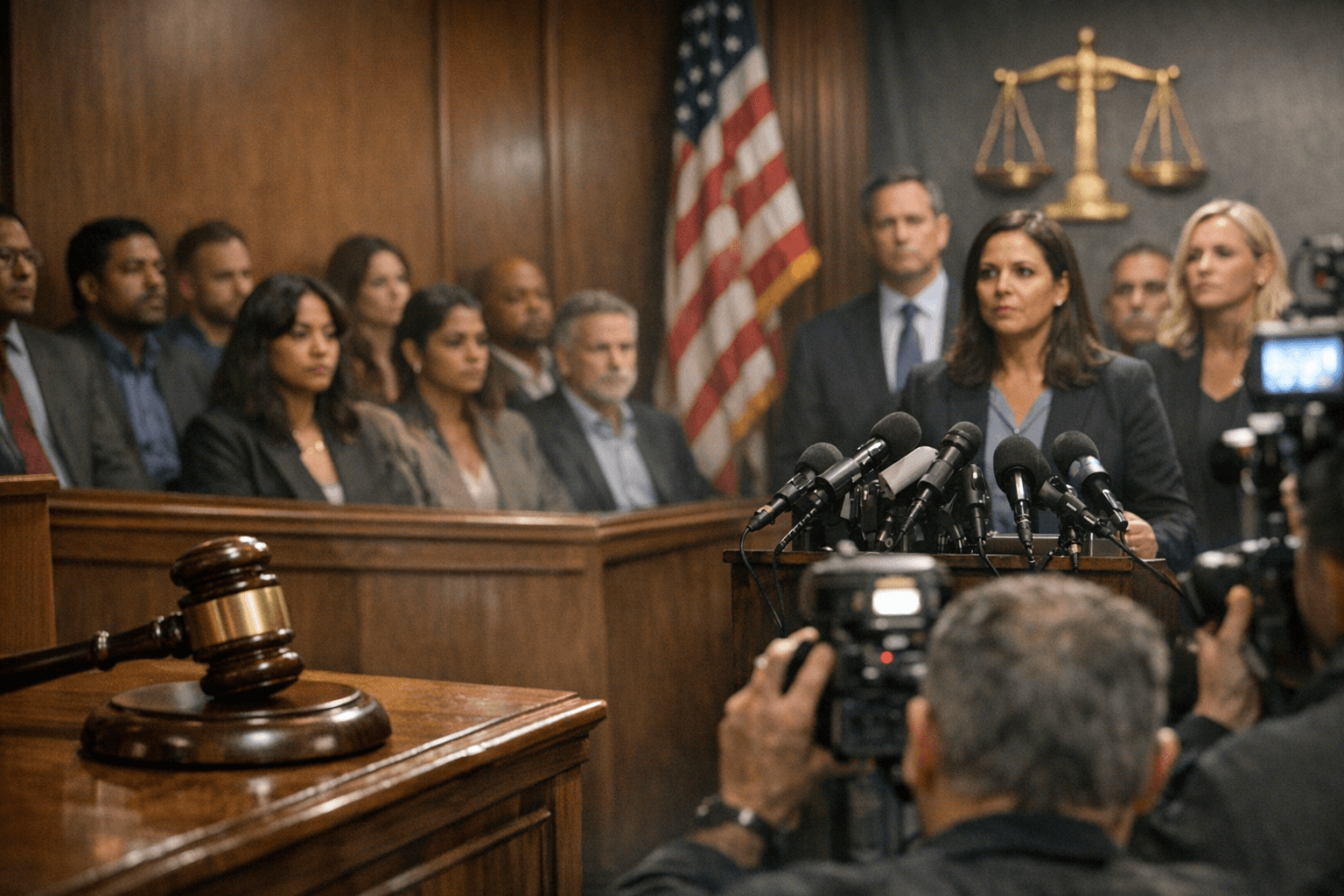
A New York federal jury found Live Nation and Ticketmaster violated federal and state antitrust laws, handing ticket buyers and competing venues a rare courtroom win against a company accused of dominating major live-event sales and access. California Attorney General Rob Bonta said the verdict covered tickets sold to consumers from May 2020 through 2024, while New York Attorney General Letitia James said a coalition of 33 other attorneys general had prevailed after alleging the company eliminated competition and drove up costs for fans, artists and venues across the country.
The ruling underscores the antitrust approach associated with Lina Khan, who led the Federal Trade Commission from June 15, 2021 to January 20, 2025, and Doha Mekki, who served as acting assistant attorney general for the Justice Department’s Antitrust Division from December 21, 2024 to January 20, 2025. Their broader view was that antitrust and consumer-protection laws are not museum pieces from an earlier economy. Courts, juries and state enforcers can still apply them to changing markets, including digital platforms and other modern distribution systems.
Live Nation’s legal problems began long before the verdict. The Justice Department filed its antitrust lawsuit on May 23, 2024, and the federal government later reached a settlement in March 2026 that state officials reportedly rejected as too weak. The jury’s decision gives new weight to the state-led strategy, especially in a market where Live Nation is alleged to control a large share of major ticketing and venue operations. For fans, the case is not abstract legal theory. It is about whether one company can shape fees, availability and access to shows in ways that leave buyers with fewer choices and higher prices.
The same pressure is visible in the Amazon litigation. The FTC, 18 state attorneys general and Puerto Rico sued Amazon.com, Inc. on September 26, 2023, alleging that the company used interlocking anticompetitive and unfair tactics to maintain monopoly power, block rivals and sellers from cutting prices, weaken quality for shoppers, overcharge sellers and stifle innovation. That case remained active in federal court in Washington, while California said its separate Amazon price-fixing case was headed toward a January 2027 trial.
Taken together, the Live Nation verdict and the Amazon fight show where antitrust power is now being tested most aggressively. When Washington is polarized or slow to settle, juries and state officials are increasingly the front line, and their rulings can still force large firms to answer for the prices, choices and market power that ordinary consumers live with every day.
This article was produced by Prism’s automated news system from verified source data, official records, and press releases, then run through automated quality and moderation checks before publishing. The system is built and supervised by the people who set the standards it runs under. Read our full AI policy.
Did this article answer your question?