Taiwan business chief urges Beijing, Taipei to restore trade, travel ties
Taiwan’s top business chamber pressed Beijing and Taipei to reopen flights, tourism and trade, as hotel groups said Chinese visitors could lift occupancy by 15 points.
Taiwan’s business community is warning that the chill across the Taiwan Strait is no longer just political. It is cutting into travel, trade and investment decisions, and Paul Hsu, chairman of the General Chamber of Commerce of the Republic of China, said the two sides should put politics aside and restore normal commercial links.
At a news conference in Taipei, Hsu urged Taiwan’s government to “ease or lift” restrictions in response to China’s latest package of incentives, and said both the government and the opposition should not be swayed by “partisan and noneconomic considerations.” His appeal reflected a wider concern in Taiwan’s private sector: that every opening to the mainland now comes bundled with political conditions and a risk of sudden reversal.
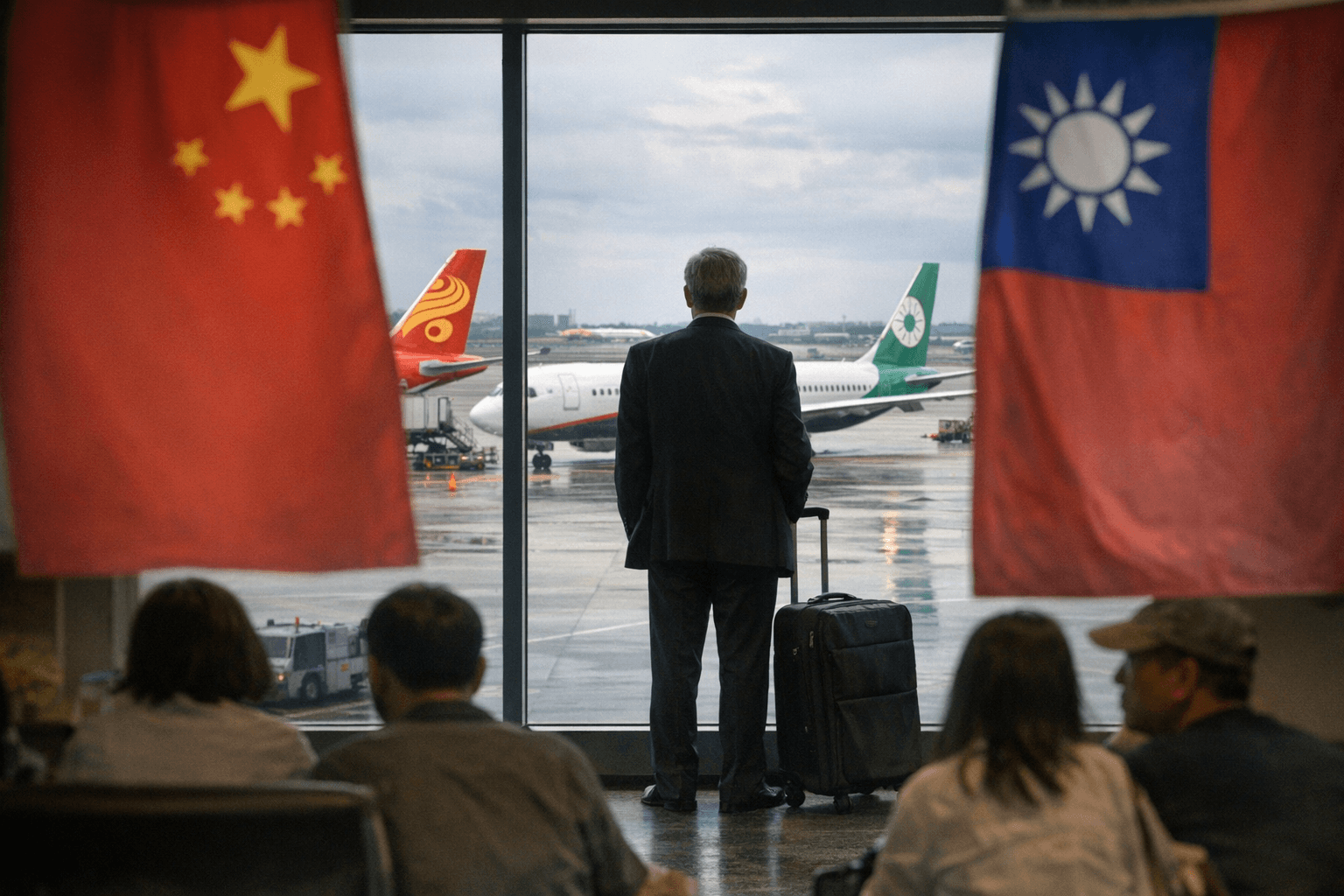
China announced 10 Taiwan-focused measures on April 12, including the resumption of individual travel by residents of Shanghai and Fujian to Taiwan, the “full normalization” of direct cross-strait passenger flights, and expanded access for Taiwanese agricultural, fishery and food products to the Chinese market. Beijing said the incentives had to align with opposition to Taiwan independence, underscoring how quickly commercial concessions are tied to sovereignty disputes.
Taipei’s Mainland Affairs Council said it would consider reasonable industry demands, but warned firms not to be used as tools to pressure the government. The council said the latest measures were meant to bypass Taiwan’s authority and described them as a political deal between the Chinese Communist Party and the Kuomintang. It also warned that similar moves had been introduced before and later suspended for political reasons, leaving businesses exposed to uncertainty.
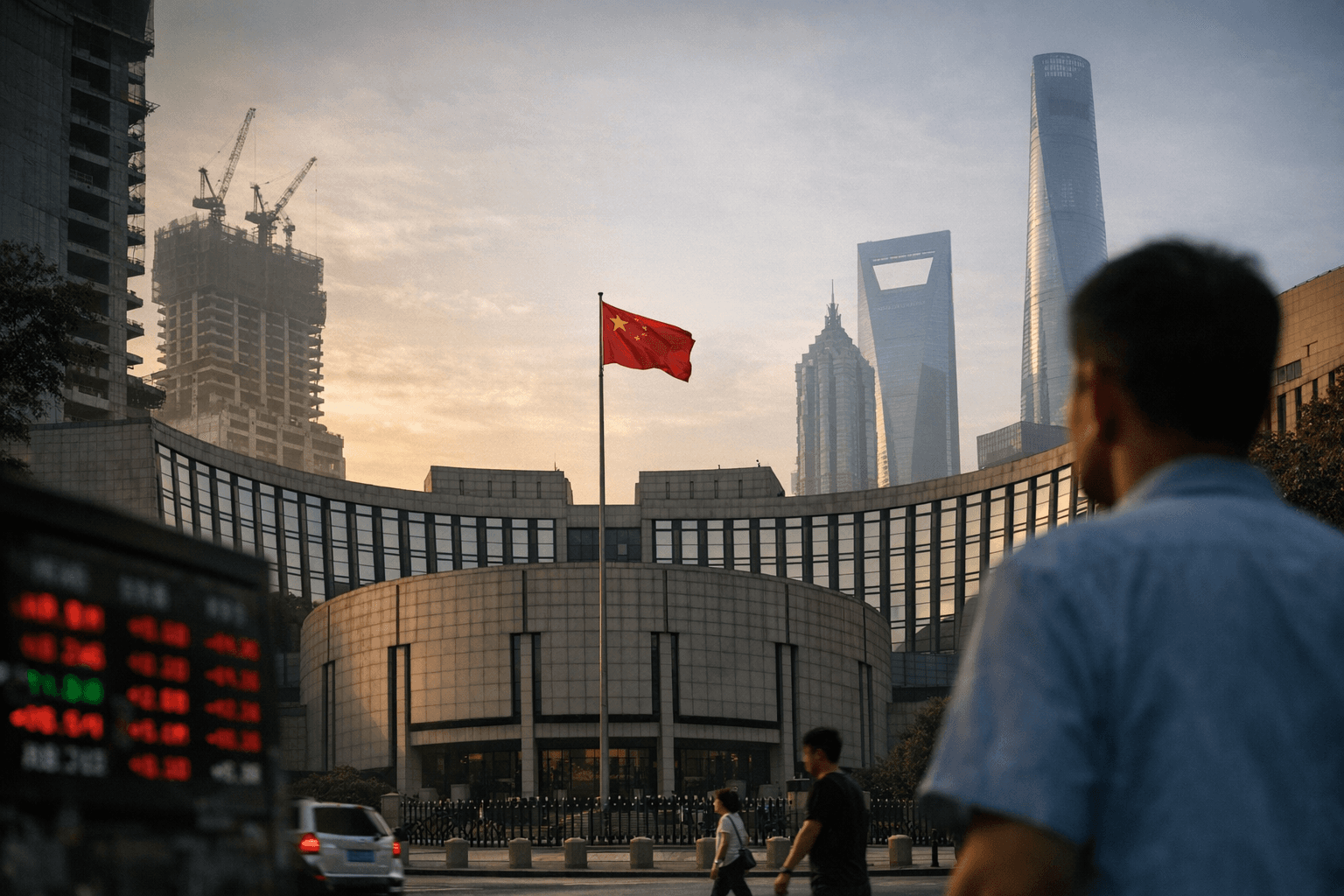
The stakes are high. Taiwan exported US$170.48 billion to China and Hong Kong in 2025, equal to 26.6% of its total exports, even as the United States took 30.9% of total exports. That dependence gives Beijing leverage, but it also helps explain why many Taiwanese companies still want predictable access rather than a complete break.
Focus Taiwan said representatives at the chamber’s event included people from the tourism, food and transportation sectors. Stephanie Chang, vice president of the Hotel Association of the R.O.C., said reopening to Chinese tourists could raise Taiwan hotel occupancy, now around 50%, by at least 15 percentage points. She said Taiwan once received about 3 million Chinese visitors a year at the peak of cross-strait tourism, before the flow was largely suspended.
China’s April 12 package came two days after KMT Chairperson Cheng Li-wun met Chinese President Xi Jinping in Beijing, adding another layer of political sensitivity to a debate that businesses increasingly see as an economic issue with real costs.
Know something we missed? Have a correction or additional information?
Submit a Tip