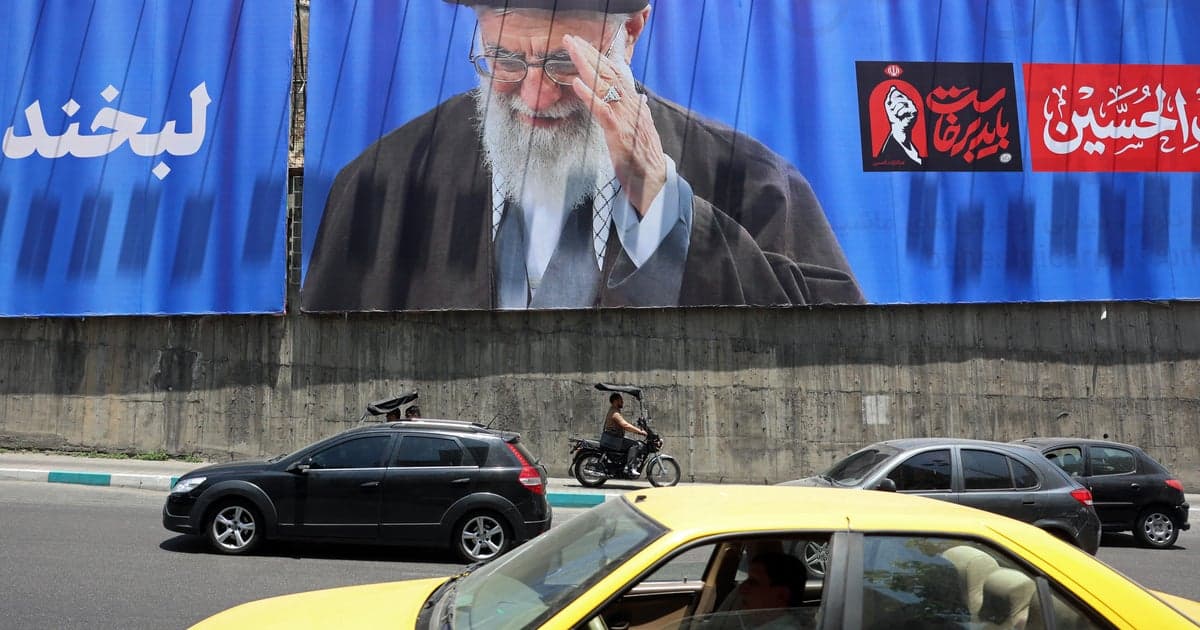
China presses Iran talks as Trump summit looms in Beijing
Beijing is urging Iran toward talks while preserving oil and chemical ties that help Tehran, hoping a Trump summit will not upset its broader strategy.
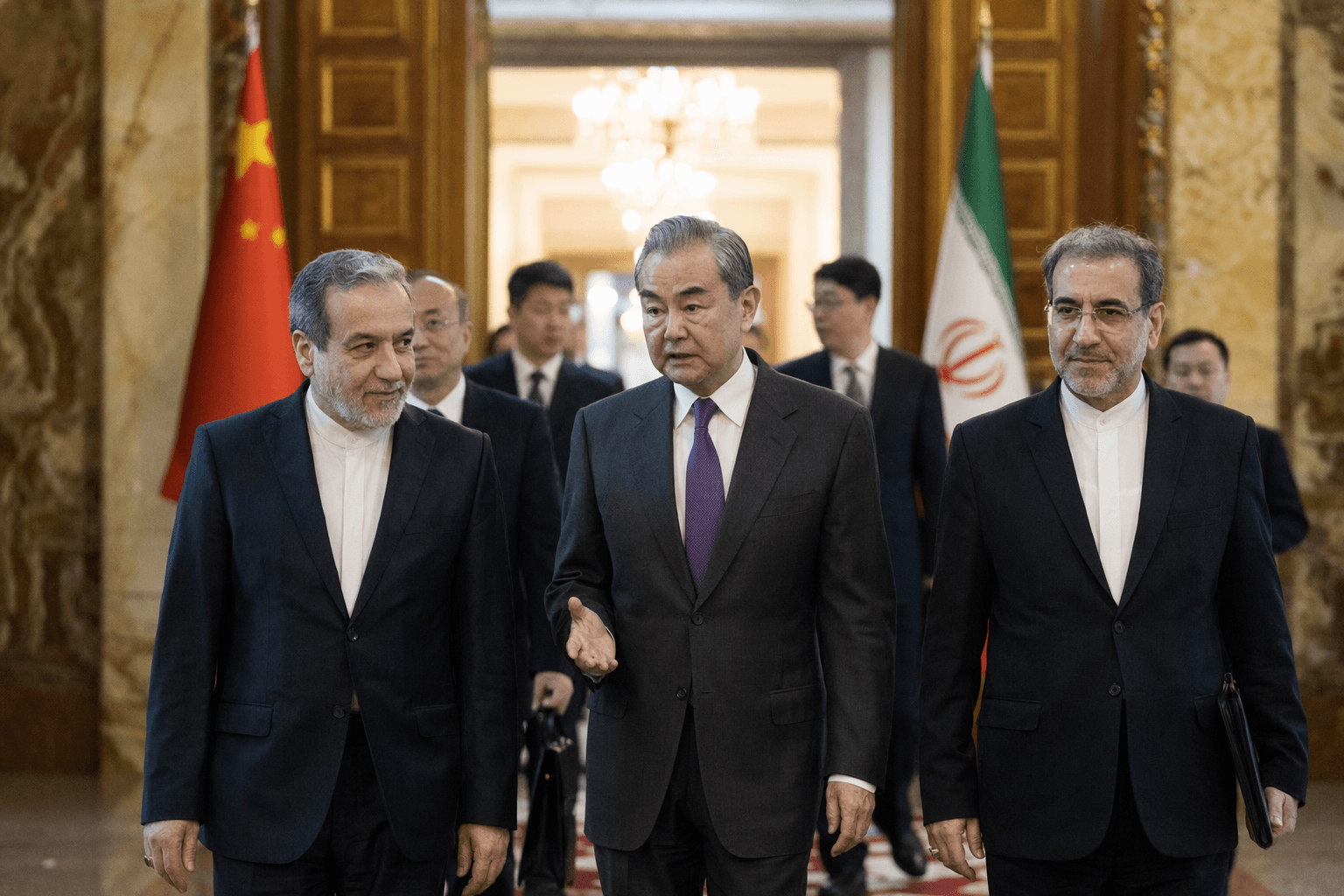
China is pressing Iran toward ceasefire talks even as Chinese companies keep commercial channels open that can benefit Tehran’s war effort. The dual-track approach is designed to show Beijing as a stabilizing diplomatic player before Donald Trump’s planned May 14-15 summit in Beijing, while also preserving leverage with Iran and avoiding a rupture in ties with Washington.
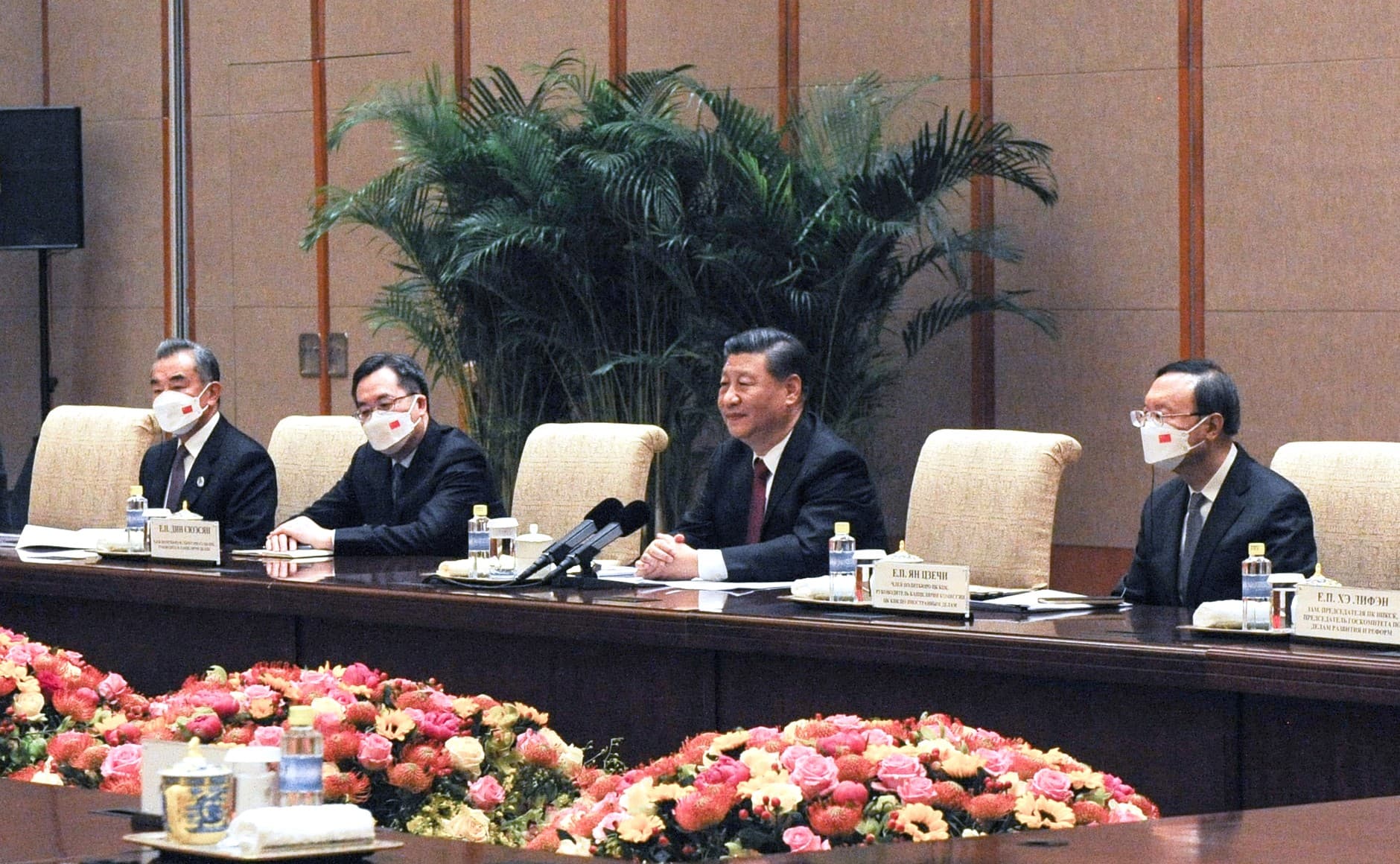
The timing matters. Trump has said the trip to China could slip by “a month or so” because of the Iran war, and Chinese officials know the conflict already disrupted an earlier summit plan. Beijing wants the meeting with Xi Jinping to advance trade goals and its claims on Taiwan, but it also wants to keep the atmosphere calm enough for the talks to go ahead. That has pushed Chinese officials to stay publicly measured on Trump’s conduct of the war.
Inside that effort, Foreign Minister Wang Yi has taken the lead. He has held nearly 30 calls and meetings with counterparts seeking a ceasefire, while special envoy Zhai Jun has toured five Gulf and Arab capitals to keep regional diplomacy moving. Wang also spoke with Iranian Foreign Minister Seyed Abbas Araghchi on April 15, after telling his Pakistani counterpart on April 13 that the ceasefire was “very fragile.” Chinese officials have also worked through Pakistan, which became an unexpected mediator when Trump canceled a planned trip by U.S. envoys after Araghchi left Islamabad.
The economic stakes help explain Beijing’s caution. China is the world’s top crude oil importer and depends on the Middle East for about half of its fuel supplies. A wider war would threaten shipments through the Strait of Hormuz and put pressure on Chinese energy costs at a time when stable growth remains central to Xi’s agenda. Beijing also wants to be seen as useful in crisis management after Trump credited China with helping bring Iran to peace talks in Pakistan.
At the same time, China’s leverage over Iran is not only diplomatic. Analysts at the Foundation for Defense of Democracies say China buys roughly 95% of Iran’s oil exports, often at a discount because of sanctions risk, saving Beijing nearly $4 billion a year while providing Tehran with vital revenue. The same analysis says Chinese firms shipped more than 1,000 tons of sodium perchlorate to Iran in early 2025, a chemical used in solid rocket fuel, and that deliveries reportedly continued even after the U.S. Treasury sanctioned Shenzhen Amor Logistics and related entities for support to the Islamic Revolutionary Guard Corps.
That combination of mediation and material support gives Beijing room to maneuver with both Trump and Tehran. It also shows how China is trying to shape the war’s outcome without surrendering the commercial ties that give it influence over Iran and the diplomatic standing it wants with Washington.
This article was produced by Prism’s automated news system from verified source data, official records, and press releases, then run through automated quality and moderation checks before publishing. The system is built and supervised by the people who set the standards it runs under. Read our full AI policy.
Did this article answer your question?