Amsterdam bans fossil fuel and meat ads in public spaces
Amsterdam has become the first capital city to ban fossil fuel and meat ads in public spaces, betting that shrinking demand will matter as much as taxing emissions.
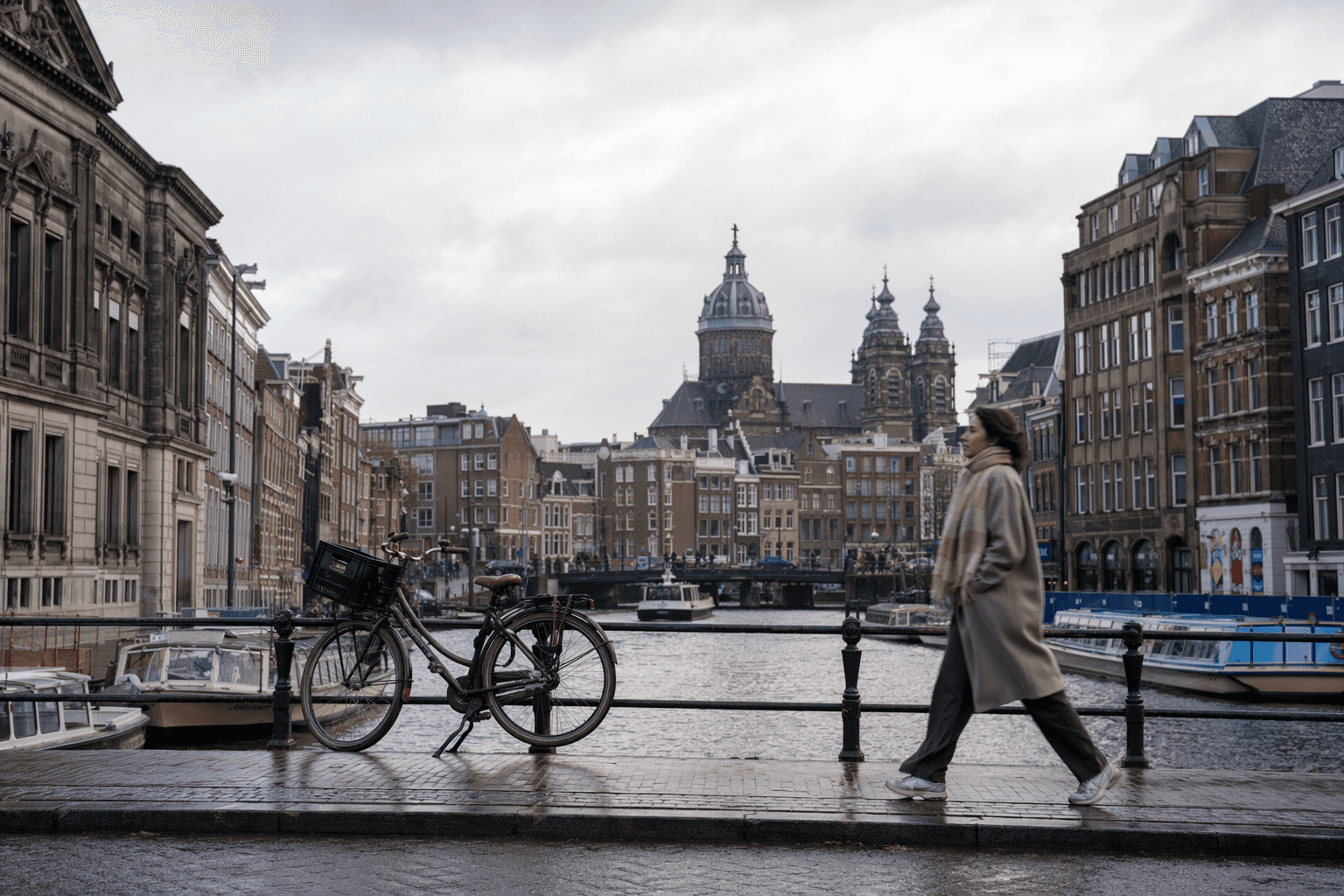
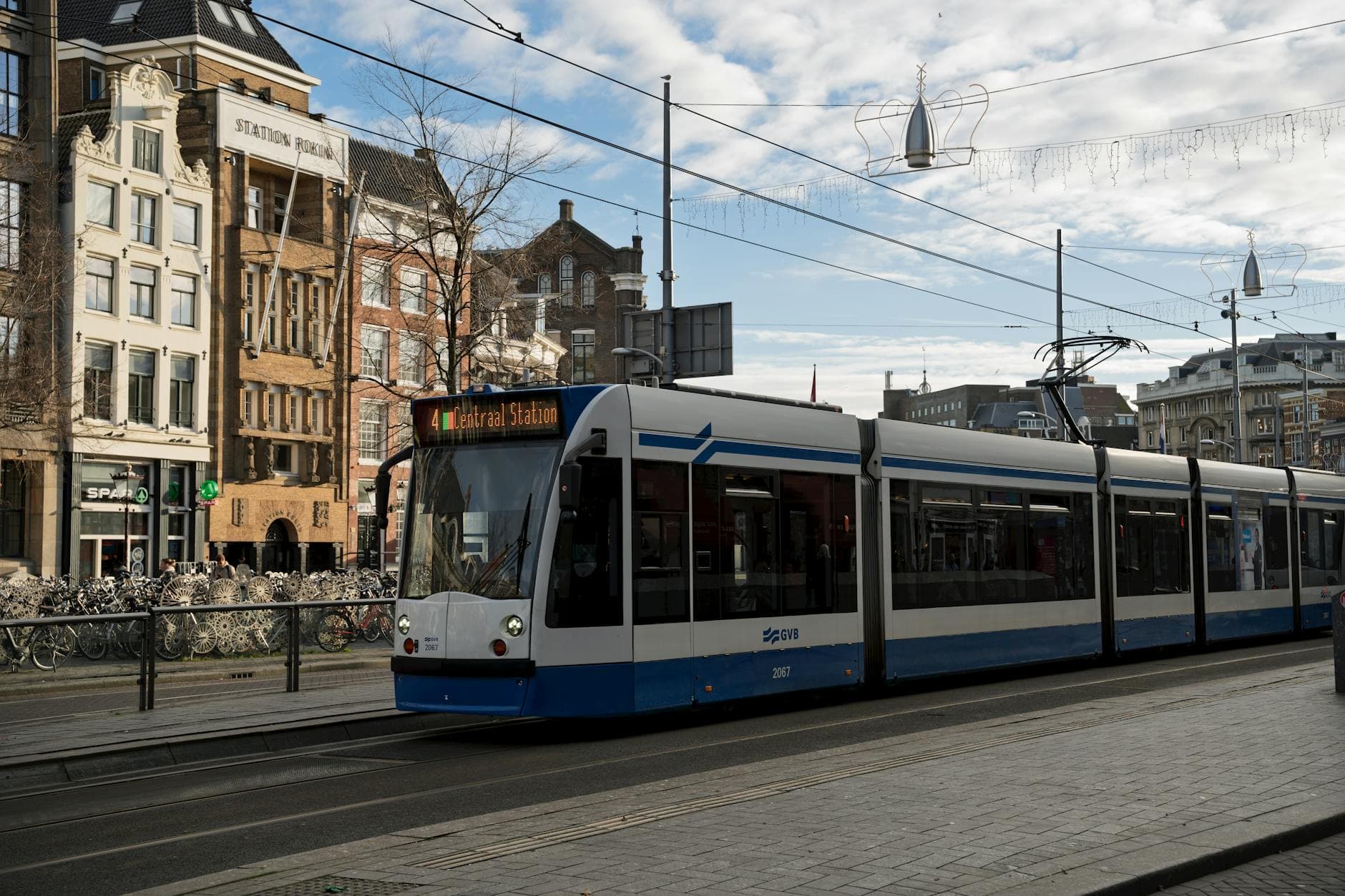
Amsterdam moved to strip fossil fuel and meat advertising from public view after the city council approved a 27-17 ban that formalized the rules in the Algemene Plaatselijke Verordening, the city’s general local regulation. The measure targeted billboards, bus shelters, buses, trams, metro and train stations, and city-owned digital screens, putting the Dutch capital at the front edge of a new climate policy strategy that tries to reduce demand by limiting what can be marketed in everyday life.
The ban covered ads for fossil fuels, air travel, cruises, petrol- and diesel-powered cars, gas heating contracts and meat products. Shops and private premises were excluded, so retailers could still advertise their own products on posters inside stores or at their front doors. Amsterdam had already been curbing this kind of advertising since 2020 through voluntary agreements with advertisers, but the new rule made the restriction legally binding and, by the city’s description, made Amsterdam the first capital city in the world to adopt such a ban through local law.
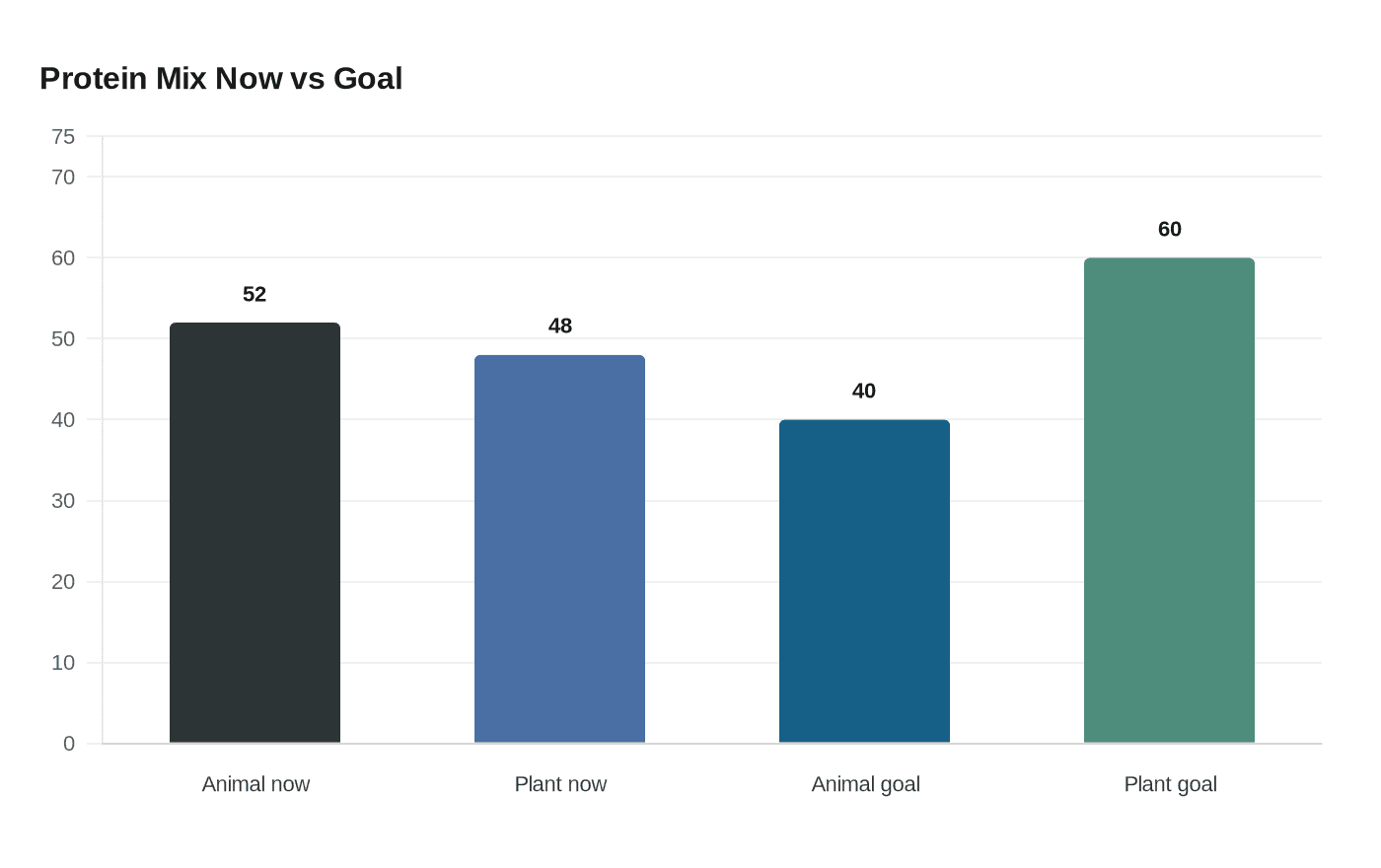
The policy also fit neatly into Amsterdam’s broader food strategy. The city says food is a major material stream with a large environmental footprint, and it is pushing a more plant-based diet. Residents currently get 52% of their protein from animal products and 48% from plant-based sources, while the city’s goal is to shift that mix to 40% animal protein and 60% plant-based protein. Amsterdam also estimates that it wastes 166 kilotons of food a year, including 32 kilotons in hospitality and 49 kilotons in households, figures that help explain why campaigners see public advertising as part of a wider effort to change consumption habits.
The test now is whether the ban survives scrutiny and actually changes behavior. Melanie van der Horst said in council debate that implementing the rule as quickly as May 1, 2026 would be too soon and that a “reasonable transition period” was needed. Critics have raised freedom of speech, enforceability, existing advertising contracts and possible legal claims, while supporters argue the rule is a climate and public-health measure that reduces the visibility of high-emission products.
The legal backdrop is favorable, at least for now. A Dutch court upheld The Hague’s similar advertising ban in April 2025, giving Amsterdam a precedent, and other Dutch municipalities including Utrecht, Delft, Nijmegen and Zwolle have already restricted fossil-fuel advertising. Van der Horst said meat ads account for just 0.1% of outdoor advertising and fossil-fuel ads 4.3%, suggesting the immediate commercial impact may be limited even if the symbolic reach is broad. Creatives for Climate said it coordinated an open letter backed by more than 100 creatives and industry leaders, while JCDecaux warned councillors of financial and legal consequences. Amsterdam’s move now stands as a test case for whether cities can use public space policy to reshape markets, or whether the ban will prove easier to pass than to defend.
This article was produced by Prism’s automated news system from verified source data, official records, and press releases, then run through automated quality and moderation checks before publishing. The system is built and supervised by the people who set the standards it runs under. Read our full AI policy.
Know something we missed? Have a correction or additional information?
Submit a Tip