Anderson Cooper discovers Colombia's birding paradise, conservation, and livelihoods
Anderson Cooper's birding trip reveals why Colombia's rare birds now power conservation, guide jobs, and post-conflict tourism.
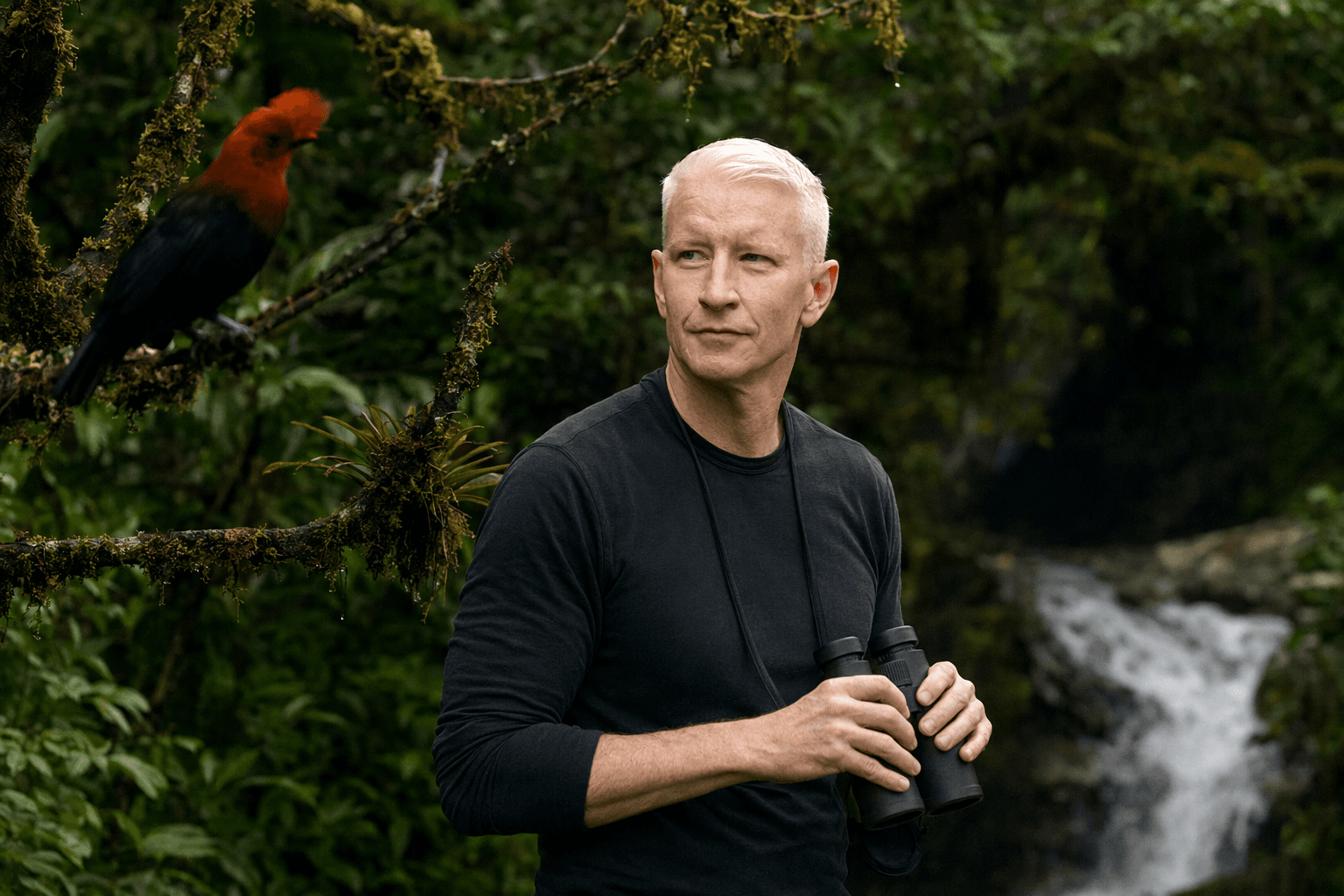
Colombia's birding scale
Anderson Cooper’s turn through the mountains of Colombia lands in a place where birding is not a side activity but a national asset. CBS says Colombia holds about 2,000 bird species, more than anywhere else on Earth, in a country where roughly 11,000 bird species exist worldwide.
That abundance is rooted in geography as much as in luck. Audubon describes Colombia as a birder’s paradise shaped by high elevation mountains, dry forest, páramo, and coastal habitats, with the Andes and other terrain changes creating the kind of ecological variety that attracts birders willing to travel for rare and endemic species.
Why conflict left habitat standing
The country’s bird story is inseparable from its political history. CBS reports that decades of conflict, involving the government, left-wing guerrillas, right-wing paramilitaries, and narco-traffickers, kept people out of many remote areas and, in the process, preserved habitat that birds still depend on today.
That legacy creates a complicated conservation equation. The same isolation that protected forests, mountains, and wetlands also reflected fear, displacement, and state absence; now, as those areas open more fully, Colombia faces the challenge of turning ecological wealth into lawful, durable income before logging, agriculture, and mining erase what conflict left standing. Audubon notes that the end of war has brought both opportunity and pressure as rural areas are repopulated and development accelerates.
Birding as a path to jobs
The clearest example of birding’s economic value comes through Diego Calderón Franco. CBS reports that Calderón Franco, a researcher and birding guide, was kidnapped by FARC in 2004 and held hostage for 88 days, then later began teaching former guerrillas about birding because he believed some could become guides and build new careers.
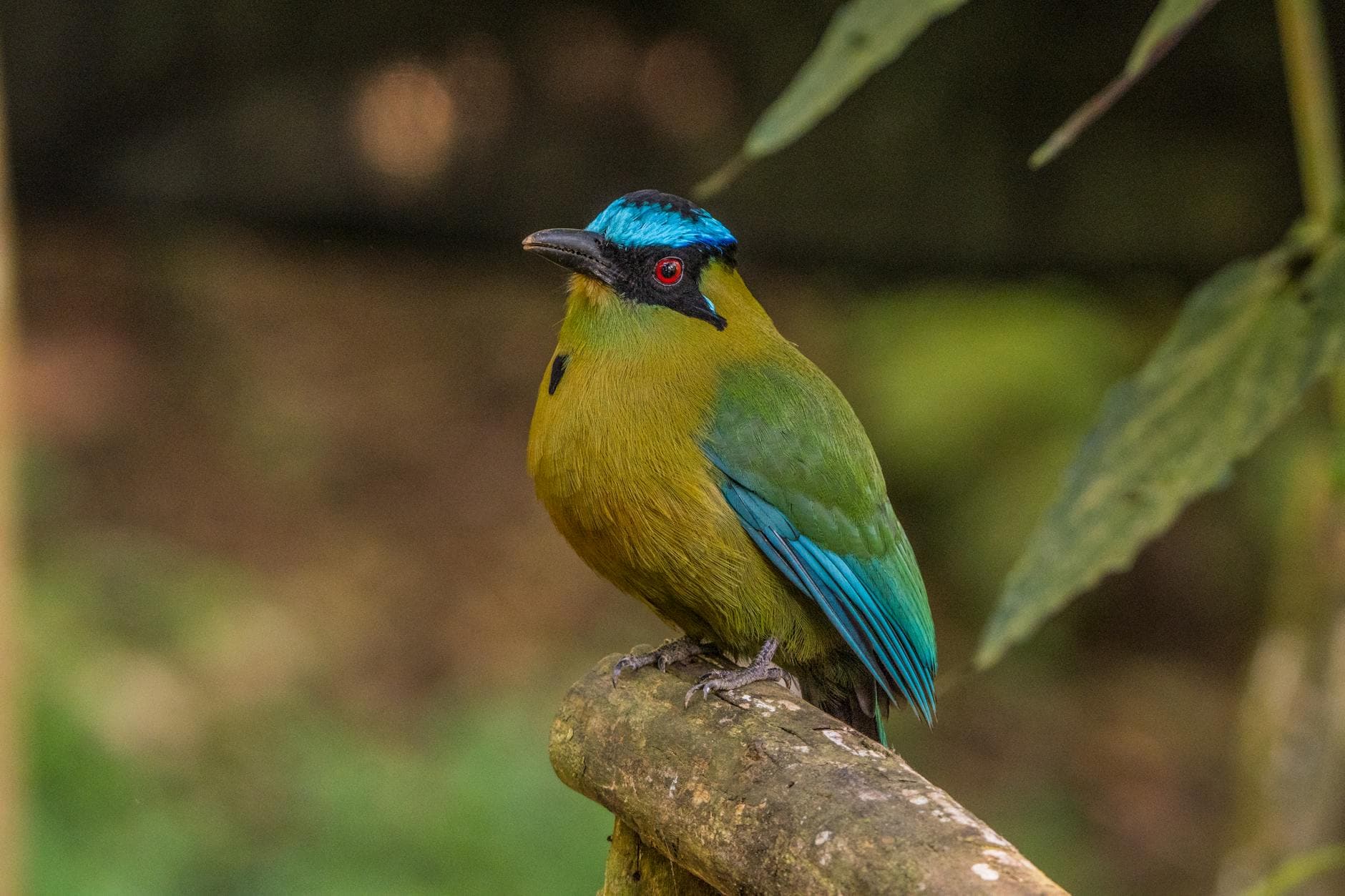
That detail matters because it shows birding functioning as post-conflict labor policy, not just tourism branding. Audubon says its work in Colombia includes training local guides in bird identification and ecology so they can eventually run tours themselves, while birding trails help connect travelers with communities that can benefit from the trade in lodging, transport, and guiding.
The result is a form of economic development that values terrain people once avoided. In places where armed actors once controlled movement, a guide who can find a rare tanager or hummingbird can now create income that stays local, and that makes the bird itself part of the economic equation.
The landscapes that make the market
Cooper’s experience in western Colombia is part of a wider draw across the Andes. The country’s elevation changes produce specialized habitats, and those habitats produce the species lists that birders chase, especially where mountain forest, páramo, and transitional zones compress a huge number of birds into short distances.
Audubon’s Colombia work frames that diversity as a conservation opportunity. Its reporting says Colombia has over 1,900 avian species, more than any other country in the world, and describes the country as a place where birding and ecotourism can be built around high mountains, dry forest, páramo, and coastal ecosystems.
For travelers, that means birding in Colombia is not confined to one spectacular reserve. It is a cross-country system of habitats, each with its own endemic species, and that biological patchwork is exactly what makes the market work. Rare birds carry real value because birders will pay for access, expertise, and the chance to see species they cannot easily find elsewhere.
Conservation is becoming an institutional project
Colombia’s bird boom is also visible in public conservation policy. Audubon says the country has more than doubled its national conserved area this decade, from 13 million hectares to 28.4 million hectares, a major shift that signals how seriously bird habitat is being treated as national infrastructure rather than untouched scenery.
The tourism side is moving in the same direction. A Colombian Ministry of Commerce and Tourism initiative, supported in recent years by partnerships around sustainable nature tourism, reflects the broader state interest in turning biodiversity into a development strategy rather than leaving it as an informal or extractive frontier.
That matters in a country where conservation cannot be separated from livelihoods. Birding trails, guide certification, and protected land are not isolated projects; together, they create the conditions for communities to earn income without destroying the habitat that makes the income possible. In Colombia, conservation is increasingly being organized as an economic argument as well as an environmental one.
Why Cooper’s conversion matters
The appeal of Cooper’s segment is not simply that a well-known reporter found a beautiful landscape. It is that the experience illustrates a broader Colombian reality: a country with unmatched bird diversity, scars from a long conflict, and a growing ecosystem of guides and conservation programs that can translate biodiversity into stable work.
Birding has become a gateway because it connects three pressures that usually sit apart from one another. Conservation protects habitat, tourism brings money into remote regions, and guide training gives people a reason to stay and build lives in places once defined by war. In Colombia, that combination now gives rare birds a value that is ecological, political, and economic all at once.
This article was produced by Prism’s automated news system from verified source data, official records, and press releases, then run through automated quality and moderation checks before publishing. The system is built and supervised by the people who set the standards it runs under. Read our full AI policy.
Did this article answer your question?


