China rebukes Philippine defense chief in dispute over aid, messaging
Beijing accused Gilberto Teodoro Jr. of political showmanship after he called China a “severe threat,” sharpening a fight over aid, trust and the South China Sea.
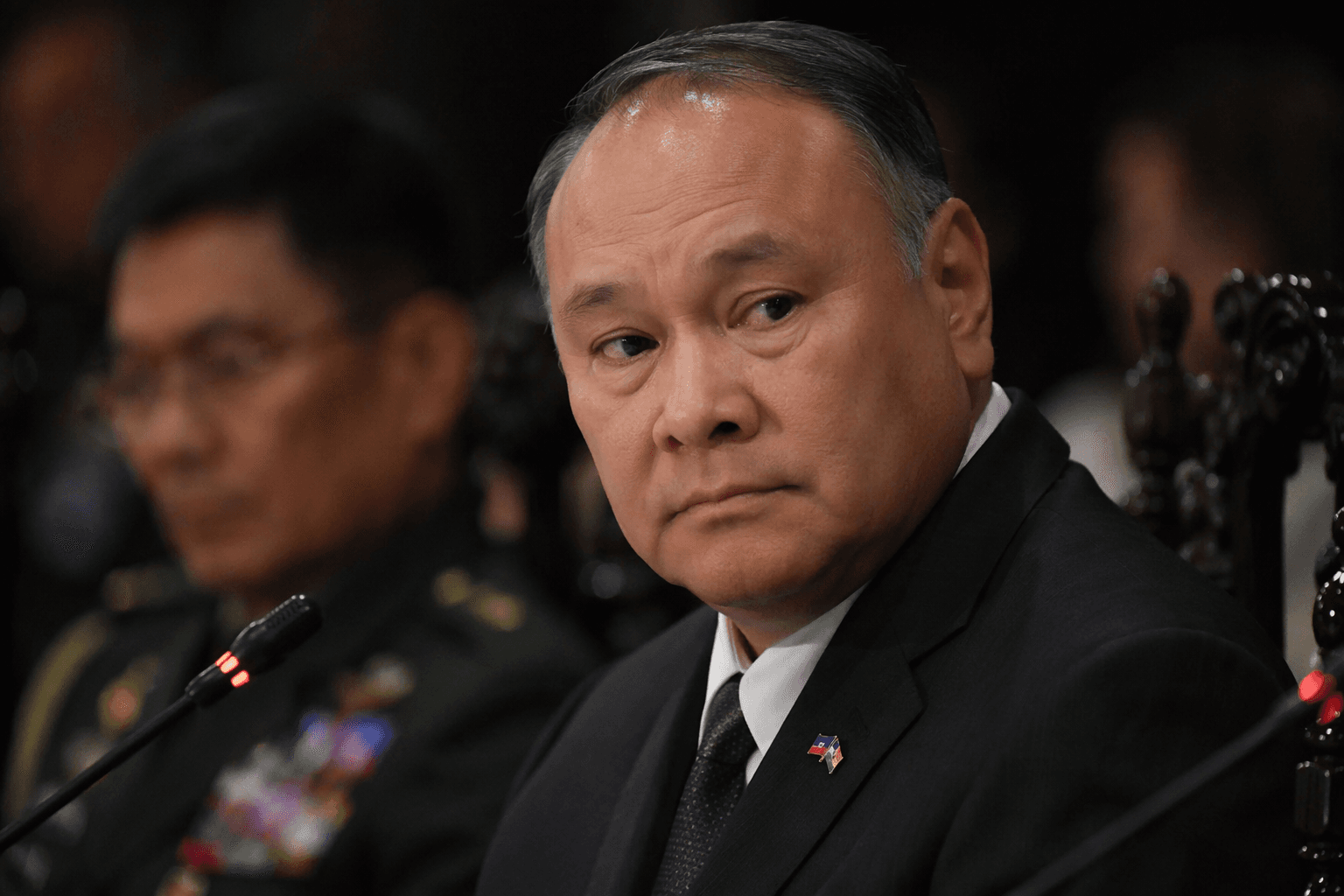
China escalated its dispute with Manila by rebuking Philippine Defense Secretary Gilberto Teodoro Jr. after he said Beijing remained a “severe threat,” turning a familiar maritime standoff into a sharper contest over aid, livelihoods and political messaging. The clash centers on Teodoro’s remarks on the sidelines of the IISS Shangri-La Dialogue in Singapore, where he said China had shown no long-term good faith even after offering fertilizer and fuel during war-related shortages.
Beijing answered by accusing Teodoro of having no gratitude for Chinese commodities and of using issues tied to people’s livelihoods for political showmanship. Chinese foreign ministry spokeswoman Mao Ning said at a Tuesday briefing that if people like Teodoro were allowed to act freely, it raised the question of how China could continue to provide aid and supplies to the Philippines. The exchange underscored how quickly economic gestures and security warnings have become part of the same argument.
Teodoro said the Philippines wants China’s expansion in the South China Sea stopped, and argued that Manila had no choice but to remain resilient and push back against Chinese aggression. He also said stronger China-Philippines ties would require a “sincere” Chinese government and a much smaller deficit of trust. His comments came as the Philippines continued to frame Chinese behavior as a direct threat, not a manageable diplomatic annoyance.
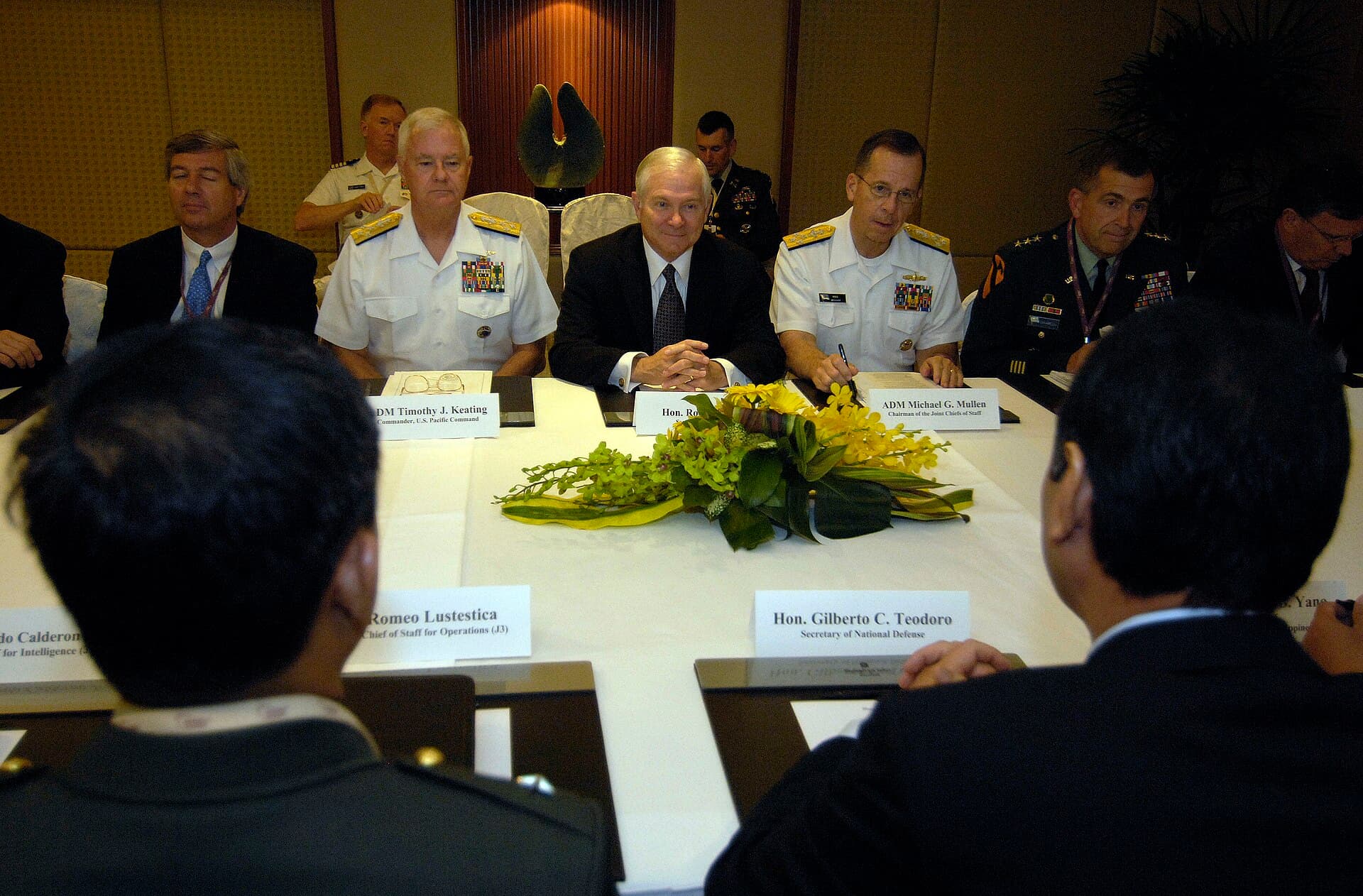
The wider stakes extend far beyond the latest verbal clash. The South China Sea is a critical route for regional trade and shipping, and repeated confrontations there have made every encounter more fraught. China’s expansive claims, largely discredited by a 2016 arbitration ruling, overlap with claims by Vietnam, Malaysia, Brunei and Taiwan. For Manila, bringing the dispute onto a global stage, including at the Shangri-La security forum, is part of an effort to internationalize a conflict it says cannot be contained as a bilateral issue.
The argument also reaches into Washington’s treaty obligations in the Philippines. Any serious escalation in contested waters could draw in the United States through its defense commitments, which is why the rhetoric matters as much as the patrols. Teodoro said in a separate recent interview that the Philippines remained under a severe threat from China even after the thaw in U.S.-China tensions following the summit between Donald Trump and Xi Jinping earlier this month, a reminder that Manila’s security calculus has not shifted with the superpower détente.
This article was produced by Prism’s automated news system from verified source data, official records, and press releases, then run through automated quality and moderation checks before publishing. The system is built and supervised by the people who set the standards it runs under. Read our full AI policy.
Know something we missed? Have a correction or additional information?
Submit a Tip