China Says Thailand-Cambodia Ceasefire Gradually Implemented, Urges Consolidation
China told a Beijing press briefing on Jan. 5 that the ceasefire between Thailand and Cambodia is being "gradually" implemented and called on both sides to convert the halt in fighting into a durable settlement. The return of 18 detained Cambodian soldiers underscores initial confidence-building, but regional stability and urgent humanitarian needs will hinge on verifiable monitoring and sustained diplomacy.
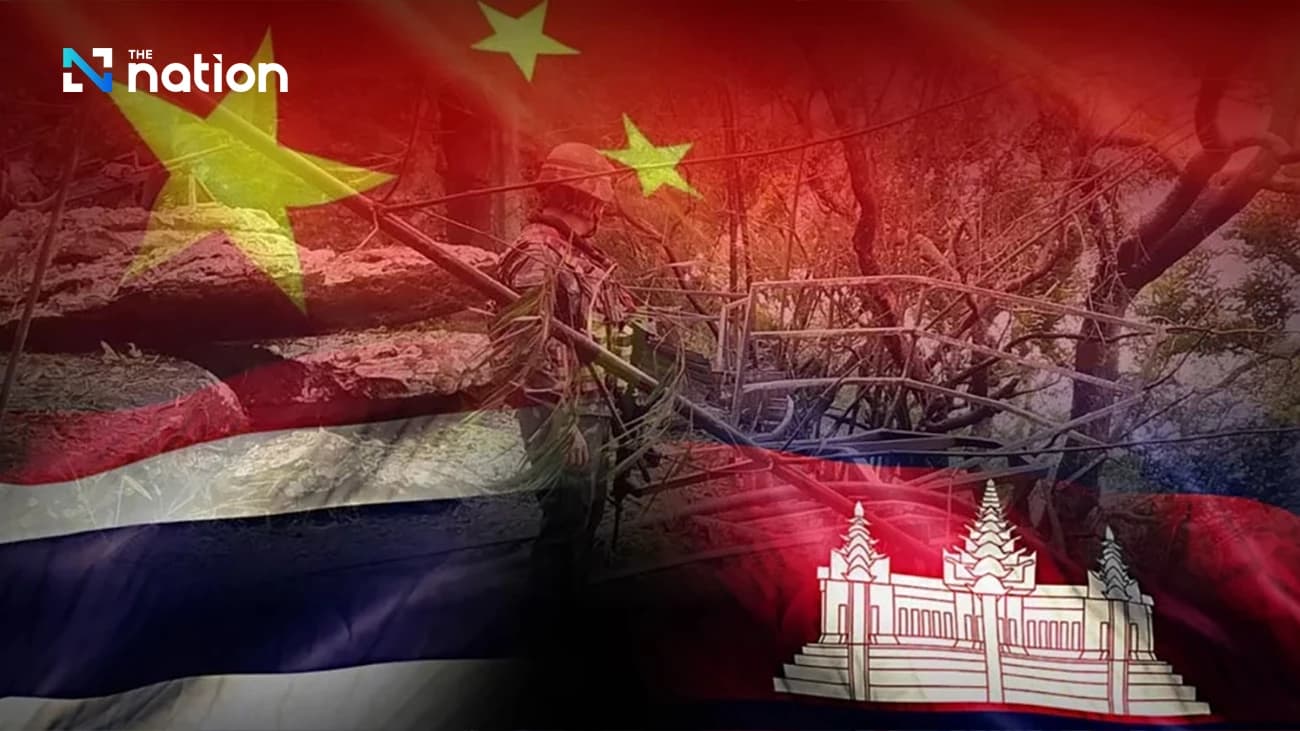
At a regular daily news briefing in Beijing on Jan. 5, Chinese foreign ministry spokesperson Lin Jian said Beijing is "pleased to see" the ceasefire consensus between Cambodia and Thailand being gradually carried out and urged the two neighbours to cement the pause in hostilities into a lasting arrangement. Lin used the briefing to press both governments to "continue to look ahead and move forward, strengthen dialogue and communication, jointly ensure a comprehensive and lasting ceasefire, gradually rebuild trust and improve relations."
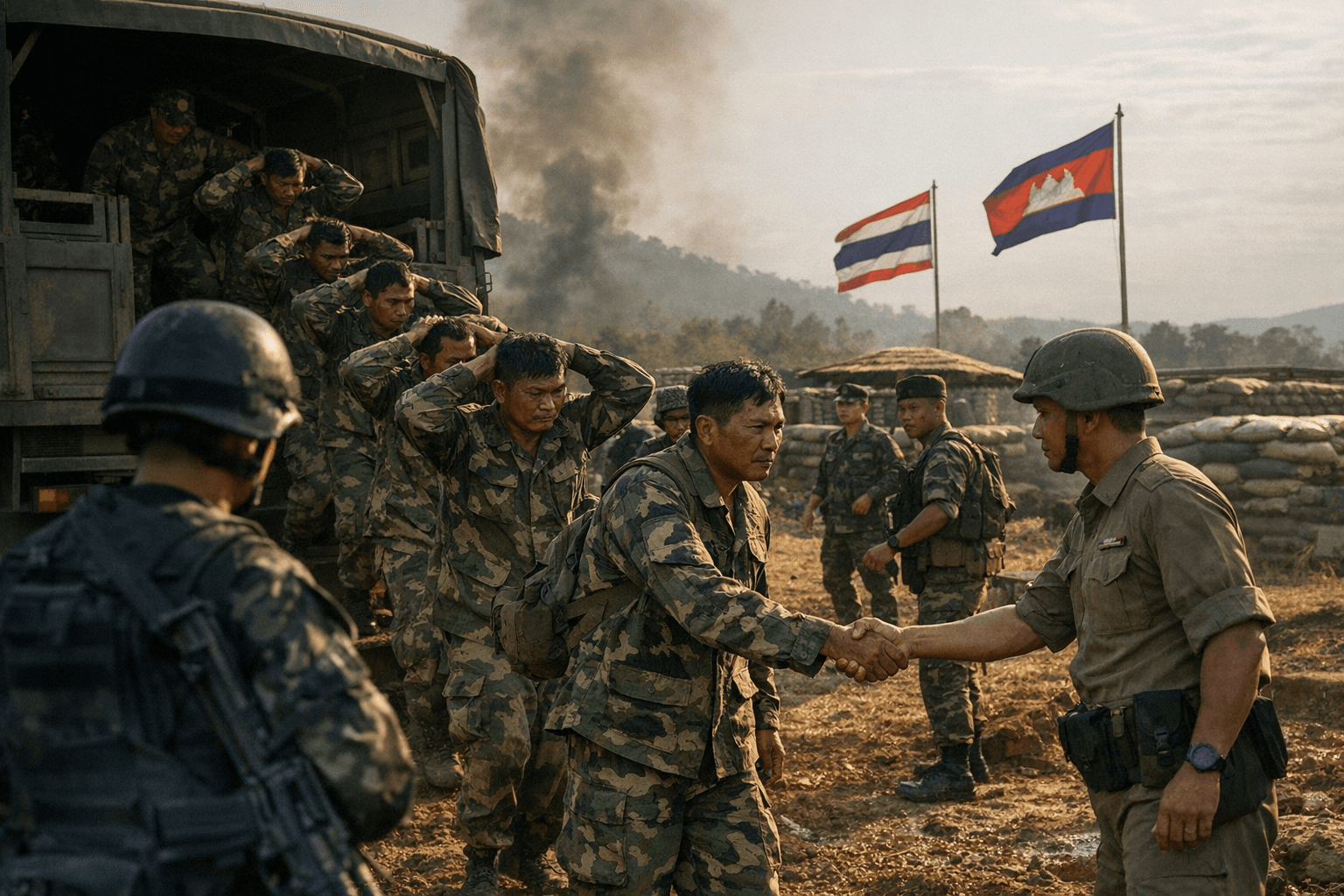
The comments came as officials reported that Thailand returned 18 detained Cambodian soldiers who have since returned home safely, a step Beijing cited as evidence of the ceasefire taking effect in tangible ways. The exchange of detainees follows an agreement reached at the end of December that brought an end to weeks of border clashes described by officials as the worst fighting in years between the two Southeast Asian neighbours.
Those clashes produced substantial humanitarian consequences. The fighting forced largescale population movements, straining local services and heightening the need for cross-border coordination on shelter, aid delivery and demining. Some estimates put the number of displaced people in the hundreds of thousands, highlighting the urgency of turning a fragile cessation of hostilities into a stable, verifiable peace.
China has presented itself as a constructive diplomatic actor in the episode, advocating for continued dialogue and warning against a relapse into violence. Lin framed Beijing’s intervention in terms of regional stability, saying that consolidation of the ceasefire "serves the fundamental and long-term interests of both the Cambodian and Thai peoples" and "meets the expectations of the international community." That language signals Beijing’s interest in preventing renewed escalation along a border that has long been sensitive for both capitals and for ASEAN as a whole.
Analysts say the immediate challenge now is translating goodwill into mechanisms that reduce the risk of renewed clashes: agreed monitoring procedures, clear channels for incident de-escalation, and independent verification of troop movements and detainee treatment. For affected communities, the priority will be humanitarian access, safe returns and reconstruction of damaged livelihoods and infrastructure.
The situation also poses tests for regional diplomacy. ASEAN’s capacity for mediation and the role of external powers, among them China, will be scrutinized as Phnom Penh and Bangkok navigate a tense post-conflict environment. Sustained international attention and assistance could help shore up a fragile settlement, but durable peace will ultimately depend on both governments’ willingness to follow through on commitments to demilitarize disputed tracts, rebuild trust and address underlying grievances that fuelled the clashes.
For now, Beijing’s public encouragement and the return of the detained soldiers provide cautious optimism that a gunfire pause can be consolidated. The coming weeks will be crucial in determining whether that optimism is borne out by stable frontlines, verified humanitarian relief and a credible roadmap toward a lasting bilateral settlement.
This article was produced by Prism’s automated news system from verified source data, official records, and press releases, then run through automated quality and moderation checks before publishing. The system is built and supervised by the people who set the standards it runs under. Read our full AI policy.
Did this article answer your question?


