China Surges Crude Purchases as Middle East War Fuels Global Oil Hoarding
China's state refiners bought record crude volumes in early 2026, with stockpiling from discounted sanctioned barrels now shielding Beijing from Gulf supply shocks.
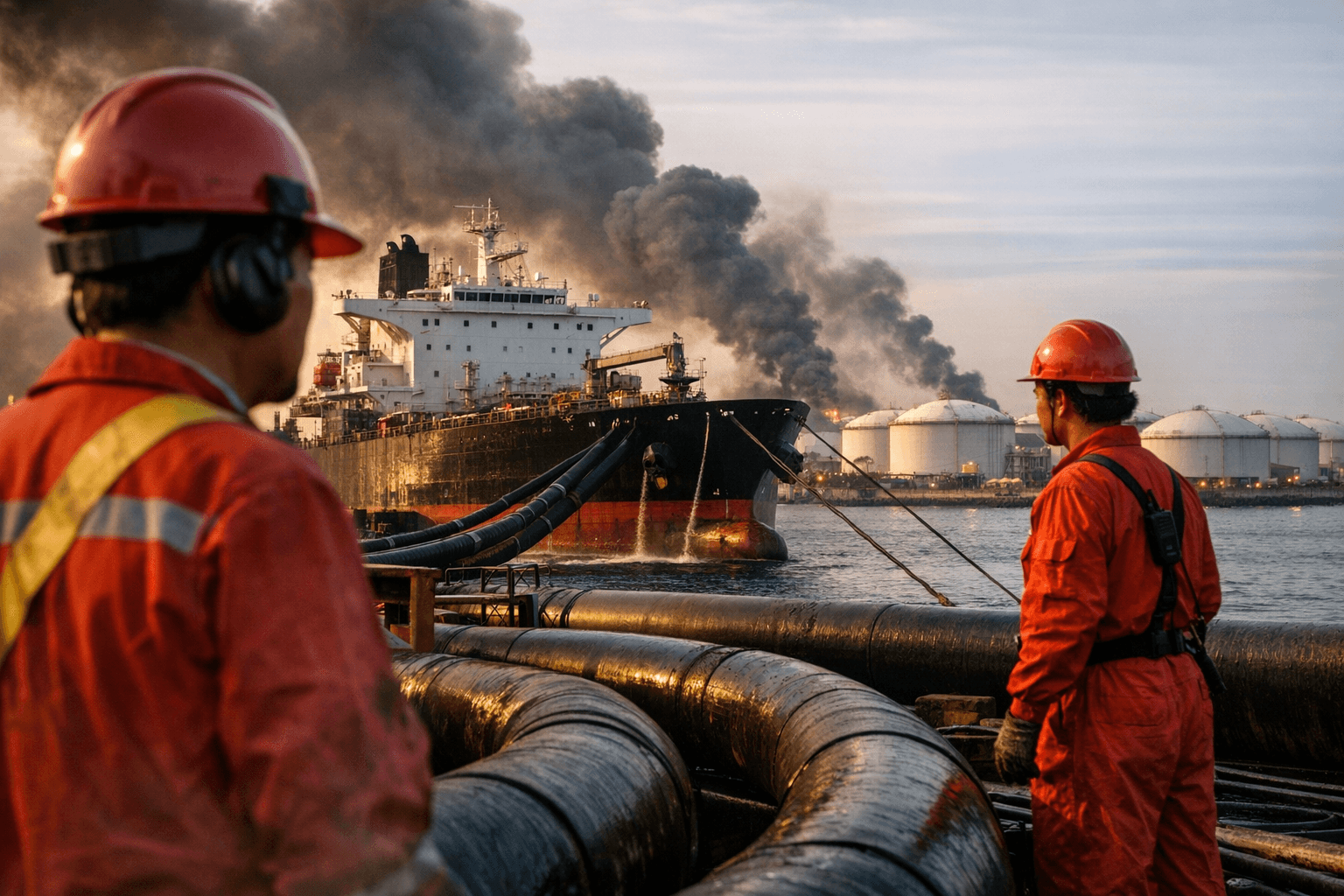
China accelerated crude oil purchases sharply in the first two months of 2026, with state refiners and traders racing to shore up inventories as conflict in the Middle East rattled global energy markets. Bloomberg reported Monday that Beijing bought significantly more cargoes during that period, driven by broad market disruption tied to the war in Iran and Tehran's retaliatory strikes on Gulf neighbors.
The buying surge is the latest payoff from a deliberate, year-long strategy. Last year, China boosted its crude oil imports to an annual all-time high, quietly amassing barrels into both commercial and strategic inventories while prices were depressed and sanctioned supply from Iran, Russia, and Venezuela was available at steep discounts.
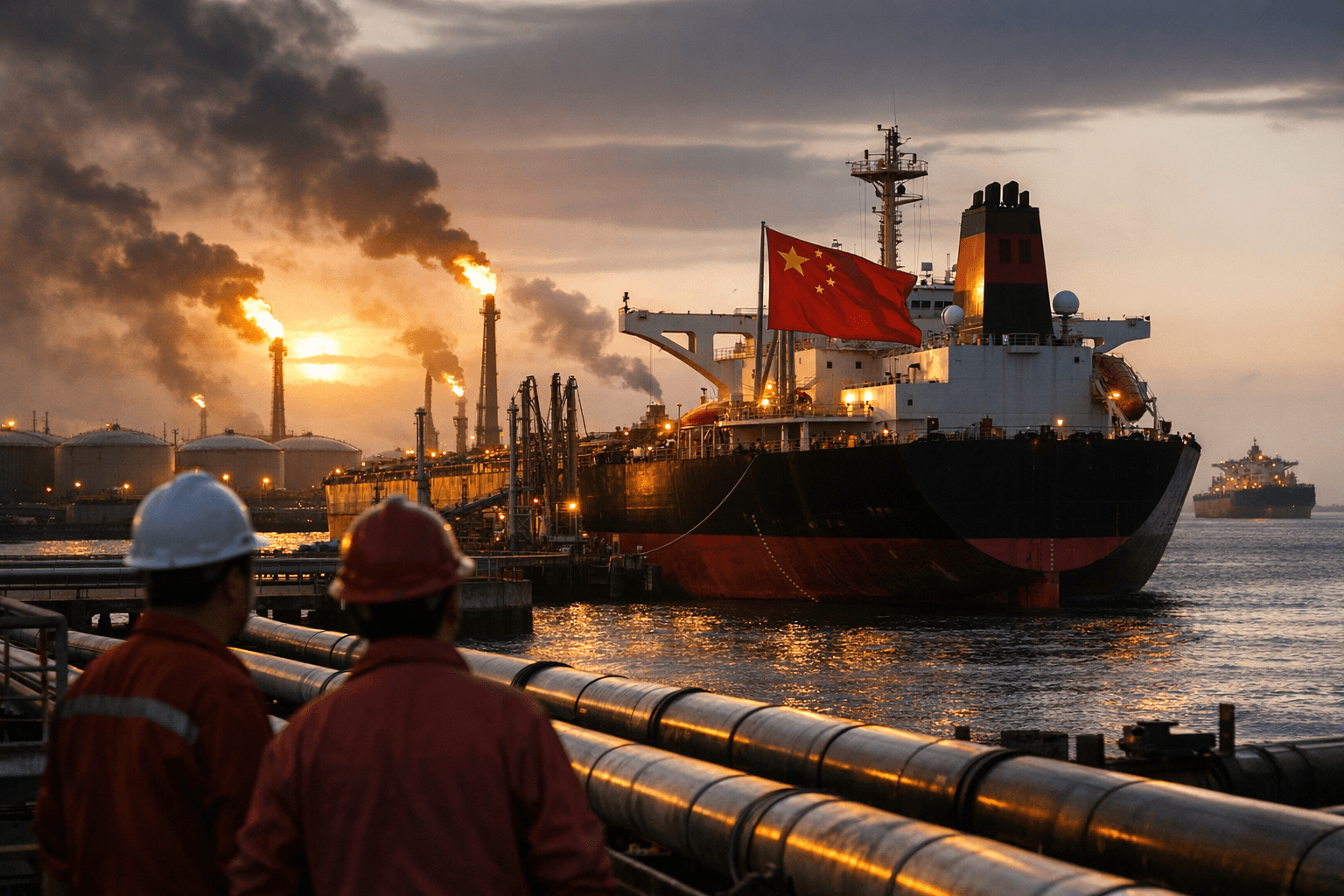
"China has been very wisely stockpiling a lot of crude last year so they have a buffer to overcome the current crisis," Jorge León, head of geopolitical analysis at Rystad Energy, told Bloomberg Television earlier this week. His assessment captures the strategic logic that Beijing has pursued with unusual discipline: buy cheap, store deep, insulate.
Beijing does not disclose its inventory levels, making precise assessments difficult. Analysts estimate the country sent at least 1 million barrels per day into storage last year. As the Finance Yahoo analysis puts it: "No one really knows the extent of Chinese inventories, but with low prices and expanding storage capacity, Beijing is estimated to have sent at least 1 million barrels per day of crude to storage last year."
China's energy security strategy, which has centered on aggressively buying cheaper crude including sanctioned barrels, is now insulating the world's second-largest economy, to some extent, from short-lived supply disruptions as the conflict in the Gulf escalates. Iranian and Russian crude that has been sitting in floating storage for weeks represents a ready supply China could absorb in the near term, further extending that buffer.
The sanctions landscape has also shifted in ways that benefit Beijing's buying strategy. Venezuela has returned to the legitimate oil market, with sales now under U.S. control, removing one source of discounted crude China previously accessed outside formal channels. In response, China has started buying record volumes of Russian crude, filling the gap as India, once a dominant buyer of discounted Russian supply, has pulled back.
The geopolitical arithmetic is stark. As India retreats from Russian oil and Western sanctions reshape global flows, China is positioning itself as the buyer of last resort for barrels that would otherwise sit idle. That gives Beijing unusual leverage in a disrupted market: the ability to absorb surplus from sanctioned producers while building buffers against precisely the kind of supply shock now roiling the Gulf.
The scale of China's inventory build creates a meaningful, if temporary, firewall. Analysts note the stockpiles can absorb short-duration disruptions without forcing Beijing to compete for spot cargoes at elevated prices. Whether that buffer holds depends on the duration and intensity of the Iran conflict. A prolonged closure of key Gulf shipping lanes or further escalation involving major production hubs would test the limits of even the largest undisclosed reserve base in the world.
This article was produced by Prism’s automated news system from verified source data, official records, and press releases, then run through automated quality and moderation checks before publishing. The system is built and supervised by the people who set the standards it runs under. Read our full AI policy.
Did this article answer your question?

