China tightens crackdown on illegal cross-border securities trading
Beijing is tightening the exits: investors have two years to unwind illegal overseas bets while Tiger, Futu and Longbridge face penalties.
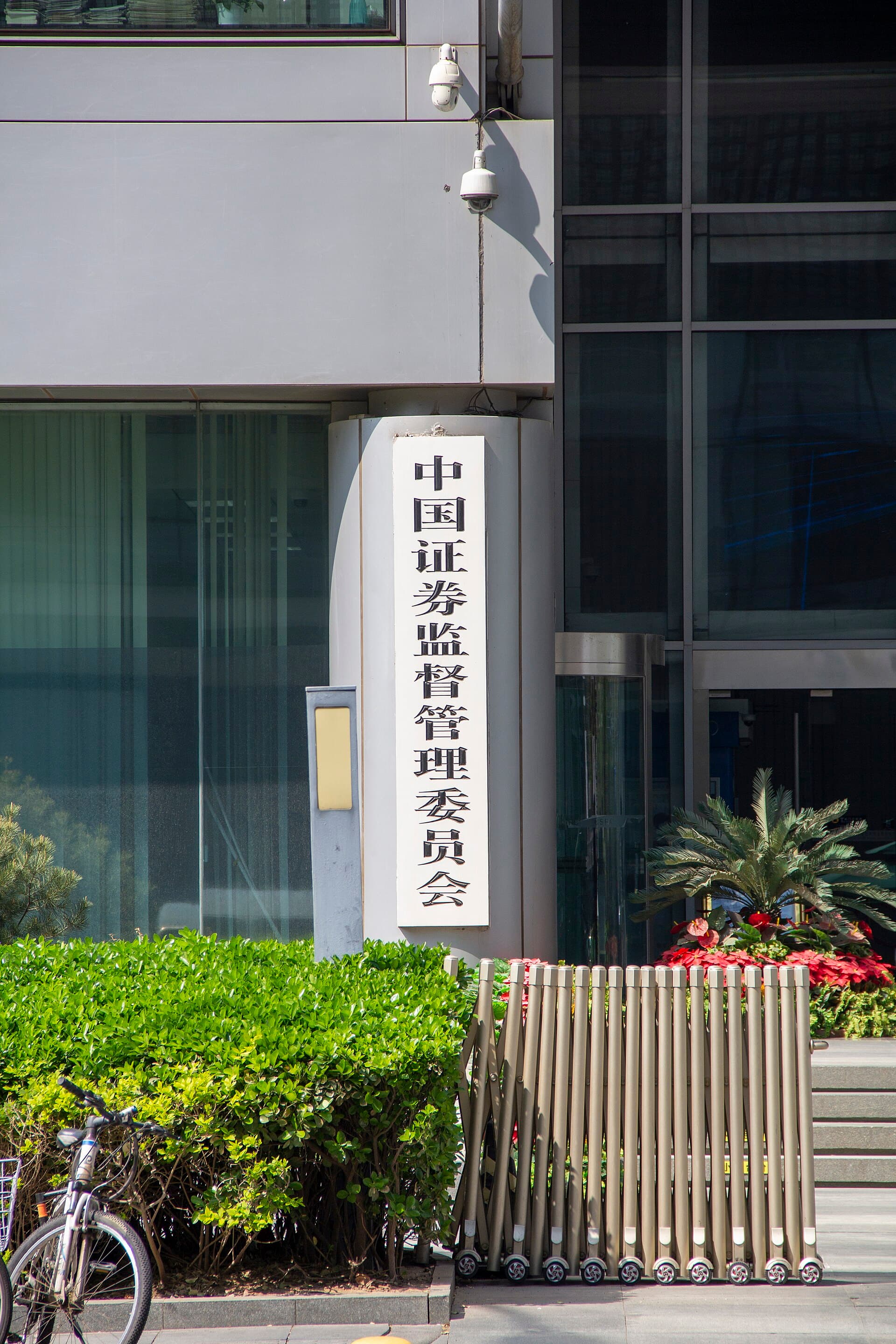
Beijing sent a blunt signal that capital control still outranks market liberalization as China widened a crackdown on illegal cross-border securities, futures and fund business. The China Securities Regulatory Commission said the campaign was being run with seven other government agencies, including the People’s Bank of China and the foreign-exchange regulator, underscoring that officials view the issue as a financial-stability threat, not just a licensing violation.
The regulator named Tiger Brokers, Futu Securities International and Longbridge Securities as firms that solicited business in China without onshore licences. Under the plan, affected investors were given a two-year grace period to unwind positions, but the rules are tight: they may sell existing holdings and withdraw funds, yet they cannot make new investments. For Beijing, the message is clear. The state is not simply warning brokerages off the mainland market; it is controlling the exit.
The enforcement drive also shows how long this campaign has been building. The CSRC said it was already advancing a cleanup of illegal cross-border operations involving Futu and Tiger Brokers in December 2022, and official reporting said the commission and seven other departments have now issued an implementation plan for comprehensive rectification of illegal cross-border securities, futures and fund operations. The coordinated push points to a durable policy shift, with multiple agencies working to limit channels that let mainland money move offshore outside approved routes.
Those approved routes remain narrow. Domestic investors are generally limited to Stock Connect, QDII funds and the cross-boundary Wealth Management Connect scheme. That constraint helps explain why unlicensed platforms became attractive to retail investors seeking foreign stocks and other overseas products, especially as demand for offshore exposure has grown. South China Morning Post reported that some government-approved overseas-stock funds ran out of quota and traded at premiums to net asset value, a sign of how strong that demand had become.
The crackdown landed immediately in markets. Up Fintech Holding, the parent of Tiger Brokers, and Futu ADRs fell more than 40% in pre-market trading after the announcement, according to market coverage. The selloff reflected more than a one-day shock. It exposed the regulatory risk facing global brokerages that built businesses around Chinese retail demand and now face a much narrower operating window as Beijing reasserts control over how domestic capital leaves the mainland.
Know something we missed? Have a correction or additional information?
Submit a Tip