Google appeals ruling that found illegal monopoly in search, ads
Google is fighting to keep its search default deals and ad power intact as a D.C. appeal could reshape how users find information online.
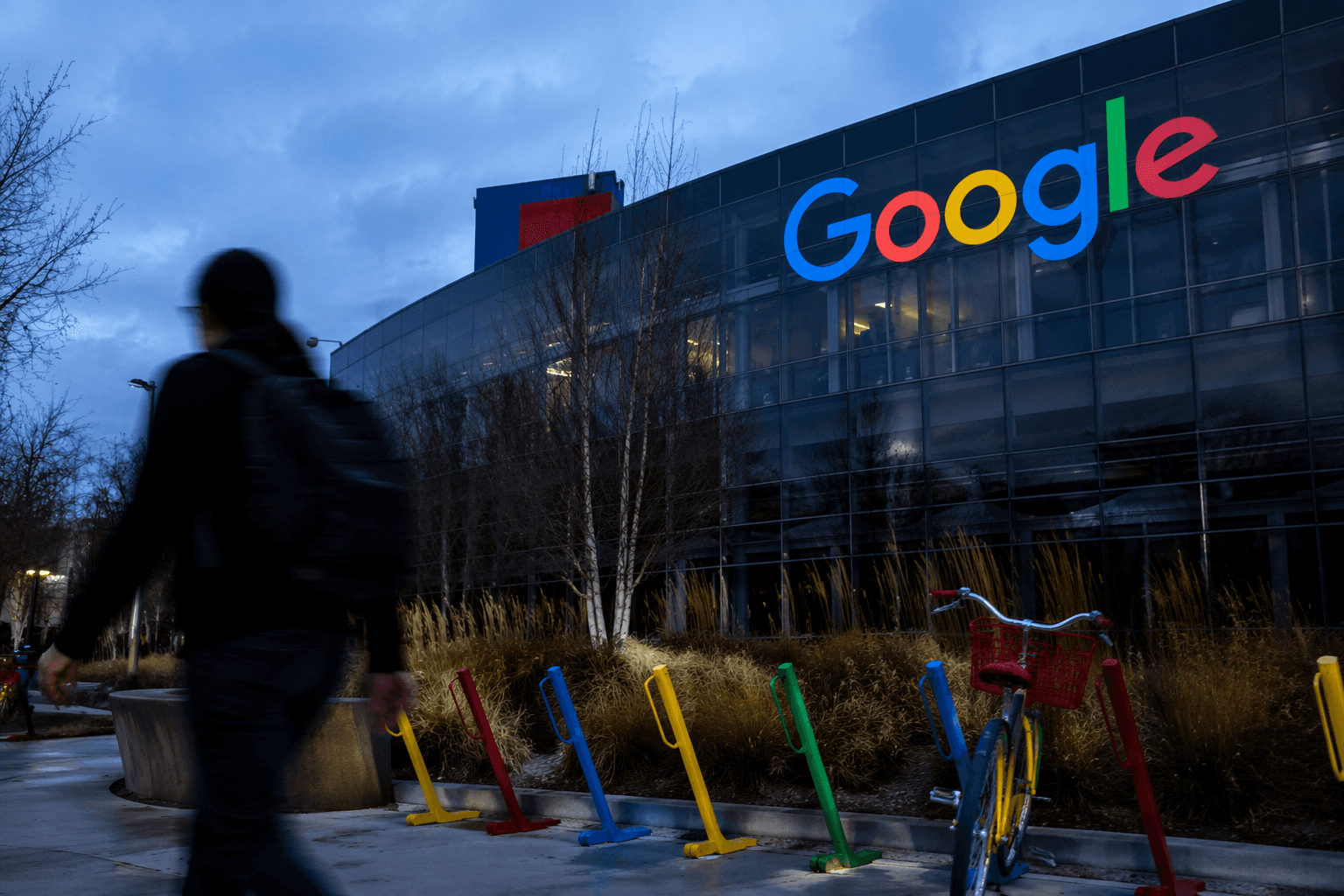
Google has asked the U.S. Court of Appeals for the D.C. Circuit to erase a Washington ruling that found the company illegally monopolized search and search advertising, a case that could decide whether Google keeps paying billions to stay the default engine on Apple devices.
U.S. District Judge Amit Mehta issued the liability ruling on August 5, 2024, in a 277-page opinion that found Google held about 90% of the internet search market. The case, brought by the U.S. Department of Justice and state plaintiffs in October 2020, was the first major federal antitrust case against a large tech company since Microsoft in the late 1990s.
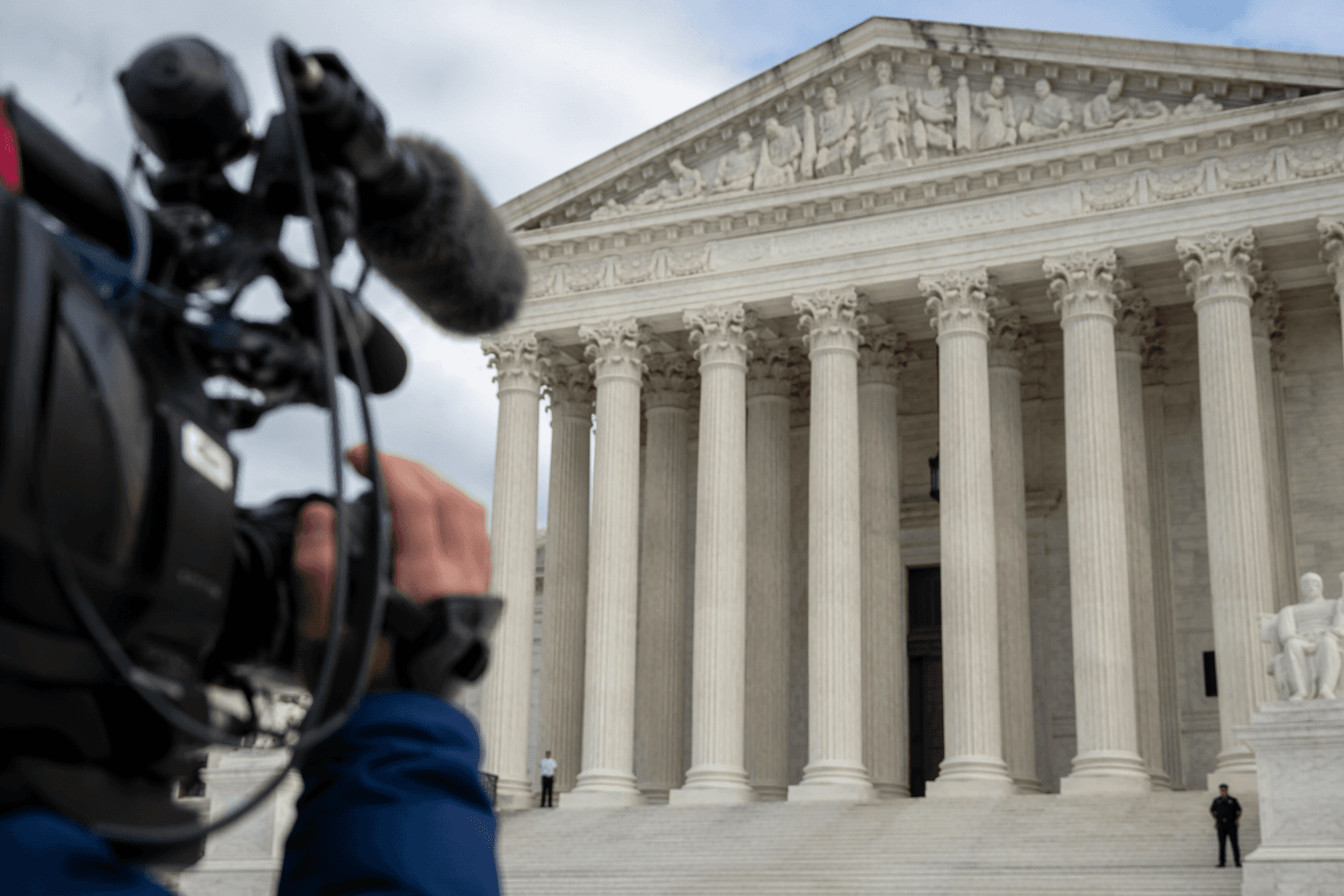
The dispute now turns on whether Google’s placement deals with Apple, Samsung, Verizon and others were evidence of exclusion or the product of a superior service. Google says Apple and Mozilla chose Google because it offered the highest-quality search experience and argues it won “fair and square” through innovation, not exclusion. It also says Apple and Mozilla remained free to promote rival search tools.
The remedies phase followed a 15-day hearing in May 2025, and on September 2, 2025, the court ordered Google to end exclusive distribution contracts tied to Search, Chrome, Assistant and Gemini. It also required Google to provide certain search data and syndication services to competitors. Google is seeking to block or narrow those remedies, saying the sharing of queries, clicks and results would create serious privacy and security risks.
The stakes reach beyond one company’s balance sheet. Google’s default placements on Safari across iPhones, iPads and Macs have been central to its reach, and the court’s data-sharing order could alter the scale advantage that comes from being the gateway to information for billions of users. The Justice Department has said the remedies were meant to pry open a market that had been “frozen in place for over a decade.”
The appeal lands as Google faces a broader shift in search, where AI assistants and generative tools are starting to challenge traditional query-and-results pages. The court had already signaled that rivals, including AI companies such as OpenAI, could gain access to some search data. If Google loses at the D.C. Circuit, the fight could move toward the Supreme Court, keeping one of the most consequential antitrust cases in tech at the center of the debate over who controls the web’s front door.
Know something we missed? Have a correction or additional information?
Submit a Tip