Petition seeks U.S. sanctions on Chinese seafood over shark protections
A petition asks NOAA to target China under U.S. seafood sanctions rules, a move that could hit importers, ports and seafood prices first.
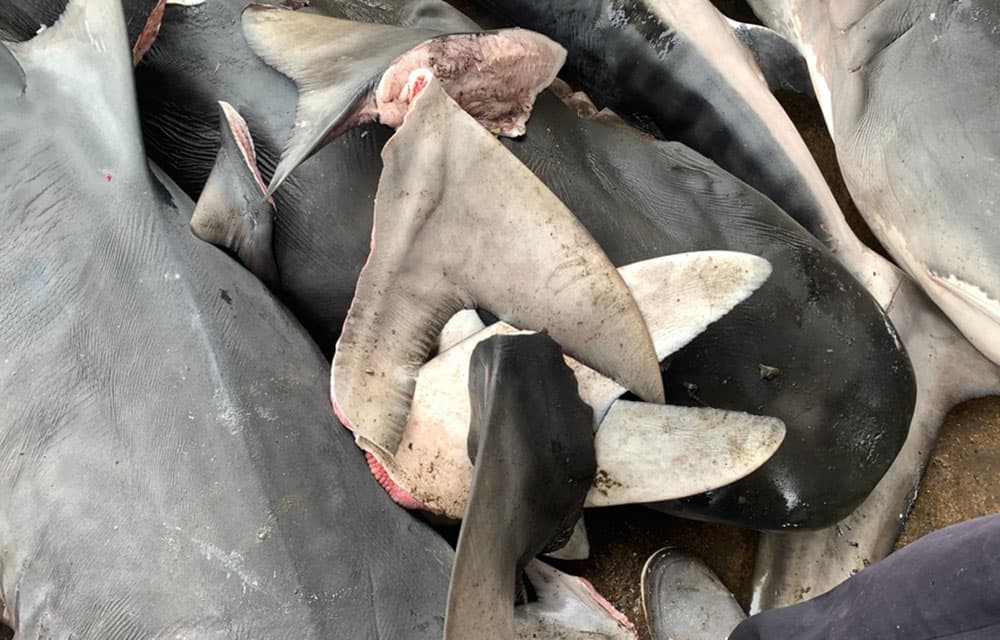
A new petition is pushing Washington toward a trade fight over sharks. The Center for Biological Diversity filed the request on May 12, asking NOAA Fisheries to identify China under the U.S. Moratorium Protection Act and open the door to sanctions on Chinese seafood if Beijing is judged to fall short of U.S.-equivalent shark conservation standards.
The group says China’s distant-water fleets operate across multiple oceans, with shark bycatch common in tuna fisheries and some vessels also targeting endangered or critically endangered species such as oceanic whitetip and shortfin mako sharks. The petition argues that China still lacks comprehensive protections comparable to U.S. shark law, even as industrial fishing has driven oceanic shark populations down by more than 70% since 1970 and left more than one-third of shark and ray species threatened with extinction. It says an estimated 80 million sharks are caught each year.
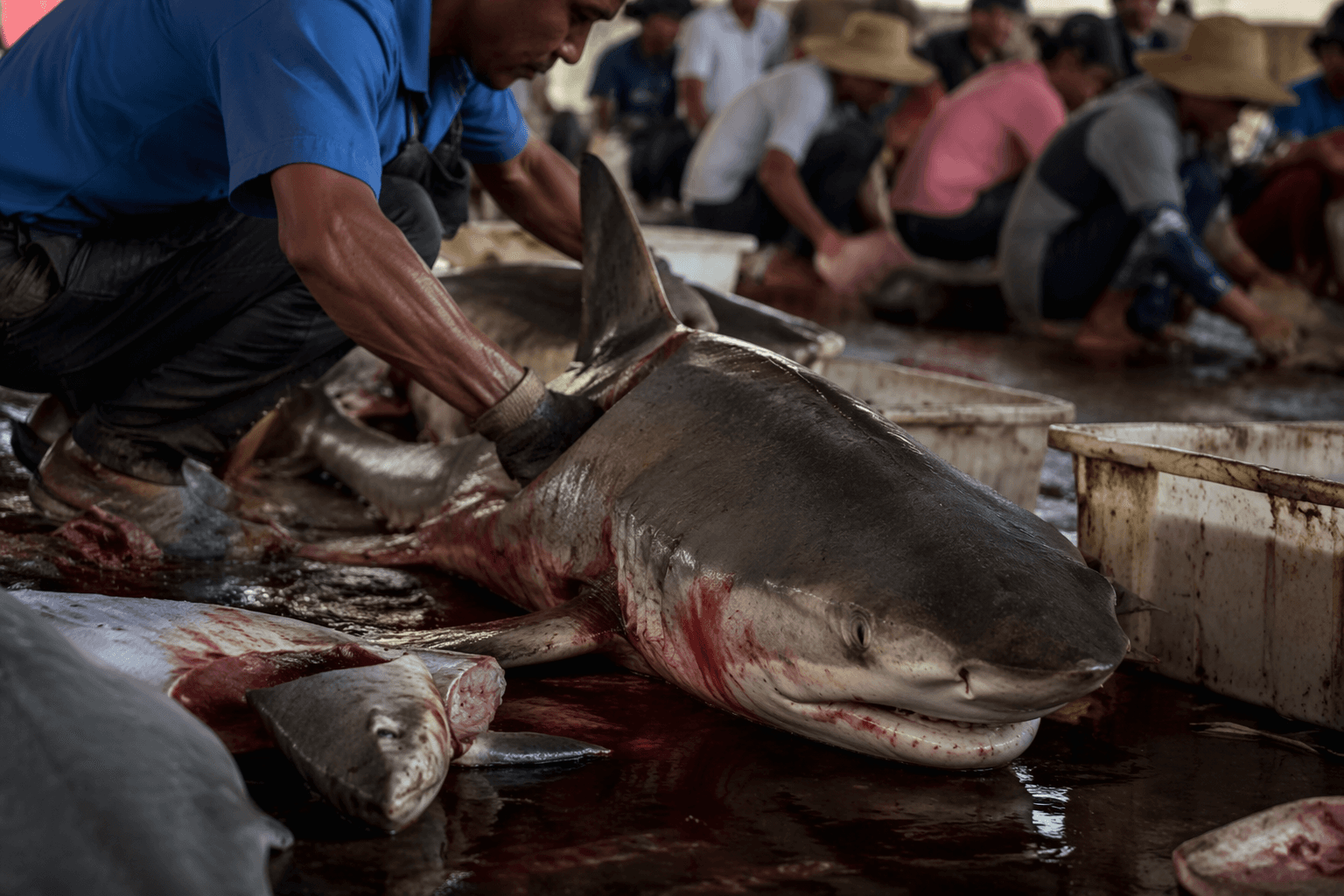
If NOAA were to issue a negative certification, the petition says the president could direct agencies to restrict imports of Chinese seafood through the law’s process. The first pressure point would likely be U.S. importers, port inspectors and seafood buyers that rely on Chinese supply chains. Any restriction would also carry broader commercial risk because seafood is a high-volume, fast-moving trade, and even limited enforcement could ripple into distribution costs and retail pricing.
The petition lands as NOAA is already tightening scrutiny on foreign fishing fleets. On September 2, 2025, NOAA said fish and fish products from fisheries denied comparability findings would be barred from import beginning January 1, 2026. China appears on NOAA’s 2025 comparability findings list among nations denied such findings for a subset of fisheries, underscoring how environmental enforcement is increasingly being used as a trade lever.
NOAA’s 2024 Shark Finning Report to Congress shows how the United States has tried to separate itself from the fin trade while still maintaining a shark fishery of its own. The agency said the United States had not imported shark fins since 2019 and had no shark fin exports in 2023. U.S. fishermen landed more than 12.2 million pounds of sharks in 2022, worth more than $3.8 million, and exported 6,474,798 pounds of shark in 2023 valued at $12,312,633, with France, Thailand and Mexico the top destinations.
The legal backdrop is already in place. NOAA says the Shark Finning Prohibition Act of 2000 banned shark finning under U.S. jurisdiction, and the Shark Conservation Act of 2010 strengthened those rules. The current petition tries to extend that logic offshore, turning shark protections into a test of whether China’s seafood can keep flowing into the U.S. market.
Know something we missed? Have a correction or additional information?
Submit a Tip