China Tightens Trade Grip Before Trump-Xi Summit, Testing U.S. Response
China moved to punish supply-chain exit strategies just weeks before Trump meets Xi, forcing Washington to decide whether silence is strategy or surrender.
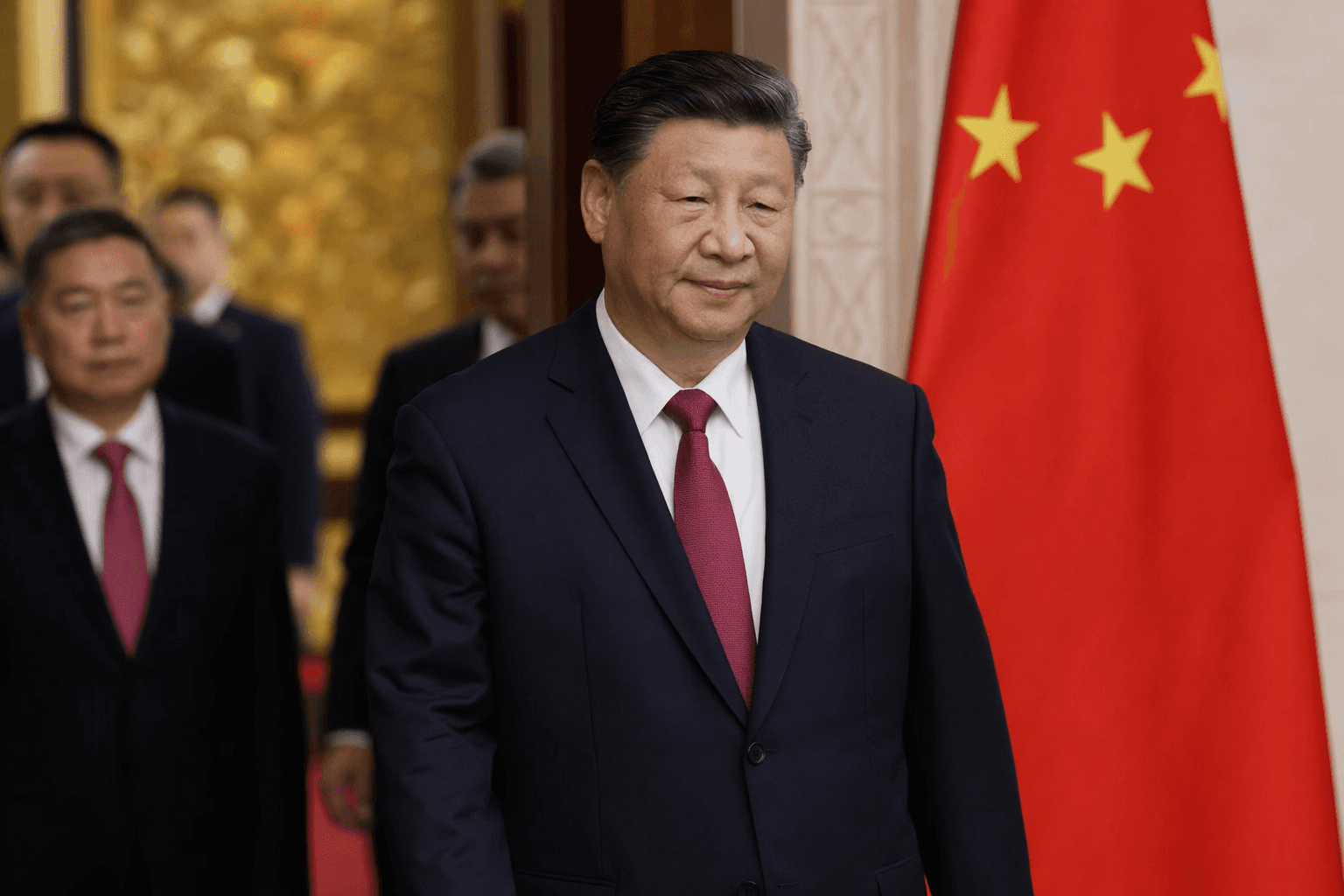
Beijing has widened its leverage ahead of Donald Trump’s planned summit with Xi Jinping by rolling out new trade rules that can punish foreign companies for trying to reduce dependence on China. The State Council issued the measures on April 7 and April 13, and they took effect immediately, giving Chinese authorities fresh tools to investigate conduct they view as threatening industrial security, supply-chain security or Beijing’s wider economic interests.
The rules matter because they turn trade policy into pressure policy. Legal analyses say the framework can reach foreign governments, organizations, companies and individuals if their actions are seen as anti-China or supply-chain threatening. In practical terms, that means a company that shifts sourcing away from China could face Chinese scrutiny, while Beijing retains the ability to defend its own market access and supply chains as Washington presses firms to “derisk” from China.
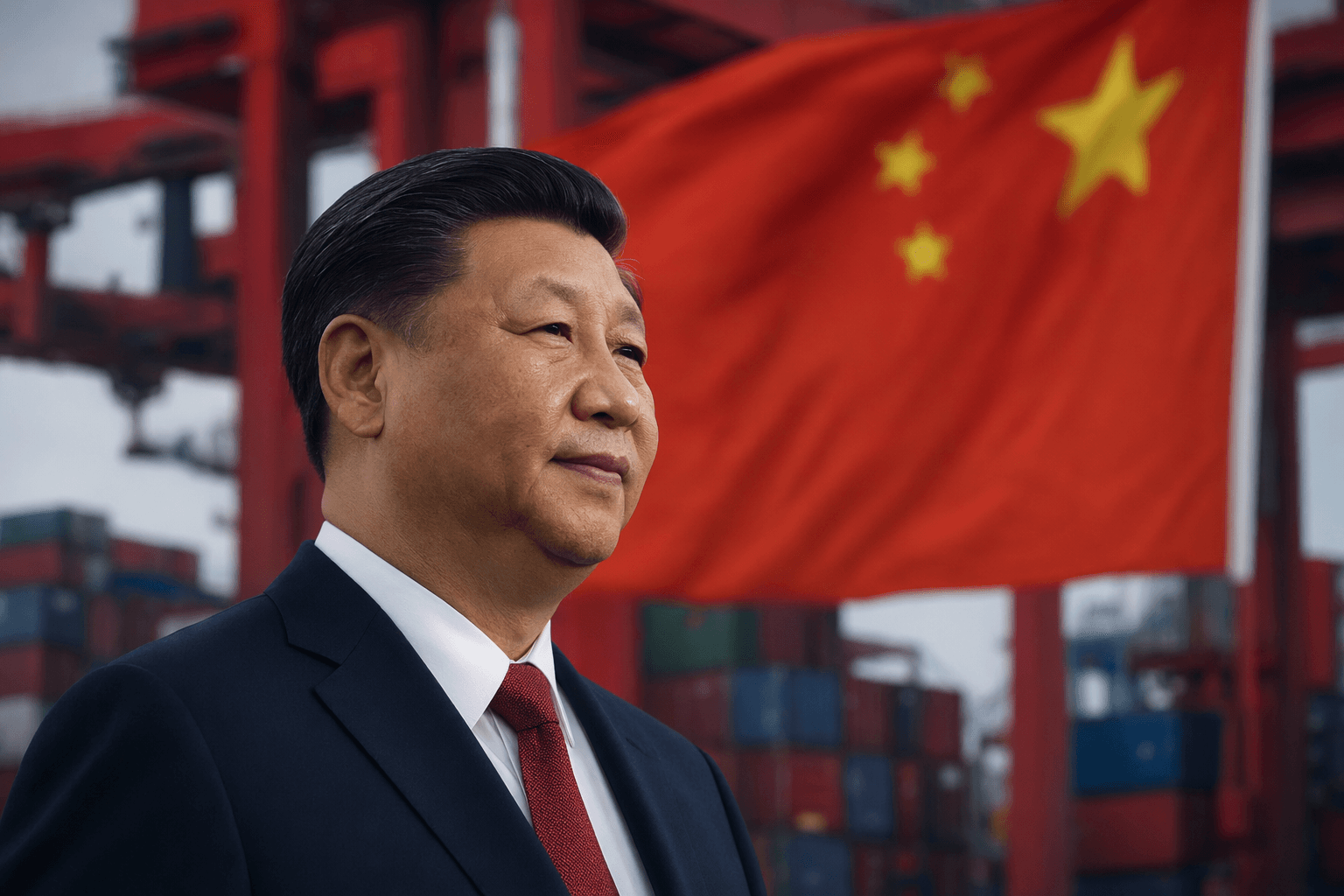
Business groups have warned that the timing is deliberate. The new rules arrived only weeks before Trump’s May 14-15 meeting with Xi, as the two sides try to preserve a fragile pause in the trade war. The American Chamber of Commerce in China said foreign firms could be investigated if they reduce dependence on China, raising the stakes for companies trying to diversify into critical minerals, medicines and other strategic inputs. For multinationals, the message is blunt: moving supply chains out of China is no longer just a commercial decision, but a political one that could trigger retaliation.
The White House has so far stayed publicly restrained, a posture that may reflect tactical discipline or a reluctance to hand Beijing a preview of its response. Craig Singleton of the Foundation for Defense of Democracies said that silence could signal weakness, and Beijing appears to be testing exactly that. The question is whether Washington will challenge the rules before the summit or hold its fire to protect negotiating space.
The broader fight is over who sets the terms of the economic relationship before leaders even sit down. China is trying to keep itself at the center of global production networks, while the Trump administration is urging companies to move production toward friendlier suppliers or back home. That tension was underscored on April 30, when Scott Bessent and Chinese Vice Premier He Lifeng held what was described as a “candid” call ahead of the summit. The next step could determine whether the trade truce survives or gives way to another round of confrontation.
This article was produced by Prism’s automated news system from verified source data, official records, and press releases, then run through automated quality and moderation checks before publishing. The system is built and supervised by the people who set the standards it runs under. Read our full AI policy.
Did this article answer your question?
%3Amax_bytes(150000)%3Astrip_icc()%2FCertificate-of-deposit-2301f2164ceb4e91b100cb92aa6f868a.jpg&w=1920&q=75)