China to Send Two Giant Pandas to Zoo Atlanta Under New Deal
Zoo Atlanta is set to receive Ping Ping and Fu Shuang under a 10-year pact that revives panda diplomacy after years of U.S.-China strain.

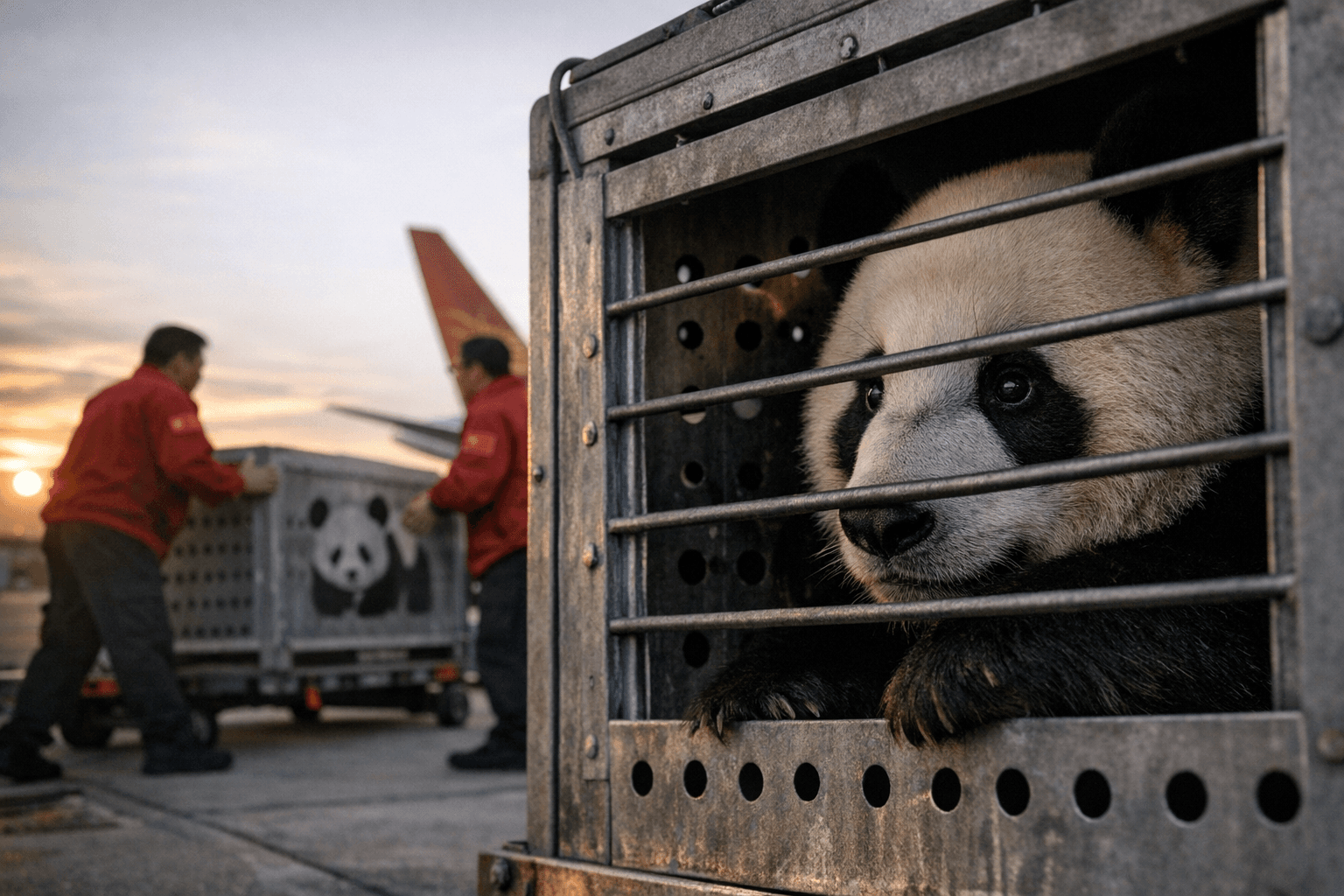
China will send two giant pandas, Ping Ping and Fu Shuang, to Zoo Atlanta under a new conservation deal that restores one of the clearest symbols of U.S.-China cultural ties just as relations between Washington and Beijing remain tense. Both pandas were born at the Chengdu Research Base of Giant Panda Breeding in China, and Zoo Atlanta said they are expected to arrive under a new International Cooperative Research Agreement on Giant Panda Conservation.
The agreement is built as a 10-year conservation partnership, with the China Wildlife Conservation Association saying the U.S. side is already carrying out facility upgrades and other preparations to create a safer and more comfortable environment for the pair. The terms make the exchange as much a scientific arrangement as a diplomatic one: the partnership is meant to support conservation and research efforts for a species that remains a global conservation priority, while also renewing a channel of cooperation that the association said dates to 1999.
For Zoo Atlanta, the return of pandas marks the end of a gap that began after its previous panda era closed in 2024. Lun Lun, Yang Yang, Ya Lun and Xi Lun returned to China after a 25-year partnership that made Atlanta one of the best-known panda sites in the United States. Over that quarter-century, the zoo’s program produced seven cubs, including Mei Lan, Xi Lan, Po, Mei Lun and Mei Huan, a record that helped turn the exhibit into a long-running breeding and conservation effort rather than a simple attraction.
Raymond B. King, Zoo Atlanta’s president and chief executive, said the zoo was “delighted and honored” to again be trusted as stewards of the species. That language underscored the diplomatic value of the deal as much as its scientific one. China has often used pandas as a soft-power bridge, and the new announcement arrived less than a month before a planned visit by U.S. President Donald Trump to Beijing, adding fresh symbolism to an already closely watched relationship.
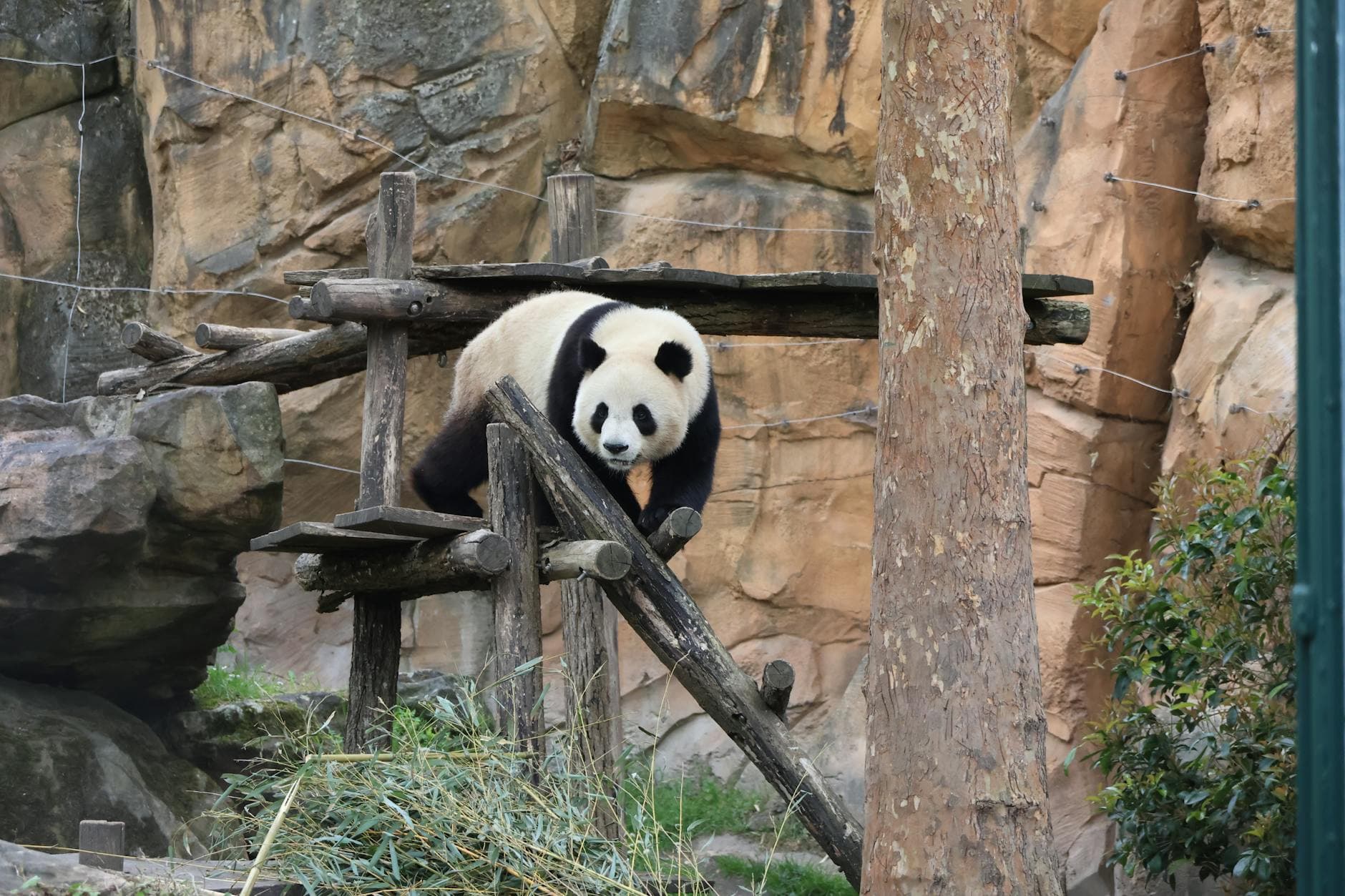
The new pair will now become part of a renewed conservation partnership that links Atlanta, Chengdu and the broader U.S.-China scientific exchange network. After a year without pandas, Zoo Atlanta is once again at the center of a cross-border arrangement that blends breeding, research, facility investment and statecraft in a single highly visible exchange.
This article was produced by Prism’s automated news system from verified source data, official records, and press releases, then run through automated quality and moderation checks before publishing. The system is built and supervised by the people who set the standards it runs under. Read our full AI policy.
Did this article answer your question?


