China urges ceasefire as Strait of Hormuz blockade rattles markets
China warned that blocking the Strait of Hormuz would harm global interests, as oil prices jumped and ships turned back from one of the world’s busiest energy lanes.
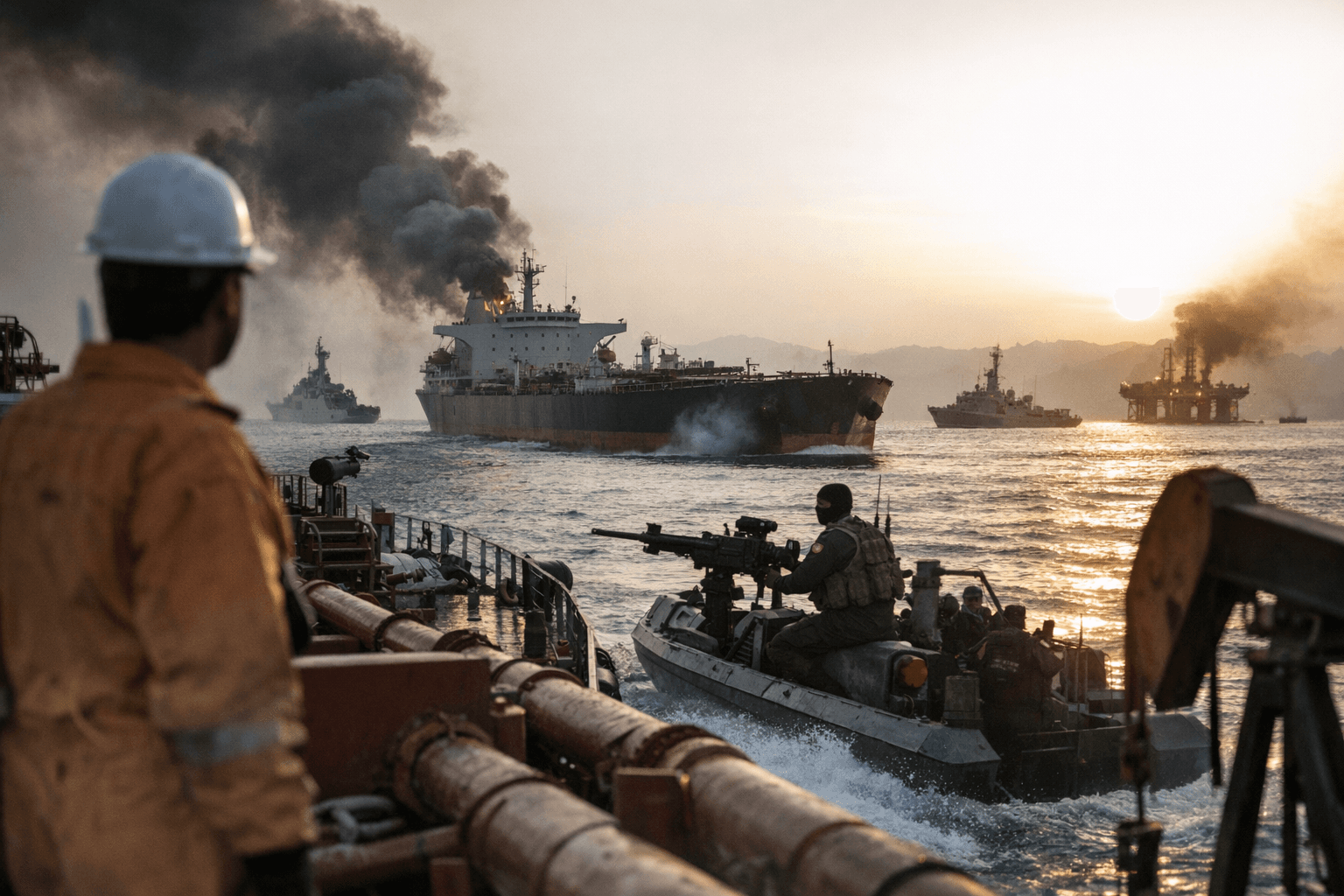
China moved to cast the Strait of Hormuz standoff as a threat to the world economy, not just a U.S.-Iran confrontation, warning that blocking the waterway would not serve the common interests of the international community.
Chinese Foreign Minister Wang Yi told Khaldoon Khalifa Al Mubarak, a special envoy of the United Arab Emirates president, that the crisis needed a comprehensive and lasting ceasefire reached through political and diplomatic means. Beijing’s message put China squarely on the side of restraint as pressure grew on Washington and Tehran over Iran’s ports and shipping lanes.
The warning landed as the U.S. military said its blockade covered maritime traffic entering and exiting Iranian ports and coastal areas, with the restriction extending east to the Gulf of Oman and the Arabian Sea. Reuters reported that at least two merchant ships turned around as the operation began, later rising to at least six ships ordered back. Even so, ship-tracking data showed at least eight vessels, including three Iran-linked tankers, still crossed the Strait of Hormuz on the first full day, underscoring how uneven and fluid the disruption remained.
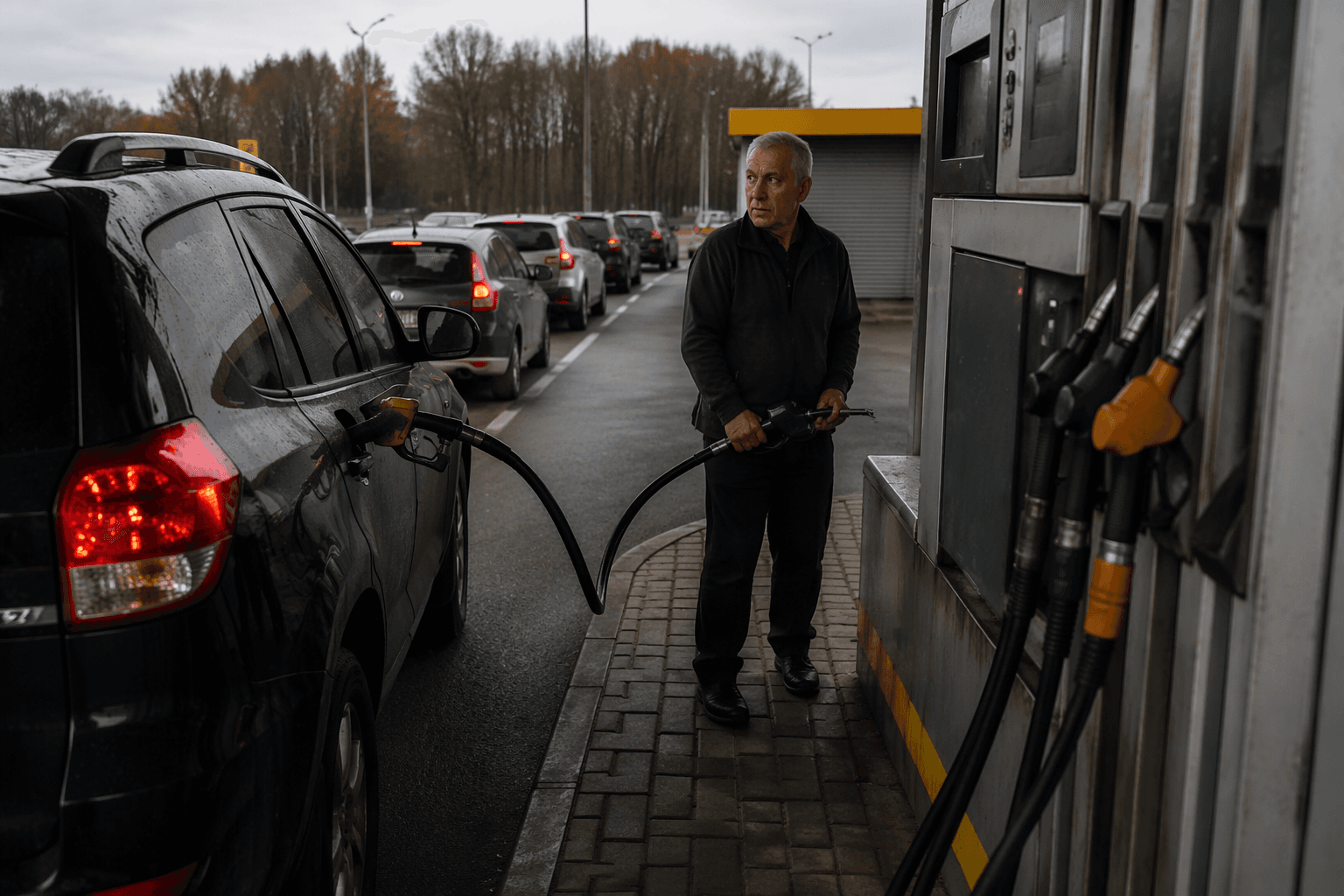
The market reaction was immediate. CBS News reported that U.S. crude briefly climbed to $104.24 a barrel and Brent rose to $102.29 after the blockade announcement. The stakes reach far beyond the Gulf: the International Energy Agency says about 20 million barrels a day of crude oil and oil products moved through the strait in 2025, equal to roughly a quarter of global seaborne oil trade, and about 80% of that volume was destined for Asia.
The energy exposure is even sharper for liquefied natural gas. The IEA says about 93% of Qatar’s LNG exports and 96% of the United Arab Emirates’ LNG exports transit the strait, making any prolonged interruption a direct threat to regional suppliers and their customers. Iran’s army responded by calling the U.S. blockade plan piracy, sharpening the risk of retaliation as diplomats scrambled to keep the confrontation from spilling further into the global energy system. China’s intervention signaled that major powers outside the conflict now see Hormuz as a global pressure point, where military escalation could quickly translate into higher insurance costs, pricier fuel, and deeper strain on international trade.
This article was produced by Prism’s automated news system from verified source data, official records, and press releases, then run through automated quality and moderation checks before publishing. The system is built and supervised by the people who set the standards it runs under. Read our full AI policy.
Did this article answer your question?