China’s CXMT targets blockbuster Shanghai IPO amid AI chip boom
CXMT fixed its Shanghai IPO at 8.66 yuan a share, with the deal set to raise up to 66.6 billion yuan and deepen China’s memory-chip push.

ChangXin Memory Technologies set the price for its Shanghai initial public offering at 8.66 yuan a share, putting the deal on track to raise 57.9 billion yuan, or about $8.1 billion, before any greenshoe. If the over-allotment option is fully exercised, the offering could reach 66.6 billion yuan and become the second-largest IPO in China’s history, behind Agricultural Bank of China.
The listing is a major bet on a company that was founded in 2016 in Hefei, Anhui province, and built its business on DRAM memory chips used in mobile phones, PCs, tablets, servers and other products. CXMT has long trailed Samsung Electronics and SK Hynix in technology, but it has become far more central to Beijing’s push for semiconductor self-reliance and secure AI-chip supply chains as export controls tighten and memory demand rises.
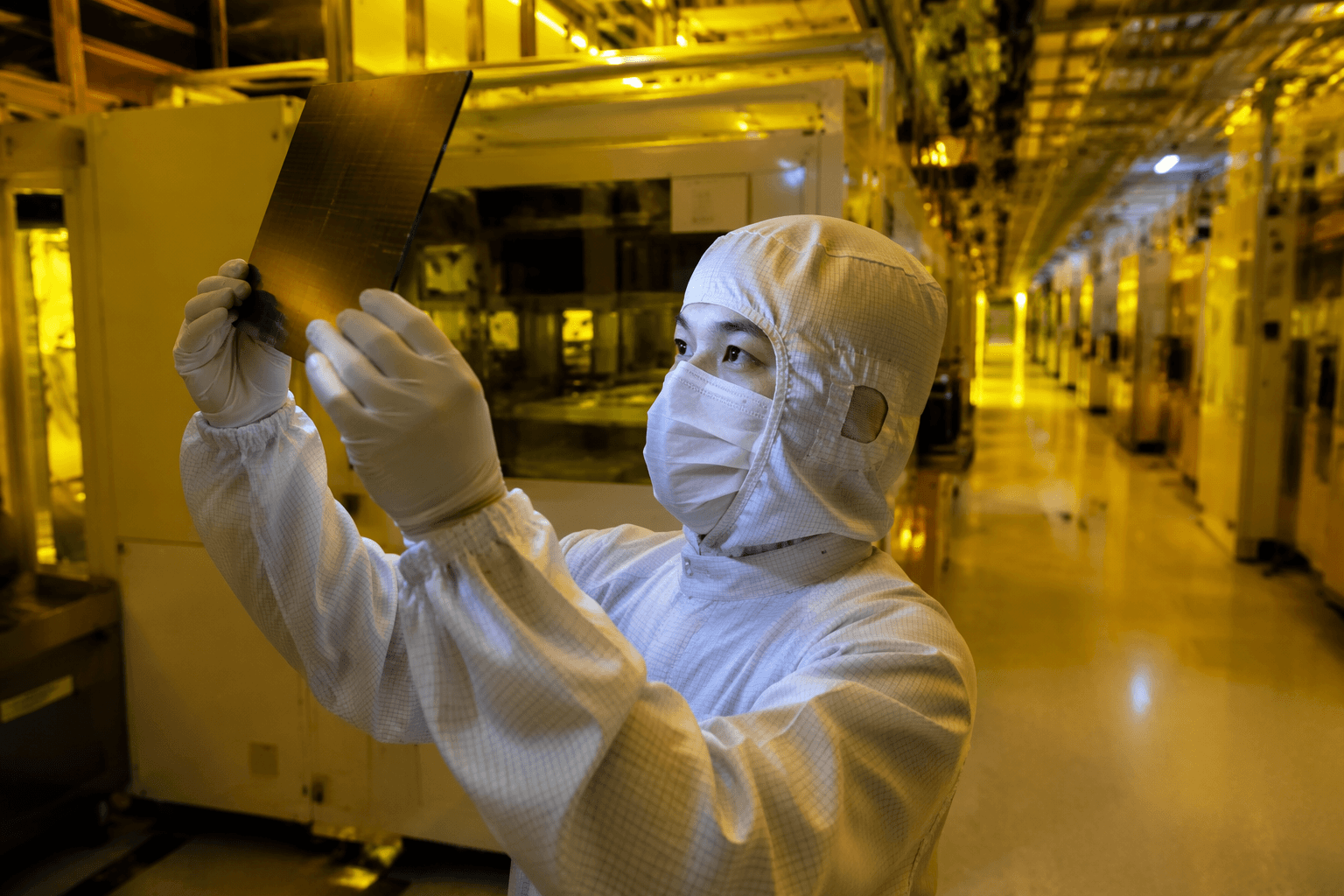
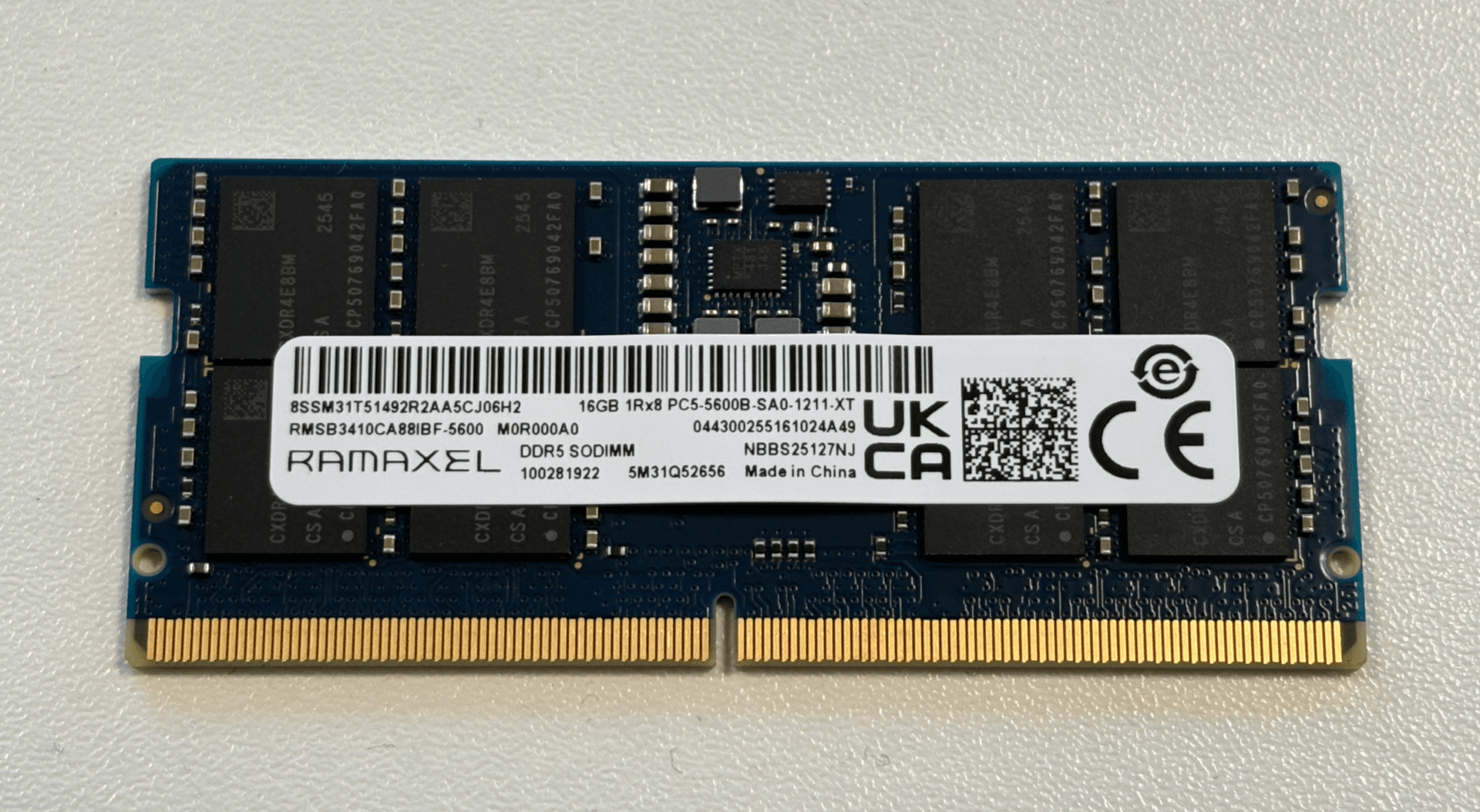
The fundraising comes as memory markets are being pulled higher by AI workloads and by greater volatility in global chip stocks. CXMT has said proceeds from the IPO will go toward upgrading production lines and technologies, a signal that the company wants to move beyond commodity DRAM and into higher-value memory products. Industry coverage has tied that effort to DDR5, LPDDR5 and LPDDR5X, as well as high-bandwidth memory for AI applications, the category now shaping the fastest-growing part of the market.
CXMT has also locked in commercial demand ahead of its market debut. The company signed a long-term supply agreement with Tencent worth more than 20 billion yuan, or about $2.94 billion, underscoring how large Chinese technology groups are seeking steadier access to memory chips. Strategic-investor lists tied to the IPO have included Xiaomi, Alibaba Cloud, Chery, ZTE, Tencent, Meituan and Nio, reflecting a broad domestic scramble for supply security across consumer electronics, cloud computing and electric vehicles.
The offering has become more than a balance-sheet event for one manufacturer. It is a test of whether China can use massive state-backed capital and industrial policy to narrow the gap with the world’s leading memory makers, or whether the IPO instead highlights how far the country still depends on foreign technology even as it tries to build a homegrown AI stack.
This article was produced by Prism’s automated news system from verified source data, official records, and press releases, then run through automated quality and moderation checks before publishing. The system is built and supervised by the people who set the standards it runs under. Read our full AI policy.
Did this article answer your question?