China’s economy grows at slowest pace since 2022, missing target
China’s GDP rose 4.3% in the second quarter, the weakest pace since late 2022, as property investment, demand and confidence stayed soft.
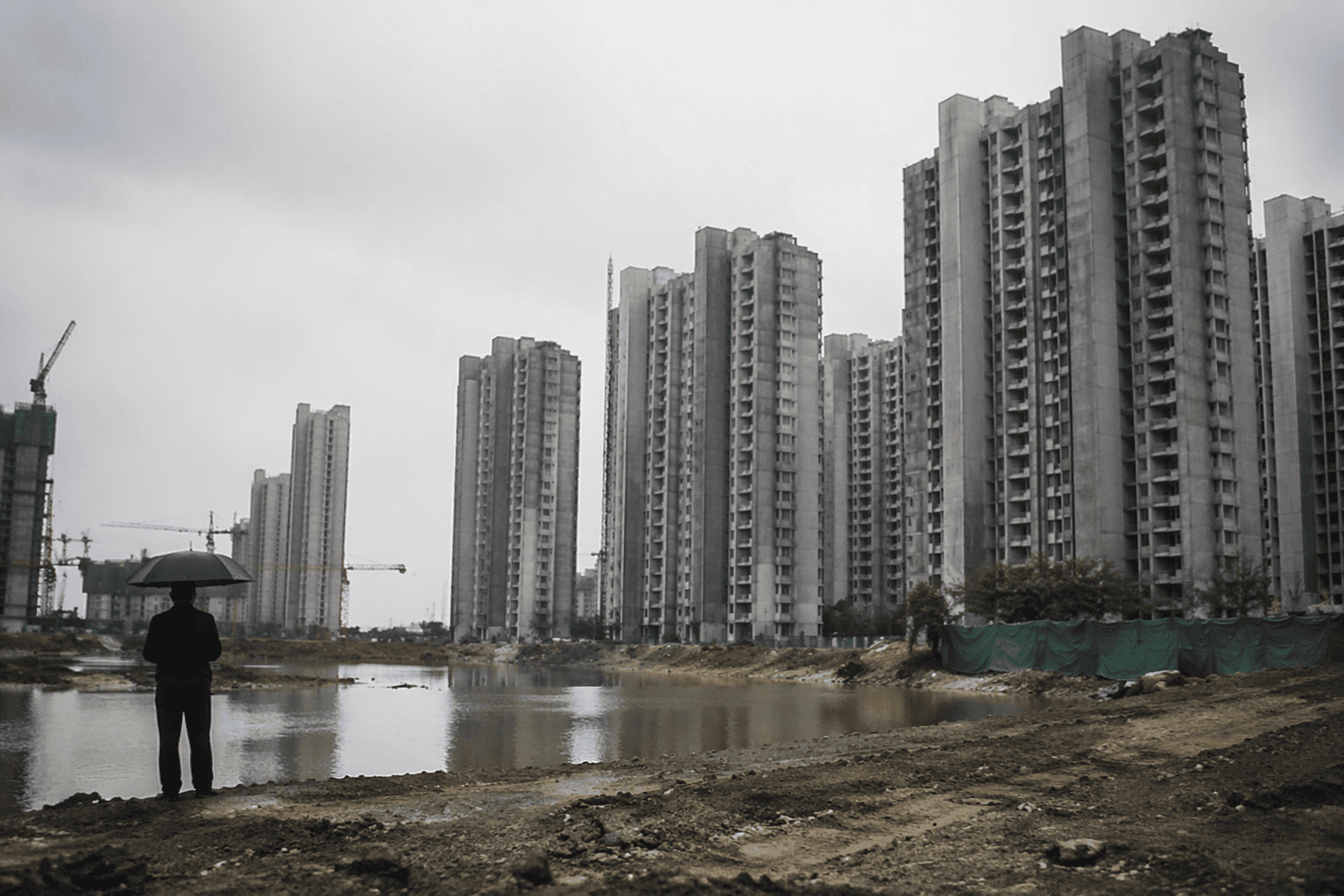
China’s economy grew 4.3% in the second quarter, the slowest pace since late 2022 and below the 4.5% forecast from Reuters-poll economists. The result put full-year growth in a tighter spot just as Beijing is trying to defend a 4.5% to 5% target.
The National Bureau of Statistics said the economy had “operated within an appropriate range,” and deputy head Mao Shengyong told reporters the pace remained in line with the annual target. Even so, first-half GDP growth came in at 4.7%, reaching about 69.57 trillion yuan.
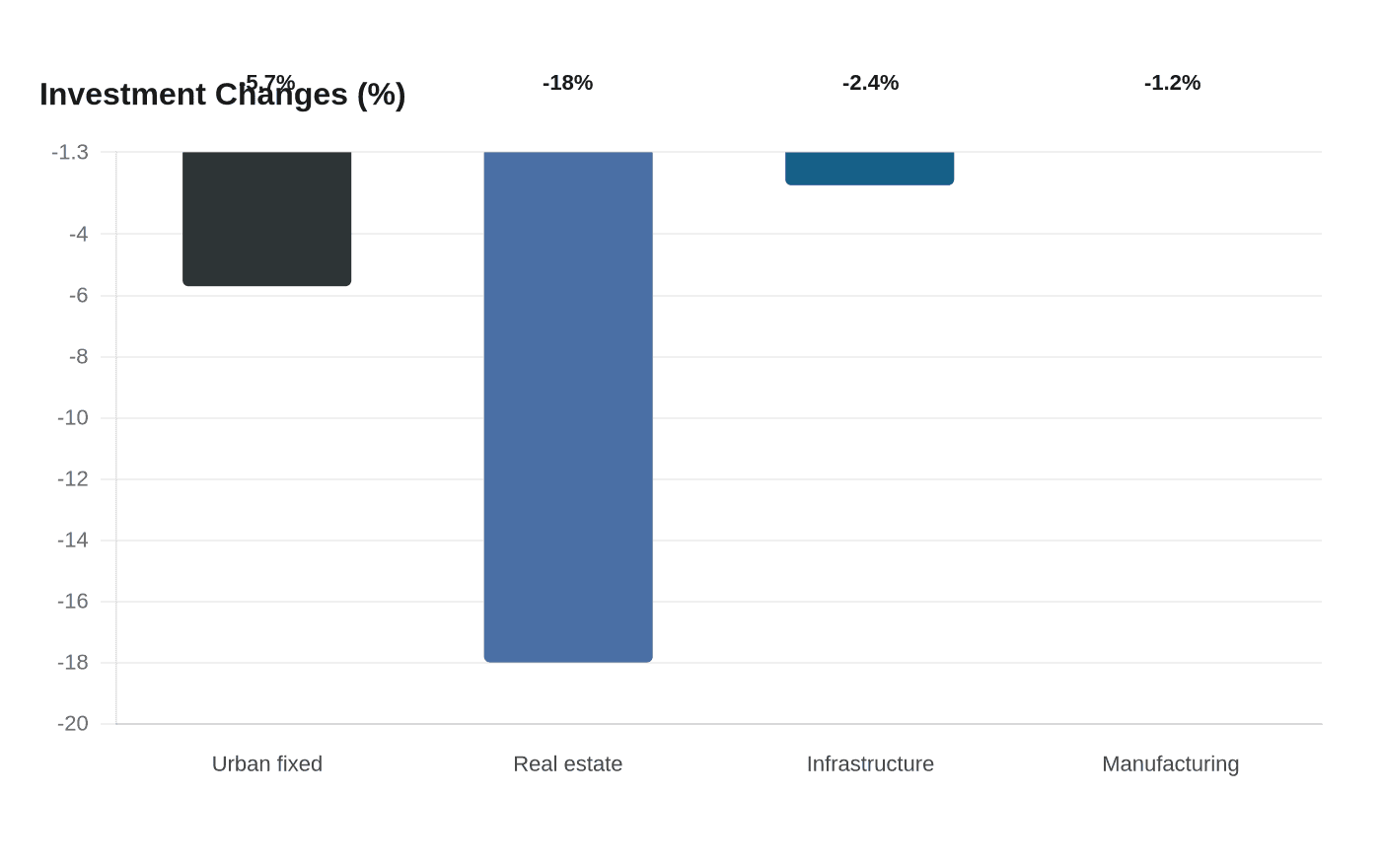
Urban fixed-asset investment fell 5.7% in the first six months of 2026. Real estate investment dropped 18%, infrastructure investment declined 2.4% and manufacturing investment slipped 1.2%.
Consumer spending has not filled the gap. June retail sales rose 1.0% from a year earlier after falling 0.6% in May, while industrial output increased 5.3%. The jobless rate in surveyed urban areas eased to 5.0%, and per capita disposable income rose 5.2% in the first half.
The World Bank projects growth to slow further to 4.4% in 2026 and 4.3% in 2027, citing property weakness and cautious consumers. For U.S. exporters, European manufacturers and global investors, a softer China means weaker demand for imported goods, fewer tailwinds for commodity markets, and a slower rebound in industries tied to construction and heavy equipment. It also leaves supply chains leaning more heavily on Chinese factories even as domestic demand lags.
Weak domestic demand and the oil shock tied to the Iran war outweighed stronger production and exports. AI-led export strength is still lifting industrial output, but household spending and private investment remain subdued, leaving Beijing with familiar tools such as infrastructure support and a possible policy-rate cut if it wants to stabilize growth in the third quarter.
This article was produced by Prism’s automated news system from verified source data, official records, and press releases, then run through automated quality and moderation checks before publishing. The system is built and supervised by the people who set the standards it runs under. Read our full AI policy.
Did this article answer your question?