China’s influence campaign in the US exposed by espionage cases
Two Queens men were accused of helping Beijing track dissidents, exposing how Chinese influence operations reached diaspora communities and civil-liberties lines in the US.
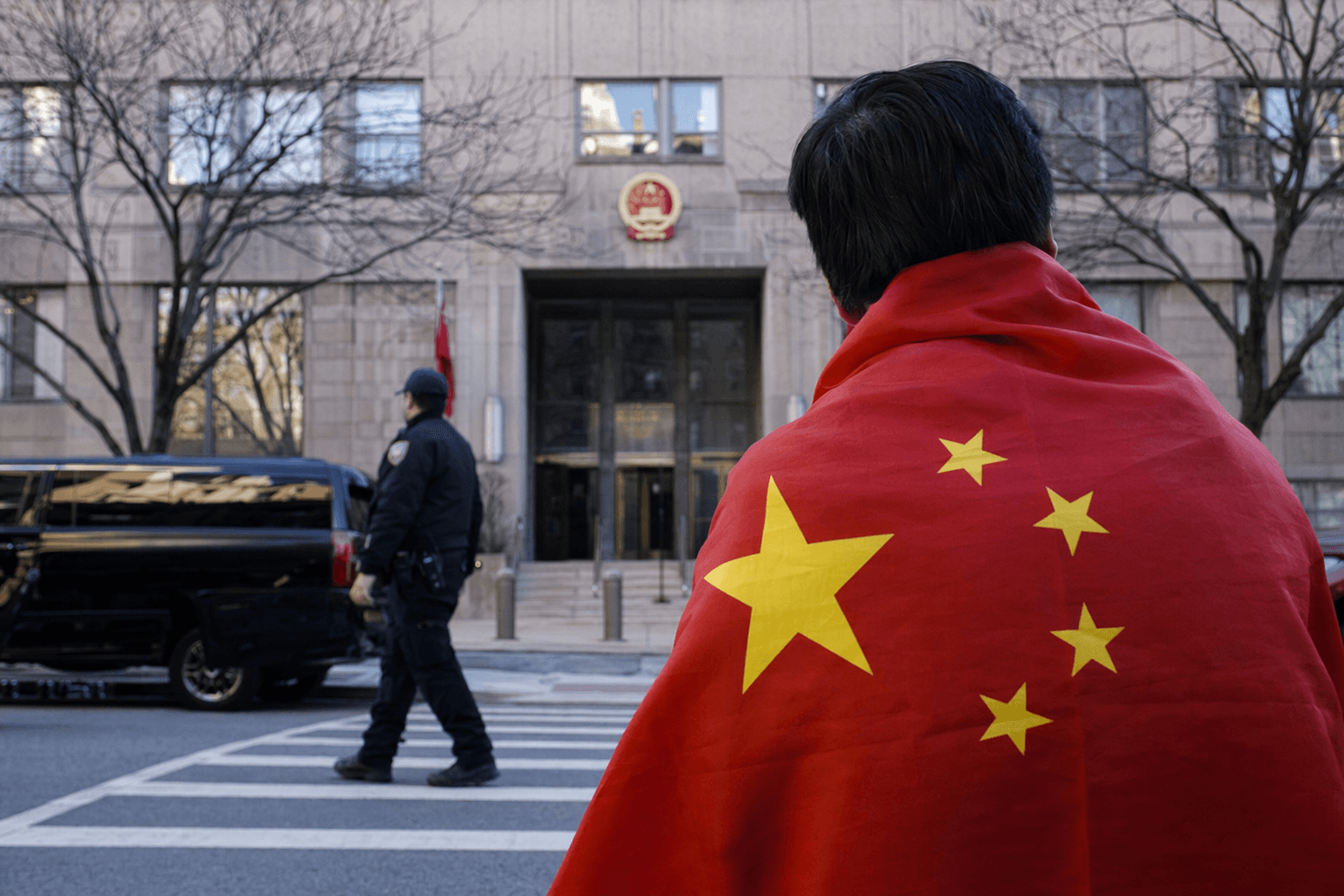
China’s pressure campaign in the United States has come into focus through two Queens espionage cases that prosecutors say blurred the line between national security and ordinary life for diaspora communities. In one case, Shujun Wang, a Queens resident with standing in Chinese diaspora and dissident circles, was accused along with four Ministry of State Security officers of using that access to gather information on pro-democracy activists, dissidents and human rights advocates in the United States.
Federal prosecutors said the network targeted Uyghurs, Tibetans, Hong Kong democracy activists, Taiwanese independence supporters and others. Wang was convicted in August 2024 and, in April 2025, a judge sentenced him to time served and three years of supervised release. The case underscored how influence operations can work through community trust, not just covert surveillance, with prosecutors saying Wang leveraged his reputation inside communities Beijing viewed as politically useful.
A second case extended the same pattern into 2026. Yuanjun Tang, a naturalized U.S. citizen in Flushing, Queens, pleaded guilty in September 2025 to conspiring to act in the United States as an unregistered agent of the People’s Republic of China. Prosecutors said Tang used his standing among pro-democracy activists to report on demonstrations and dissidents for Chinese intelligence. The Justice Department said he was sentenced on January 29, 2026.

The cases fit a wider U.S. warning about Beijing’s intelligence reach. The FBI says China’s counterintelligence and economic espionage efforts are a grave threat and a top counterintelligence priority. The Justice Department defines transnational repression as foreign governments reaching beyond their borders to intimidate, silence, coerce, harass or harm diaspora and exile communities in the United States. The State Department’s 2024 human rights report said China conducted “the most comprehensive and sophisticated campaign of transnational repression,” while Freedom House has called it the world’s most sophisticated, global and comprehensive.
For the people caught in those cases, the damage was personal as well as political. Ming Xia said Wang’s disclosures changed his daily routine. Anna Yeung-Cheung said the betrayal shattered collective trust and reinforced harmful stereotypes about Chinese and Asian Americans as potential spies. Chinese authorities have denied the transnational repression allegations, calling them a “malicious fabrication” of the narrative. The prosecutions now stand as a warning that Beijing’s reach inside the United States can test both security agencies and the country’s ability to protect civil liberties without stigmatizing immigrant communities.
This article was produced by Prism’s automated news system from verified source data, official records, and press releases, then run through automated quality and moderation checks before publishing. The system is built and supervised by the people who set the standards it runs under. Read our full AI policy.
Did this article answer your question?


