Trump leaves China without breakthrough on trade, Iran or Taiwan
Trump departed Beijing with a fragile trade truce, but no deal on Iran, Taiwan or the deeper fight over trade and technology.

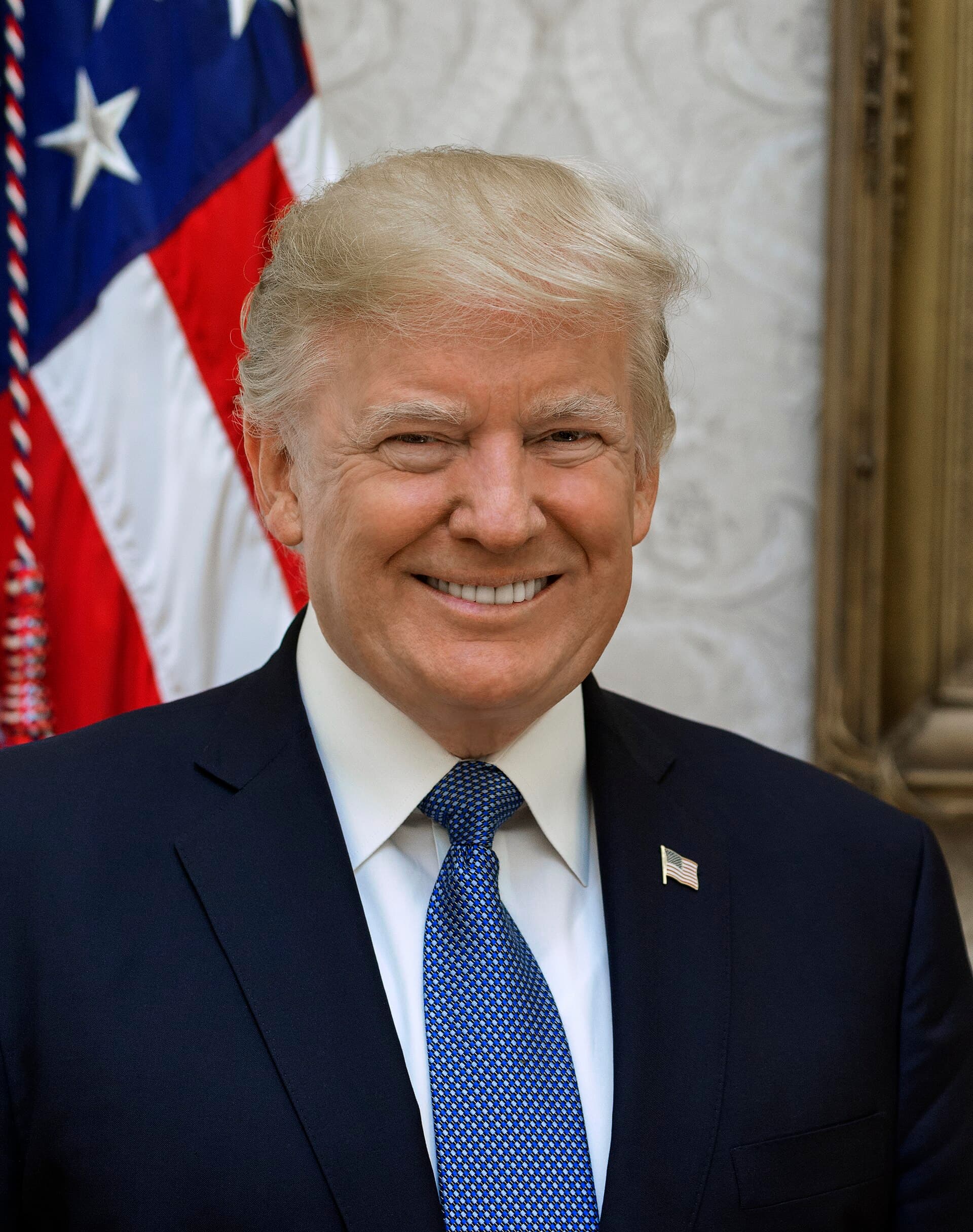
Donald Trump left China with warm words for Xi Jinping and a temporary easing of tensions, but no breakthrough on trade, no tangible help on Iran and no resolution of the Taiwan dispute. After two days of pageantry in Beijing, the summit produced stability at the margin, not a settlement of the disputes driving the rivalry between the world’s two largest economies.
The visit, Trump’s first to China since 2017, was designed to produce concrete wins as he tried to shore up sagging approval ratings before the November midterm elections. Instead, the biggest result was a promise of future diplomacy. Xi’s foreign minister, Wang Yi, said Xi would visit the United States in the fall at Trump’s invitation, a sign that both sides wanted to keep the channel open even as the hard issues stayed in place.
Behind closed doors, Xi issued his sharpest warning on Taiwan, saying mishandling the issue could spiral into conflict. Trump later said Xi opposed Taiwan’s independence and said he made no commitment either way. He also said he would decide soon on a pending arms sale to Taiwan after speaking with “the person that right now is ... running Taiwan,” a reference to President Lai Ching-te. That leaves the core question unchanged: Washington and Beijing remain at odds over Taiwan’s future, and neither leader gave ground.
The agenda in Beijing stretched across Iran, Taiwan, artificial intelligence, nuclear weapons, tariffs and critical minerals. Officials discussed extending a rare-earths truce that keeps Chinese minerals flowing to the U.S., along with forums to facilitate mutual trade and investment. Trump also said China would buy “billions of dollars” worth of soybeans and touted a sale of 200 Boeing aircraft, but Beijing did not confirm either deal. Boeing also did not immediately confirm the plane sale.
The summit’s optics were unmistakable. Goose-stepping soldiers, a friendship walk through Zhongnanhai Garden and the carefully staged warmth of the meetings offered the image of resumed order after months of friction. Xi tried to define that order as “constructive strategic stability,” a framing that Beijing wants to replace the Biden-era language of strategic competition. A Tsinghua University scholar, Da Wei, called that a meaningful shift if Washington accepts it.
For now, the substance remains limited. The trade truce is fragile but holding, tariffs remain broadly near the same elevated level, and the most consequential disputes on technology, security and geopolitical alignment were deferred rather than solved. Trump got a pause in escalation. Beijing got time, and the relationship remains managed, not mended.
This article was produced by Prism’s automated news system from verified source data, official records, and press releases, then run through automated quality and moderation checks before publishing. The system is built and supervised by the people who set the standards it runs under. Read our full AI policy.
Did this article answer your question?