Chinese AI firms push open-source models as DeepSeek reshapes the market
DeepSeek’s V4 preview underscored how China’s open-source push has become a fight over AI rules, not just model quality, with $20 billion funding talks and a widening corporate race.
DeepSeek’s latest model preview pushed China’s open-source AI campaign into a new phase, signaling that the contest is no longer just about who can build the strongest chatbot. It is about who sets the terms of the global AI ecosystem, which models developers can adopt, and how much control the biggest companies keep over the software others build on top of.
DeepSeek launched a preview of its V4 model on April 24, saying the pro version outperformed other open-source models in world-knowledge benchmarks and that a lower-cost flash version was also available. The company did not give a date for a final release. The move came just days after Moonshot AI unveiled Kimi 2.6, and it reinforced the speed of a Chinese market that is now using open-source releases as both a technical strategy and a commercial weapon.
That shift began with DeepSeek’s R1 model in January 2025, when the app briefly climbed to the top of Apple’s U.S. free-app charts and jolted assumptions about how much computing power frontier AI really needs. Analysts at the International Institute for Strategic Studies said R1 performed nearly as well as top U.S. closed models while costing far less to develop. They also argued that U.S. export controls may have pushed Chinese developers toward memory-management tricks and synthetic-data techniques instead of relying on brute-force compute.
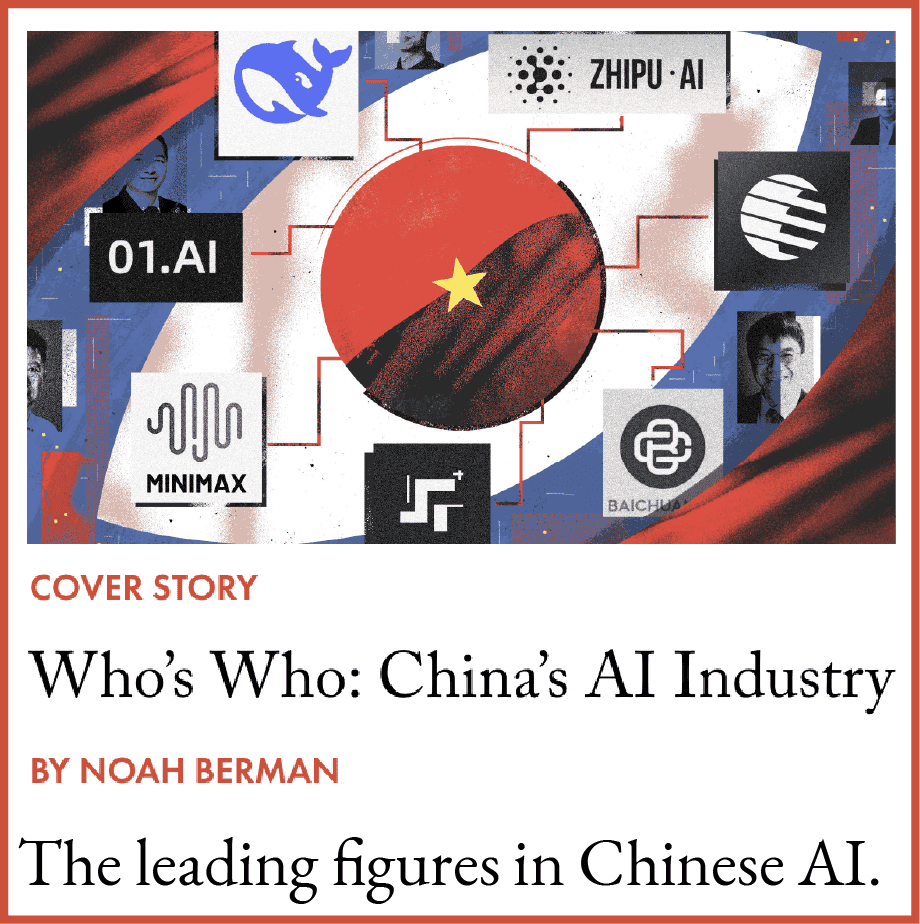
The strategy has since spread well beyond DeepSeek. Alibaba’s Qwen, Moonshot, MiniMax and Zhipu AI have all made open-source models central to their plans, even as some firms experiment with hybrid or partially closed monetization models. Alibaba chairman Joe Tsai has said open-source AI can lower costs for countries short on talent and capital, and Alibaba’s Qwen family has now accumulated nearly 1 billion downloads over the past three years.
The competitive pressure is real, even if Chinese models still lag the coding abilities of leading systems from Anthropic and OpenAI. The gap is narrowing, and DeepSeek’s rise has helped fuel a broader open-source wave inside China. The company, owned by High-Flyer Capital Management, is also seeking funding at a valuation above $20 billion, with Alibaba and Tencent said to be discussing stakes. At the same time, DeepSeek remains under scrutiny in Washington, while the White House accused China on April 23 of stealing U.S. AI labs’ intellectual property on an industrial scale.
China’s AI surge rests on more than one company. Government policy, heavy funding and a large pipeline of AI graduates have helped Chinese firms move quickly from followers to serious challengers. DeepSeek’s latest move shows that the battle now reaches beyond model rankings and into the rules that could govern AI adoption worldwide.
This article was produced by Prism’s automated news system from verified source data, official records, and press releases, then run through automated quality and moderation checks before publishing. The system is built and supervised by the people who set the standards it runs under. Read our full AI policy.
Did this article answer your question?