Chinese court rules AI job replacement is not valid firing cause
A Hangzhou court said AI replacement alone cannot justify firing Zhou, putting labor stability ahead of rapid automation.
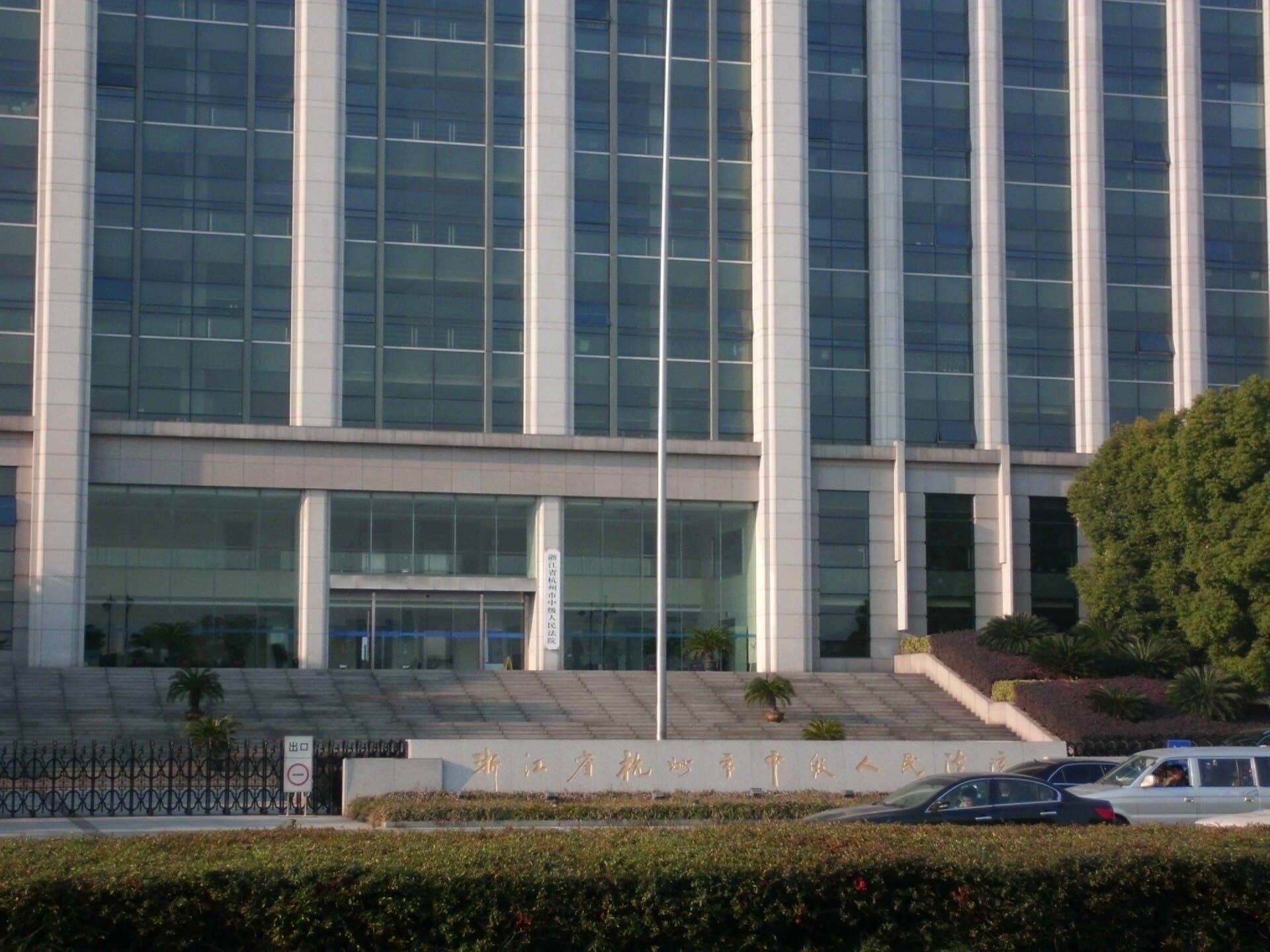
A Hangzhou court has drawn a clear legal boundary around AI-driven layoffs: replacing a worker with a large language model is not, by itself, a valid reason to fire him.
The Hangzhou Intermediate People’s Court ruled in favor of Zhou, a quality assurance supervisor who joined the company in November 2022 and earned 25,000 yuan a month. His job included matching user queries with large language models and filtering illegal or privacy-violating content. The company later shifted his work to AI systems, then offered to move him into a lower-level post at 15,000 yuan a month. After Zhou refused, the company terminated his contract and offered 311,695 yuan in compensation.

Zhou challenged that payout. An arbitration panel found the dismissal unlawful, and the dispute then moved through the district court before reaching the Hangzhou Intermediate People’s Court. In its ruling, the court said AI-driven job replacement did not amount to a “major change in the objective circumstances” under China’s Labor Contract Law, a legal category typically used for events such as relocation or mergers. The court also found the proposed pay-cut reassignment unreasonable.
The decision landed alongside a set of “typical examples of protecting the rights of AI enterprises and workers,” published ahead of International Workers’ Day on May 1. That timing matters. China is pushing hard to accelerate artificial intelligence deployment, but the court’s message was equally clear: technological upgrading does not automatically override employment protections.
The Hangzhou case was not isolated. In Beijing, the Municipal Bureau of Human Resources and Social Security included an AI-driven job-displacement dispute in its “typical arbitration cases for 2025” on December 26, 2025. That case, involving a map data collector, reportedly made the same point: AI replacement alone does not justify dismissal. Together, the rulings suggest Chinese labor authorities are building a precedent that treats automation as a management challenge, not a free pass for headcount cuts.
Lu Jingbo, a Shanghai labor lawyer and All-China Federation of Trade Unions legal expert, said the dispute reflects a structural tension between corporate survival and worker protections. That tension is now moving into the courtroom. The Ministry of Justice said in September 2025 that China had handled more than 5 million cases through its 285 arbitration commissions as of the end of August 2025, showing how large and contested the country’s labor dispute system has become.
For Beijing, the message is unmistakable. China wants AI leadership, but its courts are signaling that social stability and employment remain the deeper priority. That could shape the country’s AI rollout into something more constrained than the U.S. model, with automation filtered through labor law rather than left to market speed alone.
Know something we missed? Have a correction or additional information?
Submit a Tip