Chinese Low-Cost 3D Systems Democratize AM, Push Western Firms Toward Specialization
Chinese low-cost 3D systems are expanding access to additive manufacturing, pushing Western suppliers to specialize in certified, application-specific and service-led solutions.
A rapid rise in capable, low-cost Chinese additive manufacturing systems is lowering the barrier to entry and broadening AM adoption across workshops, small factories, and education labs. That shift creates a two-tier market: commoditized, high-volume machines for basic parts and prototyping, and a growing demand for validated, application-specific production systems that Western vendors are best positioned to serve.
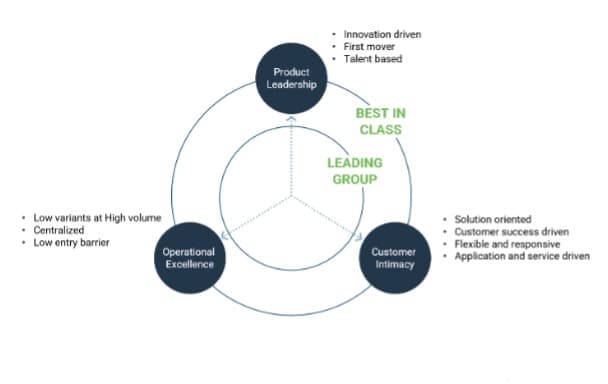
On January 19, 2026, an industry strategist and AM expert framed the competitive landscape as a choices problem for established Western suppliers. Chinese vendors are pursuing operational-excellence strategies - scaling manufacturing, optimizing costs, and pushing down prices. The result is faster diffusion of desktop and industrial-lite platforms into new user segments, increasing headcount for designers and service bureaus that will rely on AM for noncritical parts and rapid iteration.
For executives and community operators, the strategic takeaway is clear: competing on price is a losing long game. Western firms should favor differentiated value disciplines. Two paths stand out. One is customer intimacy - deep engagement with end users in regulated or performance-sensitive sectors such as aerospace, medical, and defense. The other is product leadership through end-to-end, application-specific, certified solutions that include validated processes, materials, software, and after-sales support.
Tactical priorities follow directly. Invest in validated processes and materials that carry the documentation needed for certification and audits. Build integrated workflows that link machine controls, in-line sensing, traceable materials, and process control records so parts are producible repeatably at scale. Lean into service and support - training, on-site qualification, rapid spares logistics, and managed-print services - because value migrates from the hardware into the lifecycle and risk management of printed parts.

For community players - makerspaces, universities, and local bureaus - the democratization of AM means cheaper access to machines for experimentation and learning. Use low-cost systems for DfAM exploration, fixtures, jigs, and noncritical production while reserving validated machines and certified materials for regulated or revenue-critical parts. Service bureaus can capture margin by offering qualification packages, batch traceability, and post-processing that low-cost vendors do not provide.
The market effect is not zero-sum. Lower-priced systems will expand the AM user base, creating more designers and procurement channels that will ultimately demand higher-end, application-specific solutions. Western suppliers that accept the role of specialist - proving processes, owning certifications, and selling outcomes rather than just printers - will find expanding opportunities even as the price-sensitive tier commoditizes.
Expect more entries at the low end and a clearer divide between hobbyist-prototyping ecosystems and regulated production workflows. For operators and vendors alike, map where your value sits - on scale and cost, or on certification and service - and invest accordingly.
Sources:
Know something we missed? Have a correction or additional information?
Submit a Tip